
“How to Turn Important Lessons Into Playful Learning for Kids” is a collaborative post.
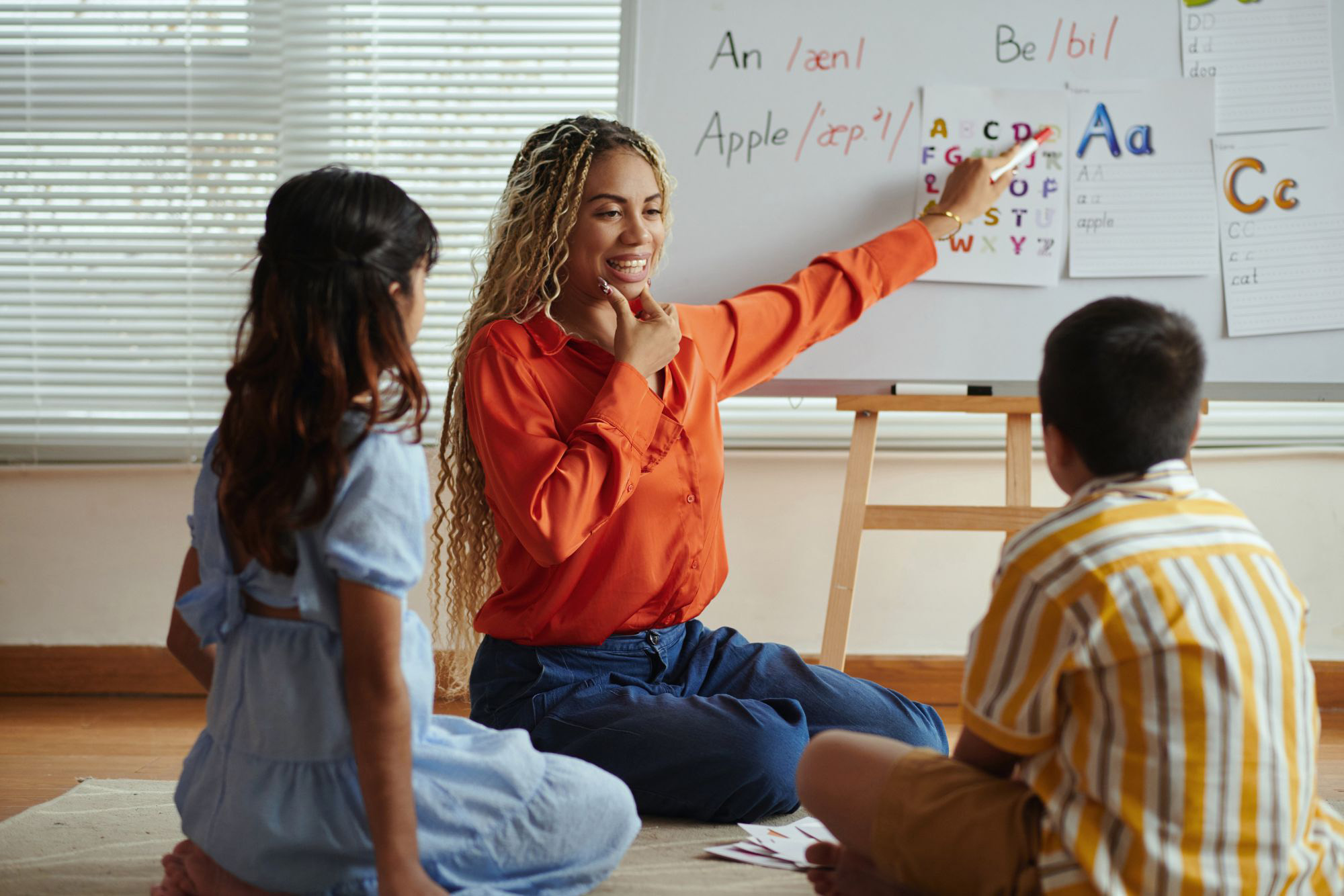
Kids learn best when they think they’re playing. Turn everyday ideas, such as honesty, money sense, how communities work, into mini-adventures and they’ll soak up the lesson without you having to nag. Below are practical, low-stress ways to reshape serious lessons into games, stories, and hands-on experiments that you can use at home, in the car, or at the park.
Storytelling Makes Lessons Stick
Start with a short story or scene. Young kids love characters. Make the lesson center on a pair of curious kids (or stuffed animals) who face a small problem: maybe their lemonade stand needs a plan, or someone cut in line. Let the characters brainstorm, mess up, and try again. Short, lively stories keep attention and make abstract ideas concrete.
Some companies, such as the Tuttle Twins, offer ready-made character-driven books that introduce ideas about markets, responsibility, and civic life. Their books, workbooks, and parent guides use simple stories and bright art to explain these concepts to kids.
Role-Play Builds Real Understanding
Act Out Scenarios
After a short story, invite kids to re-enact the scene. Give them roles and let them decide what to do. If the story was about sharing tools at a community garden, let one child play the gardener and another play a neighbor who wants to borrow a rake.
Role-play helps kids understand other viewpoints and see consequences without real-world fallout. Keep scenes short — five minutes of focused acting beats a long lecture.
Chores as Quests
Replace “clean your room” with “find the lost treasure.” Make a map or checklist and offer small rewards like stickers for hitting milestones. Quests teach planning, follow-through, and delayed gratification.
Add a tiny “leaderboard” for the family whiteboard where each child adds stars for completed tasks. Over time, kids build pride in finishing things without feeling pressured.
Money Lessons Through Play
Try the Jar Experiment
Kids love cause-and-effect. If the lesson is about saving money, set up a jar experiment: one jar for spending, one for saving, one for giving. Give kids a small sum each week and let them split it across jars. Track progress with stickers and weekly check-ins.
Over a few months, the visual growth in the savings jar becomes a powerful, playful lesson about patience and goals.
Use Cards to Spark Thought
Make a deck of “What would you do?” cards. Each card has a short scenario:
“You found a neighbor’s toy on the playground. What do you do?”
Let kids pick a card, answer, and then discuss. This turns moral reasoning into a game and gives you a chance to praise thoughtful answers and gently correct risky ones. Older kids can write new cards and add them to the deck, which teaches them to think about ethical situations themselves.
Puzzles and Building as Everyday Teachers
When a child builds a tower and it collapses, talk about planning and testing ideas. When the child rebuilds with a wider base, point out how small changes improve results.
These low-key chats teach iteration: fail, learn, try again. That lesson applies to schoolwork, friendships, and small projects.
Turn Errands Into Mini-Lessons
Learning on the Go
Grocery shopping becomes a chance to teach comparison and budgeting. Give kids a small list and a budget. Let them choose between brands, weigh produce, and decide how much to buy. Ask simple questions:
“Which apple costs less per pound?” or “How many fit in our budget?”
These quick math moments build confidence and practical money sense.
The Question Jar Trick
Create a “question jar.” When kids ask “Why?” toss their question onto a slip and drop it in the jar. Pick one every evening for a family mini-research session.
Keep answers short and fun: make a tiny poster, draw a diagram, or act the answer out. This turns curiosity into a ritual and helps children see that learning is ongoing and playful.
Tech That Encourages Hands-On Fun
Kids often respond well to short, interactive videos or apps that teach basics like money, civics, or science. Pick one short video as a kickoff, then follow with a hands-on activity that mirrors what they saw. That mix anchors the idea and keeps screen time purposeful.
Let Kids Teach You
After they learn a concept, let them explain it to you or to a sibling. Teaching forces kids to organize thoughts and spot gaps.
For a simple project, ask them to teach you how to set up the jar system or how to decide between two toy choices. Offer praise for clear explanations and ask one or two friendly follow-up questions to deepen their thinking.
Weave Learning Into Art and Craft
If the topic is responsibility, give kids a large paper house and have them glue their favorite chores into each room. If the topic is community, draw a town map and place stores, schools, and parks.
These visual projects help kids relate roles to places and people, and they make abstract systems feel real.
Keep It Simple and Visual
Use short phrases, metaphors that match their experience, and props. A “budget jar” is more memorable than “household finance.”
Props help memory: a sticker chart, toy cash register, or map will anchor the idea far better than a long talk.
Celebrate Progress with Small Rituals
When a child hits a saving goal, have a mini celebration: a favorite snack, a song, or a five-minute dance party. These rituals mark learning moments and make the work feel rewarding.
Match Lessons to Age and Personality
Preschoolers need single-step activities with lots of praise. Early elementary kids can handle experiments, role-play, and simple chores. Older kids can do budgeting, design their own projects, and lead family mini-lessons.
Let each child set the pace; small wins keep momentum.
Turn Mistakes Into Teachable Moments
When you slip up—forget a promise or make a budgeting error—use it as a learning tool. Admit the mistake briefly, talk about what you’ll try next time, and invite ideas.
End Each Week with Reflection
Once a week, ask two short questions:
“What did you learn?” and “What was fun?”
Keep answers short and upbeat. This wrap-up solidifies learning while keeping the mood light.
Final Thoughts
Playful learning doesn’t require fancy tools or expensive kits. It needs time, imagination, and a few props. Use stories, role-play, hands-on experiments, and small rituals to make important lessons stick.
Keep activities short, let kids lead when possible, and celebrate small wins. Over time, your child will pick up not just facts but real-life skills—decision-making, responsibility, empathy, and curiosity.
If you want one more tool, grab a short, character-led story or activity guide to jumpstart your first lesson. Small, ready-made resources can give you a structure you’ll reuse again and again.






Comments are closed.