
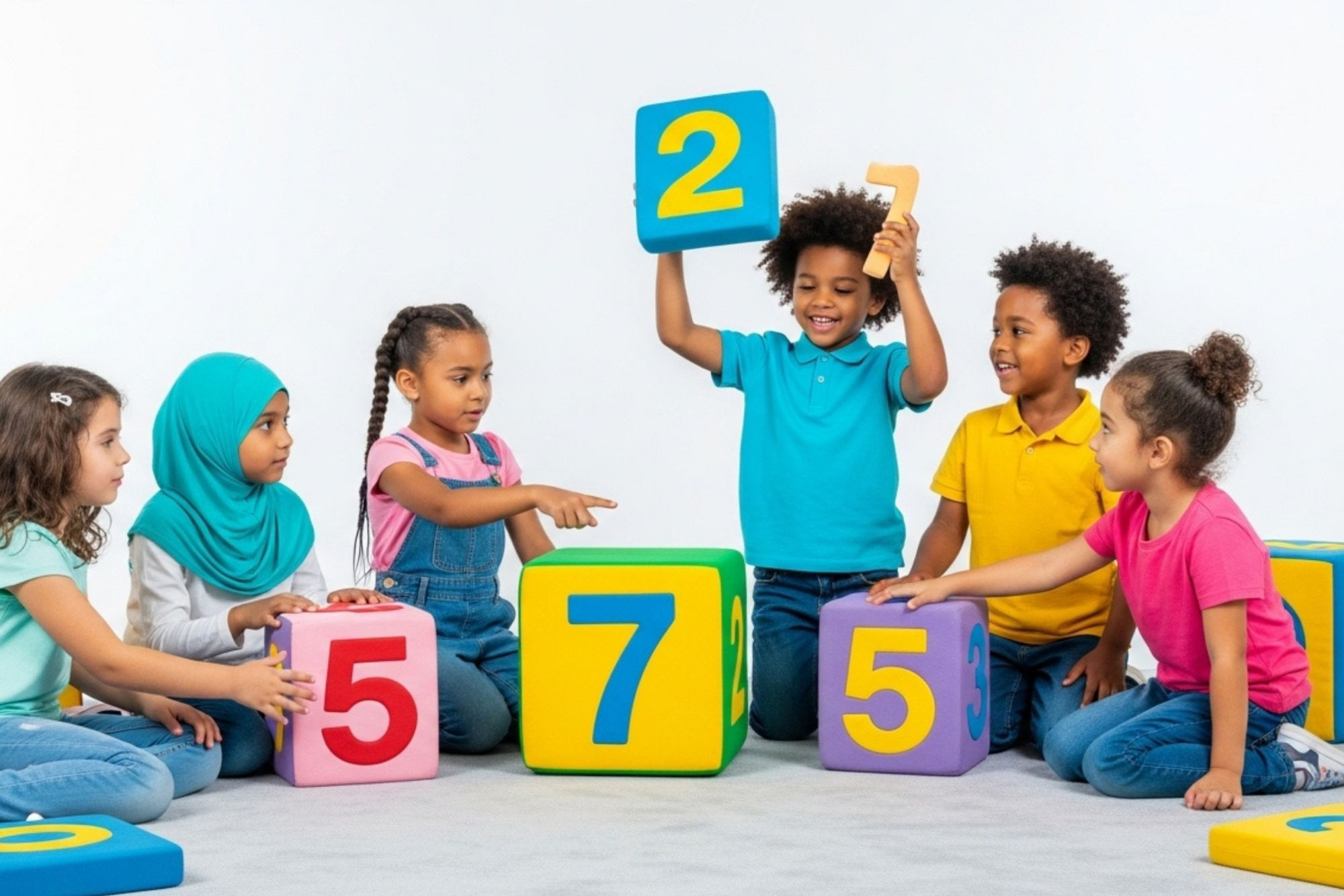
“The Benefits of Practical Life Activities in Paramus, NJ Preschools” is a collaborative post.
Suppose a three-year-old in a sunny Paramus classroom. She pours water from a small pitcher into a cup. No spills. Her face lights up with pride. She buttons her coat all by herself before heading out to play. Moments like these happen every day in local preschools that embrace Practical Life Activities.
These activities come from the Montessori method. They let kids handle real tasks like cleaning, dressing, and serving food. In Paramus, families want more than just playtime for their young ones. They seek growth that lasts. Practical Life Activities fit right in. They build skills for life.
This approach matters for kids in our area. Paramus preschools use these tasks to help children gain control. They sharpen focus, boost hand skills, and spark true independence. Mastering them sets the stage for strong school success later on.
The Core Philosophy: Why Practical Life Matters Now
Kids thrive on real work. It gives them purpose. In traditional preschools, play often feels random. Practical Life Activities change that. They offer clear goals that match a child’s drive to learn.
Think about how children watch adults. They want to join in. These activities let them do just that. In safe ways. They calm the mind and build steady habits.
Connecting Purposeful Work to Brain Development
Repetition in these tasks shapes young brains. Kids pour water again and again. Each time, connections form in their neural paths. Studies show this boosts thinking skills early on.
One report from child experts links hands-on movement to better memory. In Paramus preschools, this means kids handle tools with care. It sparks curiosity and cuts down on idle time. Brains grow stronger through such steady practice.
Parents notice the shift. Fidgety toddlers settle into tasks. This purposeful play wires the mind for focus and calm.
The Importance of the Prepared Environment in Paramus Classrooms
Preschool in Paramus, NJ are set up just right for little hands. Child-sized tables sit low. Tools like brooms and pitchers reach easy. Everything has its spot. This order draws kids in.
A tidy space cuts chaos. Kids pick what calls to them. No need to fight for toys. Behavioral ups and downs drop when children feel in charge. Paramus families love this setup. It mirrors home life but builds skills.
Teachers watch and guide softly. The room itself teaches respect for order. Kids learn to care for their world.
Fostering Concentration and Attention Span
The cycle of concentration starts small. A child picks a task. They dive in fully. No distractions pull them away. Tasks like polishing a spoon or sweeping crumbs demand this focus.
Take detailed sweeping. Kids line up beads or sort leaves. Minutes stretch into deep work. This builds attention that lasts beyond preschool.
In Paramus, such routines help kids tune out noise. They gain the quiet strength to stick with hard things. Parents see it at home too. Bedtime stories hold attention longer.
Building Foundational Motor Skills Through Daily Routines
Daily chores build strong bodies. Little hands grow steady. Parents in Paramus worry about kindergarten prep. These activities ease that fear. They ready kids for pencils and pages.
Hands and arms work together. Balance comes from moving with care. It’s all part of the fun.
Refining Fine Motor Control for Writing Readiness
Scooping beans sharpens the pincer grip. Pouring milk strengthens finger control. Using tongs to move objects builds wrist power. These moves prepare hands for writing.
Local studies tie fine skills to reading gains. Kids who master them grasp letters faster. In Paramus preschools, this shows in eager drawers and cutters.
- Pour liquids without mess.
- Transfer seeds one by one.
- Button frames for practice.
Such steps make abstract tasks feel real. Hands learn to lead the way.
Developing Gross Motor Skills and Coordination
Carry a tray across the room. It teaches steady steps. Kneel to wipe a table low. This works big muscles and balance.
Moving mats for work spots aids spatial sense. Kids judge distance and height. In group play, this cuts bumps and tumbles.
Paramus playgrounds benefit too. Coordinated kids climb and run with ease. Whole-body tasks link mind and motion.
Mastering Self-Dressing and Care: The Path to Autonomy
Dressing frames snap and zip. Kids practice laces on models. Soon, they handle real clothes alone.
This cuts pleas for help at home. Caregivers smile at the change. Bath time or shoe tying becomes kid-led.
In Paramus winters, coat skills shine. Zipped up and ready, children step out bold. Independence blooms from these small wins.
Cultivating Executive Functions and Cognitive Growth
Minds sharpen through choices. Tasks demand planning and fixes. Parents eye this for school ahead. Practical Life Activities deliver mental tools early.
It’s not rote learning. It’s real-life puzzles that stick.
Sequencing and Following Multi-Step Directions
Set a table right. First, fold napkins. Then place forks. Last, add cups. This order mirrors bigger challenges.
Snack prep follows steps too. Wash fruit. Cut if needed. Serve neat. Kids grasp cause and effect.
Such routines build problem-solving roots. In Paramus classes, this preps for math and stories.
Developing Problem-Solving and Critical Thinking
Spills happen. A dropped spoon clatters. Kids ask, “What now?” They mop up or fetch another.
Safe slips teach quick thinks. No fear of blame. Just growth from try and adjust.
Teachers nudge with questions. This sparks ideas. Paramus kids learn to trust their fixes.
Introduction to Early Math Concepts Naturally
Pouring shows volume. More in the cup means full. Transferring nuts counts pairs.
Sorting buttons by size hints at patterns. No worksheets needed. Play reveals numbers.
This natural math fits Paramus play. Kids grasp basics through touch. It lasts deeper than drills.
Actionable Steps: Integrating Practical Life at Home
Bring school lessons home. Paramus parents can join in. Simple tweaks make big changes.
Start easy. Let kids lead. Watch growth unfold.
Start Small: Age-Appropriate Chores with Real Tools
For two- to three-year-olds:
- Wipe up spills with a cloth.
- Match clean socks by color.
For four- to five-year-olds:
- Peel carrots for dinner.
- Sweep dust from a corner.
Use kid tools. Real ones build pride. Safety first, always.
Establish Predictable “Work Time” Routines
Pick 15 minutes each day. Let your child choose a task. Step away unless asked.
This mirrors class calm. Focus builds without rush. Evenings work well after play.
Stick to it. Kids crave the steady beat.
Conclusion: The Lasting Impact of Early Competence
Practical Life Activities go beyond busy hands. They lay groundwork for school wins and steady hearts.
Physical skills grow strong. Minds sharpen sharp. Social ties bind tight. This triple gift shapes whole kids.
Invest now in Paramus preschools. Watch your child face life with sure steps. Confidence starts here. It carries far. Ready to explore local options? Check out Montessori spots nearby today.





Comments are closed.