
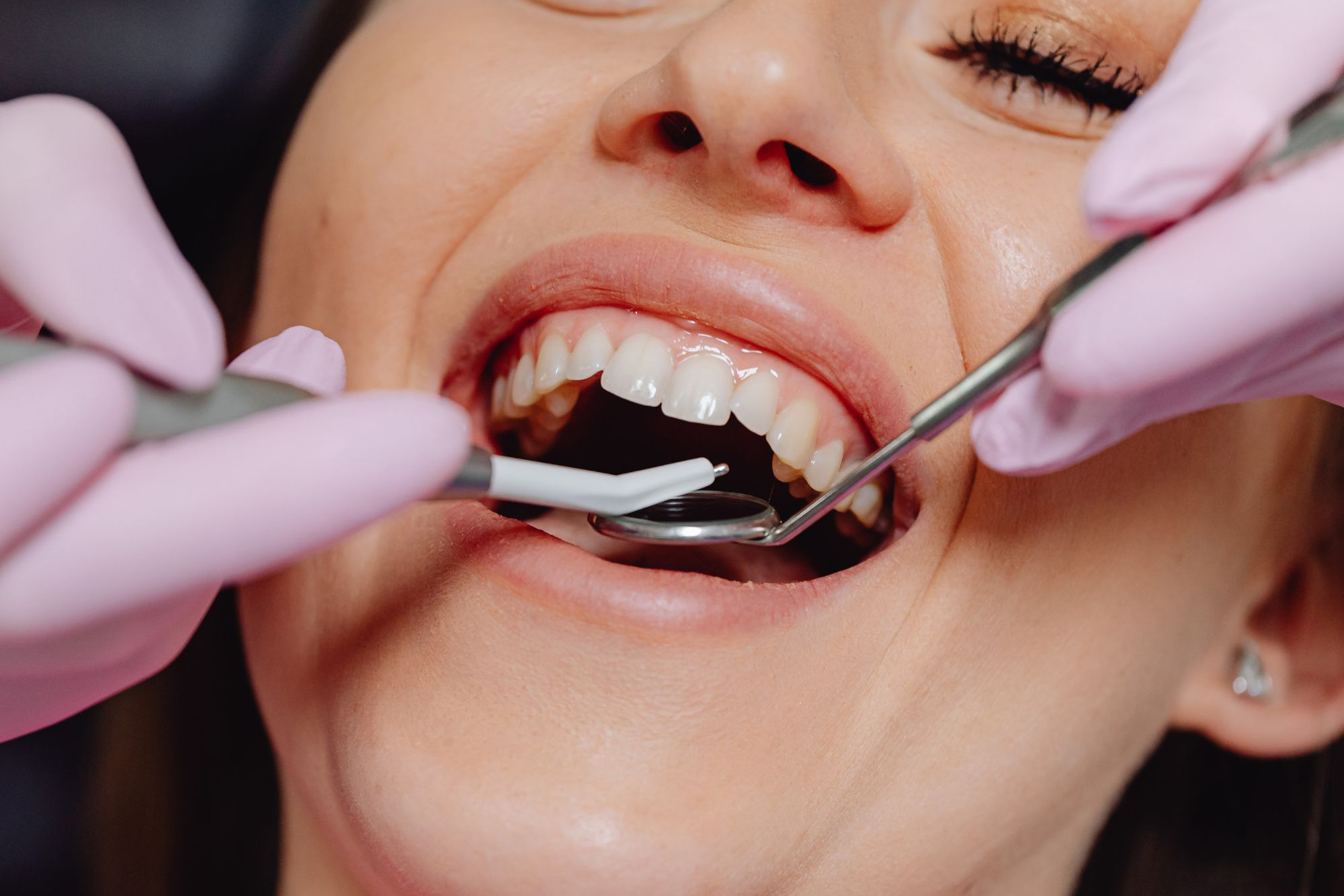
“Dental Implants: A Complete Guide” is a collaborative post.
Introduction
Losing teeth can impact your smile, self-confidence, and the way you chew food. Dental implants offer a modern and trustworthy solution for replacing missing teeth. They restore both appearance and function while supporting oral health. If you are considering this treatment, searching for dental implants near me can help you find a qualified provider. This guide explains what dental implants are, how the procedure works, the costs, benefits, and what to expect before and after treatment.
What Are Dental Implants?
A dental implant is an artificial tooth root that is placed into the jawbone to support a replacement tooth, crown, or bridge. Unlike dentures, which can be removed, dental implants are fixed in place and function like natural teeth. They are made from biocompatible materials, usually titanium, which allows the implant to fuse with the jawbone over time. This process, known as osseointegration, helps the implant become strong and durable over time.
Dental implants can replace a single tooth, multiple teeth, or support a full set of teeth. They are suitable for most adults with healthy gums and sufficient jawbone density. A dentist will assess your oral health and take X-rays to determine whether implants are a good option.
Who Can Get Dental Implants?
Most adults who are missing teeth and have healthy gums can receive dental implants. However, certain conditions may affect eligibility. People with severe gum disease, uncontrolled diabetes, or significant bone loss may need additional treatment before getting implants. Smokers are advised to quit before the procedure, as smoking can slow healing and affect success.
A consultation with a dentist is necessary to discuss your medical history, oral health, and the number of implants needed. This ensures the treatment is safe, effective, and tailored to your needs.
The Dental Implant Procedure
The dental implant process usually takes several months and involves multiple steps:
Step 1: Consultation and Planning
The procedure starts with a consultation with your dentist. During this visit, your oral health is examined, X-rays are taken, and a treatment plan is created. The dentist explains the procedure, expected results, and any additional treatments that may be required, such as bone grafting.
Step 2: Implant Placement
During the surgical procedure, the dentist places the implant into the jawbone under local anaesthesia. The implant serves as a replacement tooth root and gradually fuses with the jawbone, forming a solid foundation for the new tooth.
Step 3: Healing and Osseointegration
After the implant is placed, it requires a healing period that can last from several weeks to a few months. During this time, a process called osseointegration occurs, in which the implant gradually fuses with the surrounding jawbone. This integration is crucial because it provides a strong and stable foundation for the replacement tooth or crown. Careful healing during this period guarantees the implant’s long-term success, strength, and ability to function like a natural tooth.
Step 4: Abutment Placement
Once the implant has fully fused with the jawbone, an abutment is carefully attached. This small connector serves as the link between the implant and the replacement tooth or crown, providing a stable base for the final restoration. In some cases, the abutment may be placed during the initial surgery, depending on the treatment plan and the patient’s specific needs. This step is essential to ensure that the crown fits securely and functions properly, supporting both appearance and oral health.
Step 5: Crown Placement
Finally, a custom-made crown is carefully attached to the abutment. The crown is designed to match the colour, shape, and size of your natural teeth, blending seamlessly with the rest of your smile. This not only ensures a natural and attractive appearance but also restores full function, allowing you to chew comfortably, speak clearly, and smile with confidence in everyday life.
Costs of Dental Implants
The price of dental implants can vary depending on factors such as the location, how many teeth need replacing, the type of implant, and any additional procedures required. Many dental insurance plans cover part of the procedure, but coverage varies. Some dentists also offer payment plans to make the treatment more affordable. Discussing all costs upfront during the consultation is important.
Although dental implants can be more expensive than dentures or bridges, their durability and natural appearance often make them a worthwhile investment.
Benefits of Dental Implants
Dental implants provide several benefits compared to other tooth replacement options:
- Natural Appearance: Implants resemble natural teeth in both appearance and feel.
- Durability: With proper care, implants can last for many years, often a lifetime.
- Improved Function: Implants restore chewing and speaking ability.
- Bone Health: Implants support jawbone strength and help prevent bone deterioration.
- No Impact on Adjacent Teeth: Unlike dental bridges, implants do not need any modification of the surrounding teeth.
These benefits make dental implants a preferred choice for restoring missing teeth.
Caring for Dental Implants
Proper care is essential to ensure the longevity of dental implants. Brush your teeth twice daily, floss every day, and schedule regular dental check-ups. Avoid using your teeth to open packages or chew hard objects, as this can damage the implant or crown. Store any removable components safely, if applicable. Following these steps helps maintain oral health and keeps the implant functioning well for many years.
Some patients may experience mild swelling, bruising, or discomfort after the procedure. This is normal and typically disappears within a few days. Following the dentist’s instructions during the recovery period is important for successful healing.
Conclusion
Dental implants are a reliable, long-lasting solution for missing teeth. They restore natural appearance, improve function, and support oral health by maintaining jawbone density. The process requires careful planning, several steps, and an investment of time and money, but the results are usually worth it. By consulting a qualified dentist, understanding the procedure, and following proper care instructions, patients can enjoy a stable, healthy, and attractive smile for many years.






Comments are closed.