
“Best Facial Toners for Balanced, Refreshed Skin in 2026” is a collaborative post.
Right after cleansing, many people see their skin swing from tight and squeaky to shiny and greasy within hours, and they wonder if a toner could be the missing step. This page walks the reader through what modern facial toners actually do in 2026, how they help balance and refresh the skin, and how to pick the right one for real, everyday routines.
Best Facial Toners for Balanced, Refreshed Skin in 2026 – Rodan + Fields
Why facial toners matter in 2026
Old‑school toners were often harsh, alcohol‑heavy liquids meant to “degrease” the face after washing, but newer formulas focus on supporting the skin barrier and natural microbiome. Modern face toners help remove leftover impurities, bring the skin’s pH back toward its natural slightly acidic range (around 4.7–5.5), and prep the surface so serums and moisturizers spread and absorb more evenly.
Recent cosmetic research notes that toners made with mild acids, humectants, and botanical extracts can refine texture, reduce the look of enlarged pores, and help skin feel smoother and more hydrated instead of tight. This is why many dermatology‑inspired routines keep toner as a key second step after cleansing.
- pH balance: Cleansing can temporarily make the skin more alkaline, and toners help restore a healthy acidic pH that supports barrier function and resilience.
- Residual clean‑up: Toners remove traces of makeup, dirt, and cleanser that may stay behind after washing, leaving less residue that could clog pores.
- Better absorption: By lightly hydrating and refining the surface, toners can help active ingredients in serums and treatments spread more evenly and work more predictably.
The science behind balanced, refreshed skin
Balanced skin is not about “zero oil” or a rigid matte finish. It is about a calm barrier, steady pH, and a microbiome that is not constantly disrupted by harsh products. Skin pH that sits near the naturally acidic range helps keep harmful bacteria down and supports enzymes that maintain smooth texture.
A 2024 review on facial toners highlights three core functions: restoring pH, removing residual oil and dirt, and reducing the appearance of pores for a more refined complexion. Another 2024 pilot study on toners and the face microbiota describes toners as formulas that remove impurities, balance pH, and prepare the skin for later steps while helping to restore moisture.
When a toner hits this sweet spot, skin can feel calm and refreshed instead of stripped, and the rest of the routine tends to “sit” better throughout the day.
Types of facial toners for 2026 routines
Different skin types need different kinds of balance. The main toner categories in 2026 revolve around hydration level, exfoliating strength, and soothing potential.
Hydrating and barrier-support toners
Hydrating toners are lightweight liquids or essences packed with humectants like glycerin or hyaluronic acid, plus soothing plant extracts. They target dryness, tightness after cleansing, and early fine lines linked to dehydration rather than deep wrinkles.
- Ideal for: Normal, dry, dehydrated, and mature skin.
- Benefits: Plumps the surface with water, softens rough patches, and makes the face feel comfortable without heavy cream.
- Common ingredients: Mild acids (like lactic or citric) in low levels, hyaluronic acid, aloe, and calming botanical complexes.
Exfoliating and clarifying toners
Exfoliating toners use gentle acids at low percentages to loosen dead cells, smooth texture, and help unclog the look of pores. When chosen carefully, these toners help oily or combination skin look more even and less dull.
- Ideal for: Oily, combination, and congestion‑prone skin that tolerates mild acids.
- Benefits: Smoother texture, faded appearance of post‑blemish marks over time, and a more refined surface.
- Common ingredients: Mild alpha hydroxy acids, beta hydroxy acids in low percentages, and soothing agents to buffer potential irritation.
Soothing and microbiome-friendly toners
Soothing toners aim to calm visible redness, irritation, or reactivity with anti‑inflammatory and antioxidant ingredients. A 2024 study on a novel witch hazel formula, for example, shows anti‑inflammatory and antioxidant effects along with signs of improved barrier function.
- Ideal for: Reactive, redness‑prone, or barrier‑compromised skin.
- Benefits: Less visible redness over time, improved comfort, and better tolerance to other steps in the routine.
- Common ingredients: Witch hazel in modern, carefully formulated versions, botanical antioxidants, and soothing actives tailored for sensitive skin.
How to pick the best toner by skin type
The best facial toner in 2026 depends on how the person’s skin behaves right after cleansing and a few hours later. A simple way to choose is to match the formula with the most frequent concerns.
For oily or combination skin
Readers with a shiny T‑zone, enlarged pores, or frequent breakouts often do well with a balancing toner that combines light hydration with controlled exfoliation.
- Look for: Mild acids in low strengths, non‑comedogenic humectants, and soothing agents to reduce potential sting.
- Avoid: Strong alcohol content, overly fragrant formulas, or aggressive multi‑acid blends used twice a day.
- Routine tip: Use an exfoliating toner at night and a hydrating toner in the morning to keep both clarity and comfort.
For dry or dehydrated skin
Dry or dehydrated skin often feels tight right after cleansing and shows fine “dehydration lines” rather than deep folds. A hydrating toner that layers well under creams can make a big difference.
- Look for: Multiple humectants (like glycerin and hyaluronic acid), amino acids, and soothing plant extracts.
- Avoid: Harsh astringents, fragrance‑heavy formulas, and daily high‑strength acids that can chip away at the barrier.
- Routine tip: Press the toner into slightly damp skin, then follow quickly with serum and moisturizer to “trap” the water.
For sensitive or redness-prone skin
Sensitive or redness‑prone skin often reacts to fragrance, high alcohol, or strong acids with sting, flushing, or bumps. Here, soothing, microbiome‑respectful toners usually work better than anything harsh.
- Look for: Short, simple ingredient lists, calming botanicals, and humectants without potential irritant residues.
- Avoid: Strong alcohol, heavy fragrance, and multiple exfoliating acids in one formula.
- Routine tip: Patch test on a small area first and introduce new toners just a few nights per week before daily use.
How to use facial toner for best daily results
Even the best formula falls flat when it is used randomly. A simple, repeatable routine keeps things easy and helps the person notice real changes over time.
Daily routine order
Most people see good results when they keep toner as the second step, right after cleansing and before any treatment products.
- Cleanse with a gentle facial cleanser suited to skin type.
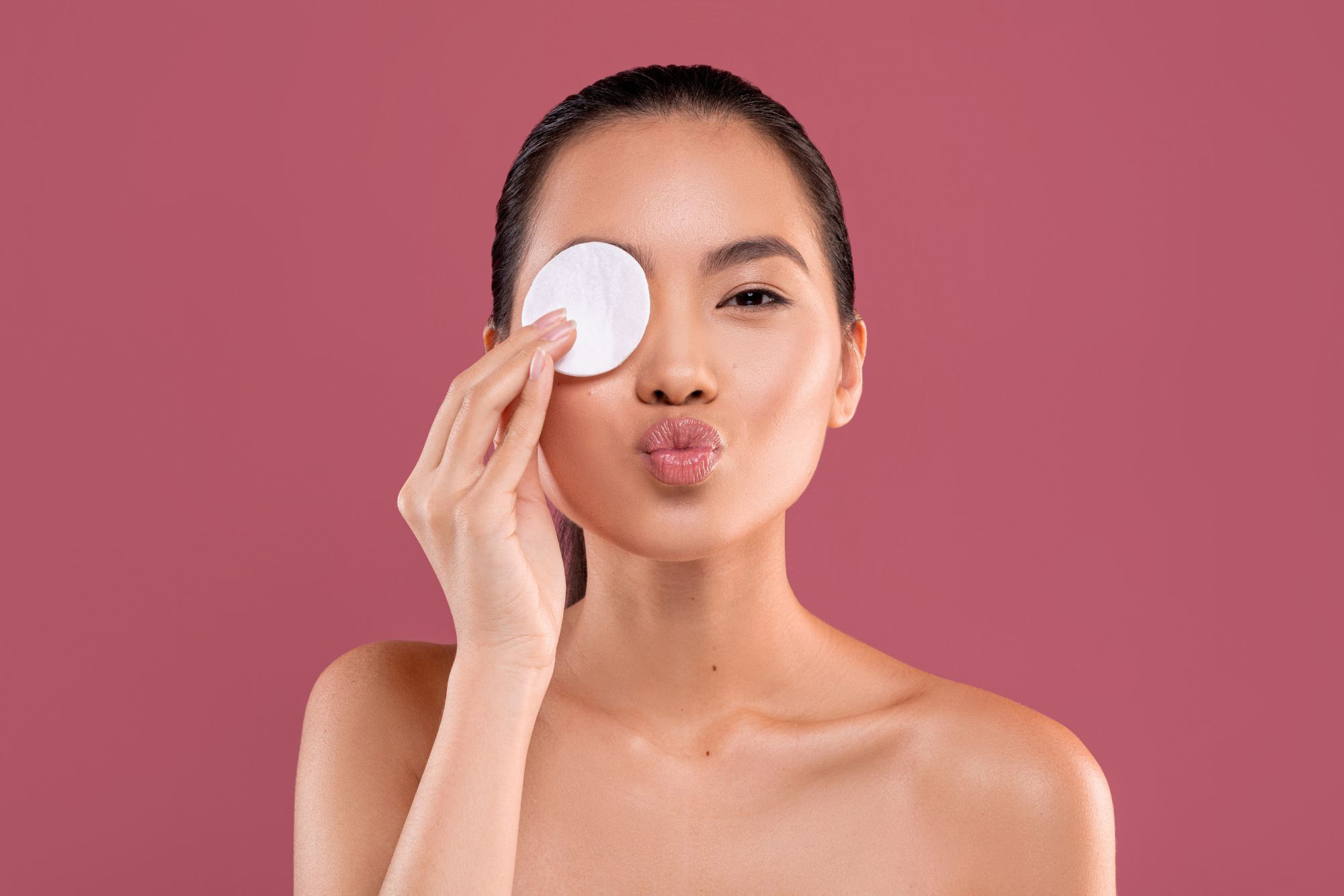
- Apply toner on slightly damp skin using clean hands or a cotton pad.
- Follow with serum tailored to the main concern (hydration, brightening, or anti‑aging).
- Seal with moisturizer, then use sunscreen in the morning.
Frequency and layering tips
- Hydrating toners: Usually safe to use morning and night, especially in dry climates or heated indoor air.
- Exfoliating toners: Often better a few nights per week instead of daily, especially for sensitive skin, to avoid barrier damage.
- Soothing toners: Helpful after sun exposure, cold wind, or any event that leaves the skin feeling stressed.
Balanced, refreshed skin tends to come from this kind of steady routine—small, repeatable steps that support the barrier rather than dramatic “overhauls” made once in a while.
2025 news and trends about facial toners
Recent 2024–2025 market and research updates show that facial toners are evolving quickly. Global reports estimate that the skin toner market, valued near USD 744 million in 2023, could grow to over USD 1.08 billion by 2030, with annual growth around 5–6% backed by multi‑step routines and “skinimalism” trends.
On the science side, newer work on witch hazel formulas highlights anti‑inflammatory and antioxidant benefits along with barrier support, while studies of toners and the skin microbiome point to formulas that clean and balance pH without disrupting helpful microbes. Many 2025 forecasts also predict continued growth in hydrating, organic, and multi‑functional toners, as consumers look for products that hydrate, refine, and support barrier health in a single, easy step.






Comments are closed.