
“The Growth of Dental Tourism and the Hidden Risks Behind Low-Cost Care” is a collaborative post.
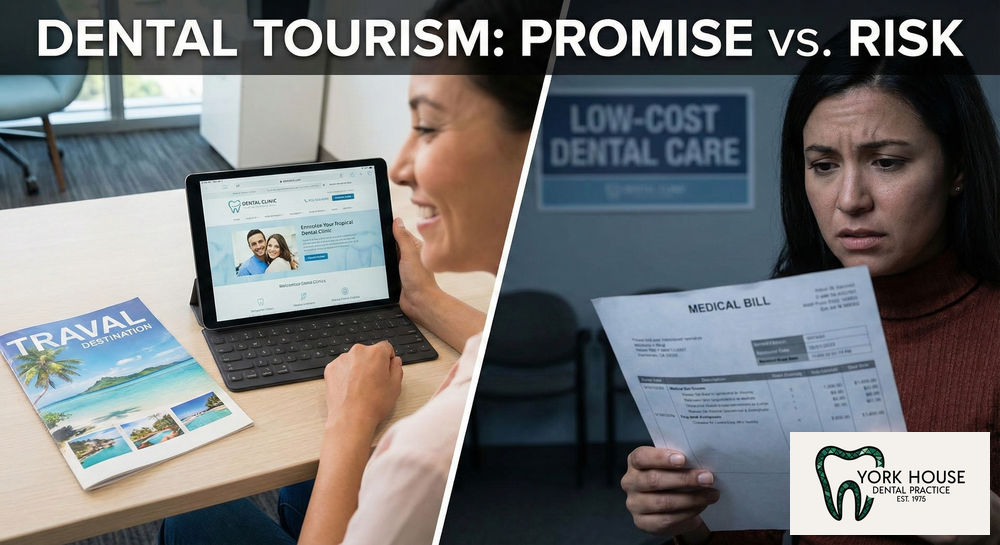
In recent years, international dental tourism has grown significantly as patients increasingly seek lower-cost dental solutions outside their home countries. This trend—driven by rising domestic treatment costs, limited access to prompt care, and extensive online marketing—has positioned overseas dental services as an attractive alternative. However, while enticing price tags may catch a patient’s eye, many fail to fully understand the broader implications, from regulatory gaps to long-term oral health challenges.
Rising Demand for Affordable Dental Services
The appeal of dental tourism stems primarily from cost savings. Patients often compare steep domestic fees with lower quotes from destinations abroad and conclude that international travel could be a cost-effective option—even after factoring in flights and accommodation. Many clinics advertise comprehensive packages that bundle dental work with travel logistics, creating the impression of convenience and value.

However, this comparison can be misleading. In some cases, the initial savings quickly dissipate when follow-up visits, corrective procedures, or complications arise once the patient returns home. For example, poorly executed restorative work may necessitate additional interventions that cost significantly more than if treatment had been undertaken locally by a qualified Premium Dentist in West Byfleet.
Quality and Safety Concerns
A major issue with overseas dental procedures is the variability in clinical standards. Regulatory oversight, licensing requirements, and hygiene practices differ widely between countries. In regions where regulations are less stringent, patients risk receiving care that might not meet the safety, sterilization, and training standards typical of a local practice — whether it involves basic restorations or advanced treatments like Invisalign. Additionally, the quality of clinical equipment can vary significantly; reliable dental practices invest in proper infrastructure, including essential tools such as an air compressor for powering dental instruments, ensuring consistent performance and patient safety.
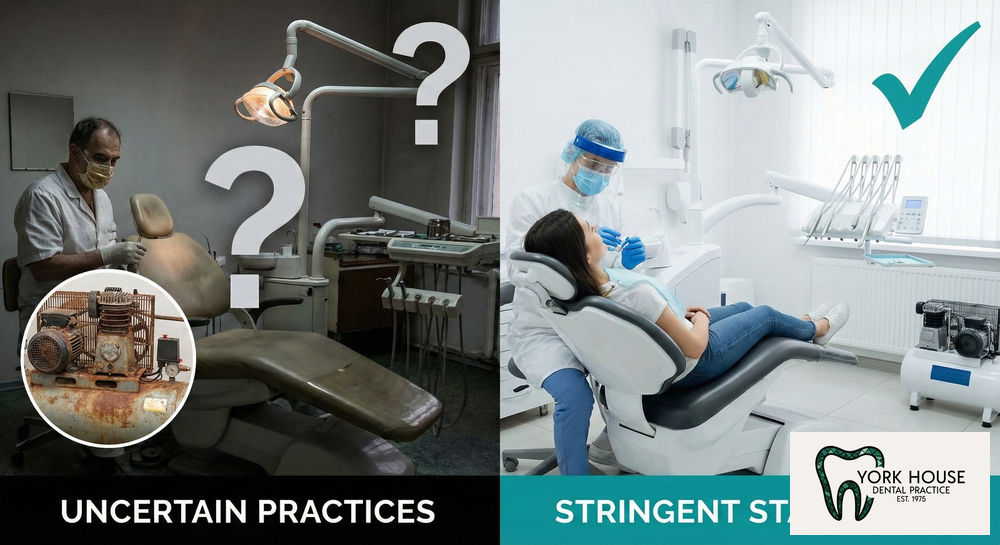
Additionally, the absence of rigorous credential verification means that patients may not always be fully informed about the training, qualifications, or experience of the practitioner performing the work. Without proper safeguards, the risk of complications such as infection, poorly fitted crowns or implants, and inadequate prosthetics increases.
Follow-Up Care Challenges
One of the often-overlooked aspects of dental tourism is postoperative care. Once patients return home, continuing care for complications can become complex and costly. Follow-up treatments, adjustments, or emergency interventions are difficult to coordinate at a distance, and many domestic dentists are reluctant to take responsibility for work performed abroad. In contrast, establishing treatment plans with a local dentist—such as an Invisalign West Byfleet specialist—ensures continuity of care, easier communication, and comprehensive post-treatment support.
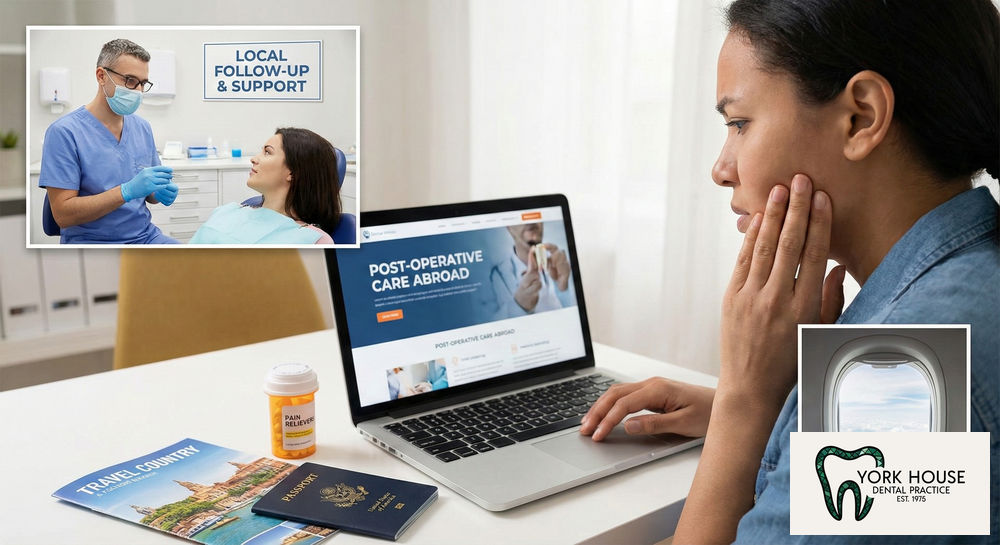
Even travel itself can introduce risks: air travel soon after certain dental procedures may contribute to discomfort or conditions such as barodontalgia (tooth pain during flight) and barotrauma, which can complicate recovery and further extend the care timeline.
Regulatory and Legal Limitations
Patients opting for cheaper overseas treatment should be aware that legal protections and avenues for remediation differ greatly from those in their home country. When complications occur, holding a foreign provider accountable can be time-consuming, costly, or simply impractical. This contrasts sharply with the protections afforded by professional bodies and regulatory authorities that oversee practices such as a Premium Dentist in West Byfleet, where treatment standards, patient rights, and recourse options are better defined and enforced.
Balancing Cost with Quality
Dental tourism will likely continue its upward trajectory as patients look to manage costs, especially for extensive treatments such as implants, veneers, or orthodontics. However, cost should not be the sole determinant when making decisions about oral health. Patients must weigh potential savings against the full spectrum of quality, safety, continuity of care, and long-term outcomes.
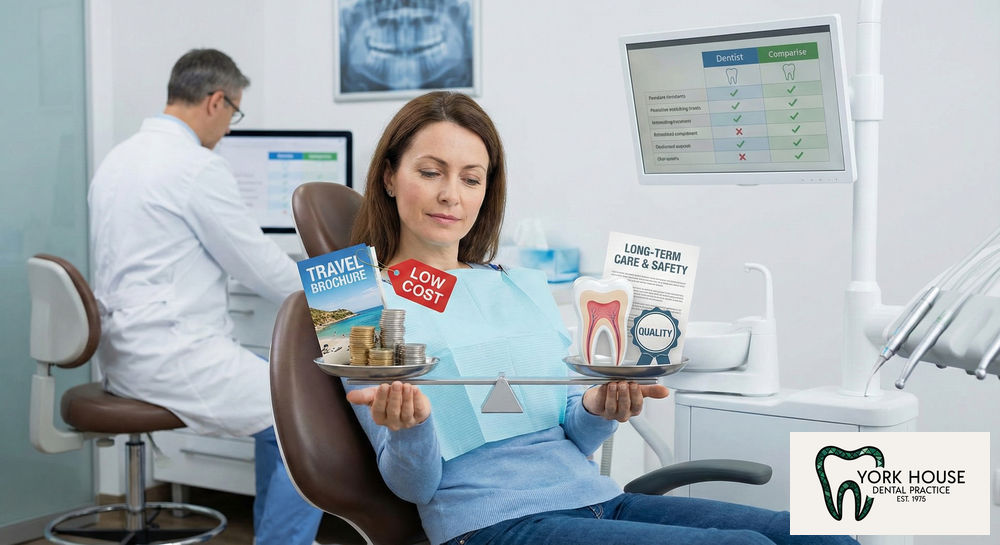
For many, choosing an experienced local provider—whether for routine care or advanced services like Invisalign—offers peace of mind, reliable aftercare, and the professional accountability that comes with established dental practices.






Comments are closed.