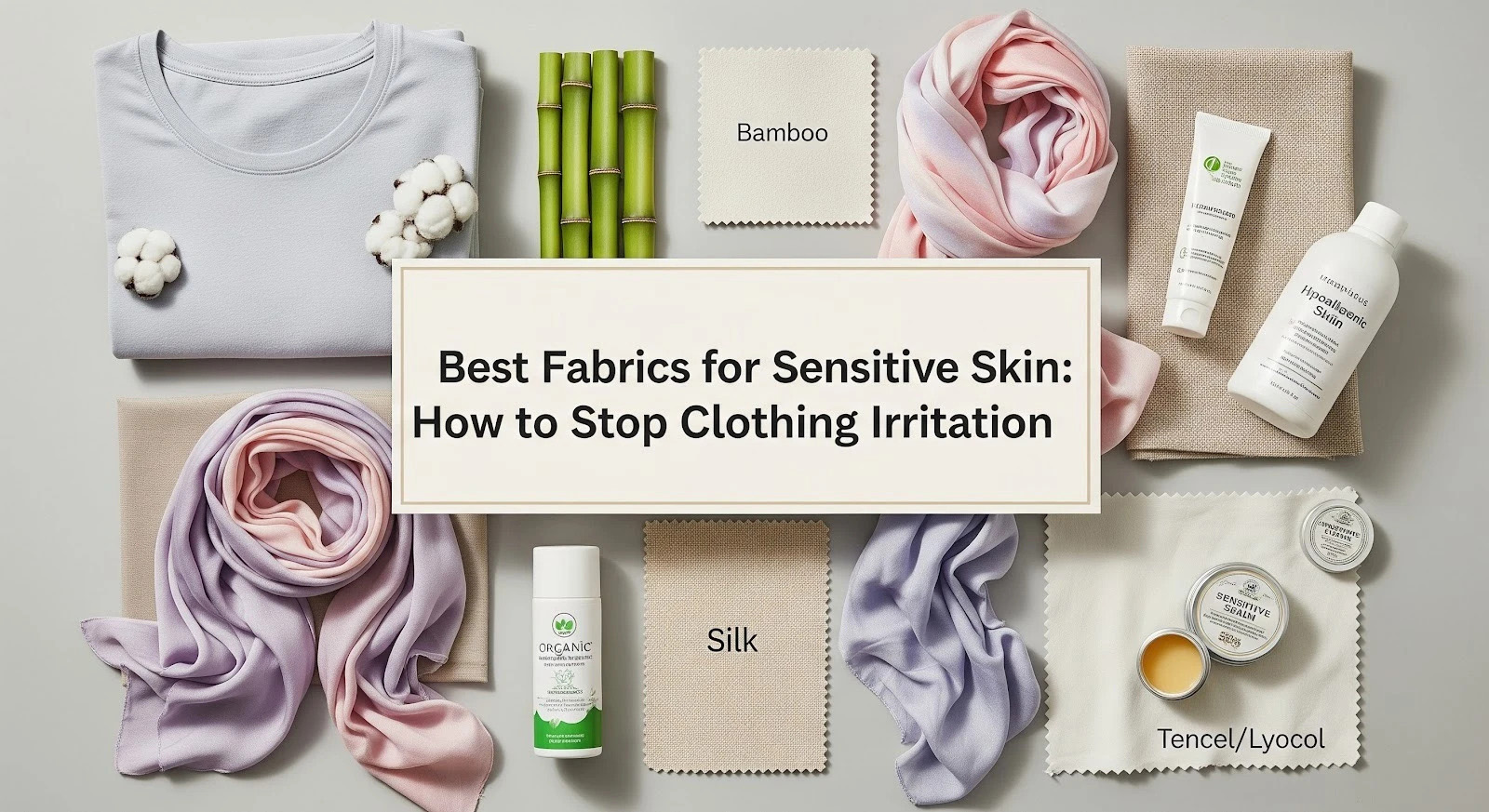
“Best Fabrics for Sensitive Skin: How to Stop Clothing Irritation” is a collaborative post.
We all have experienced it: you have worn a new sweater or a fashionable top, then within one hour, you are squirming in discomfort. It begins as a slight irritation, but soon becomes an incessant problem that comes to destroy your day. The reality of dressing fashionably is a daily compromise between good looks and comfort to those of us with tender skin or other ailments such as eczema.
The fact is that your skin is the largest organ in your body that has to be in constant contact with whatever you decide to wear. Once the barrier is broken, the inappropriate fabric may feel like sandpaper. But the good news? You need not be content to lead a life of baggy clothes. With a little textile knowledge, you are able to create a wardrobe that will ensure that you are hugged and not scratched.
Causes of Textile Contact Dermatitis: Why Clothes Irritate You
Obviously, we should discuss what you need to wear, but it is worthwhile to consider why your existing wardrobe could be the problem. Dermatologists tend to cite a disease known as textile contact dermatitis, or simply a fancy way of saying that your skin is responding to the clothes you wear.
This annoyance is generally caused by three main offenders:
- Fiber Texture: Rough fibers (such as wool) scratch the skin barrier.
- Moisture Trapping: Clothes that do not breathe have dampness that traps sweat on your skin which breeds bacteria and irritates your skin.
- Chemical Additives: The chemical irritants that persist on fabrics are dyes, resins (which are utilized to produce wrinkle-free finishes), and formaldehyde, hidden chemical additives in these products.
The Heroes: Best Hypoallergenic Fabrics (Cotton, Silk, Bamboo)
The first defense to use is the test of touch when you are shopping. When it is cool and smooth to your hand, then probably it is a safe bet. Here are the top contenders:
Cotton (Especially Organic)
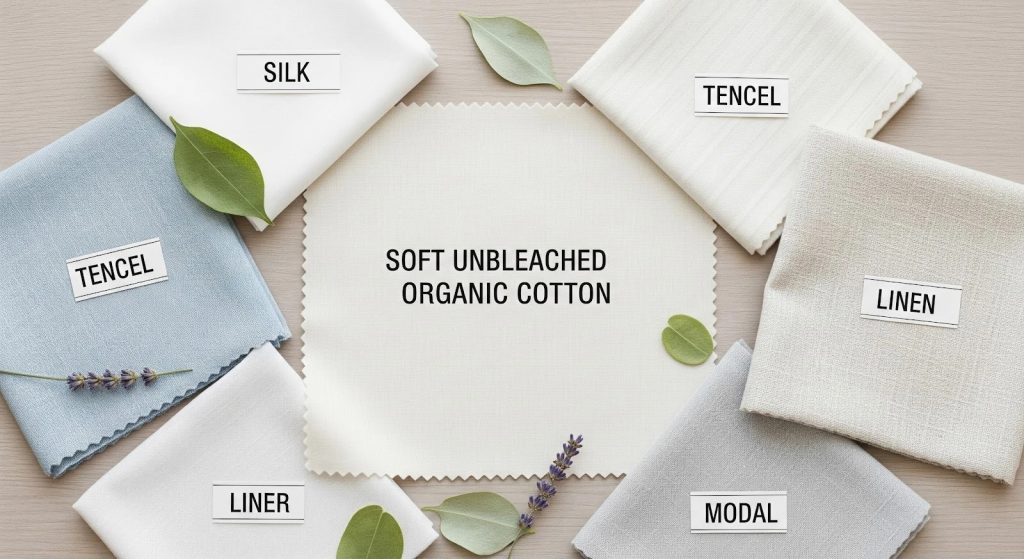
Cotton is the gold standard for a reason. It is light, breathable, and is very absorbent, dragging the sweat out of your body. Noticeably, however, not all cotton is created equal. Traditional cotton is normally covered with pesticides and dyes. When possible, use organic cotton; this is a type of cotton grown without using toxic chemicals and it is generally less irritating to reactive skin.
Silk
Silk is a wise choice which is soft and natural which means that it will not cause much friction that causes rashes. Its protein structure resembles that of human skin therefore it is very compatible to most people. It also does a great job to regulate temperature and keeps you cool when it is hot and warm when it is cold. All you need to do is to ensure you find high grade or medical grade silk since lower grades may be prone to trapping heat in some cases.
Bamboo and Modal
To get an item that will be like a second skin, seek out bamboo viscose or Modal (which is commonly called Tencel). These are garments that are based on plant pulp, which is then woven into extremely light, silky fabric. They are moisture wicking superstars and many even possess antibacterial properties which can also aid in eliminating the itching nature of sweat.
The Villains: Worst Fabrics for Sensitive Skin to Avoid
Wool
Wool is one material that is infamous in causing skin sensitivity, in spite of how snug and warming a wool sweater appears to be. These fibers tend to be rough and ribbed that may physically irritate the skin barrier. When you like the feeling of wool, you can wear an undergarment made of cotton or silk, so that the wool does not touch your skin at all.
Polyester, Nylon, Acrylic Blends (Synthetic)
Synthetics are tough and also inexpensive yet they are merely plastic. They are likely to entrap heat and moisture on the body instead of escaping. This greenhouse effect on your skin is capable of causing flare-ups very fast. Though certain athletic garments are high tech and are meant to wick sweat, general polyester blouses tend to do the reverse as well.
Clothing Fit and Construction: Seams, Tags, and Design
The ideal fabric could fail as long as the design is not skin-friendly. Clothes which are tight will cause friction, and the friction will result in rashes. A loose and flowing fit ensures that air moves around and there is less rubbing.
You should also watch the garment construction. Huge seams, embroidery, and stiff labels may be significant irritants. One would tend to think that the increased price would ensure increased comfort, yet even high-quality women’s designer clothing can have synthetic linings, metallic thread, or rough chemical dyes that cause an allergy. It does not matter what brand, always look at the care label inside.
Pro-tip: Go tagless. Should one of the tags be irritating you, cut it right off–but be sure you do not leave a sharp nub that is even more scratchy than the tag itself!
Laundry Tips for Sensitive Skin: Detergents and Care
In other cases, it is the detergent that is guilty and the fabric is innocent. Remnants of hard soaps might remain in the fibers even after the washing process is complete.
- Wash New Clothes: It is advisable to wash new clothes first before wearing. This eliminates any surplus dyes and formaldehyde finishes to keep the appearance of clothes store-crisp.
- Switch Detergents: it is best to have clear, fragrance-free, hypoallergenic detergents. Fabric softeners should be avoided as they create a chemical coating on the fibers.
- Double Rinse: When you are having a bad week in your skin, then you want to initiate your clothes through one more rinse cycle so that you can be sure that all the soap is removed.
Skin Barrier Protection: The Final Layer of Defense
Lastly, keep in mind that your clothes are your second skin, however, your first skin should be taken care of, as well. The skin barrier is hydrated and healthy making it less prone to irritation. Using delicate and scent-free skincare products after taking a shower serves to trap in moisture and provides a shield between you and your garments.
Wrapping It Up: Building a Skin-Friendly Wardrobe
Sensitive-skinned dressing does not imply that you must wear boring clothes. It simply requires you to be a little more discriminating on what you allow to touch your body. The itch can be prevented by replacing scratchy synthetics with breathable cottons and bamboo, washing new clothes with religious attention, and watching the fit.






Comments are closed.