
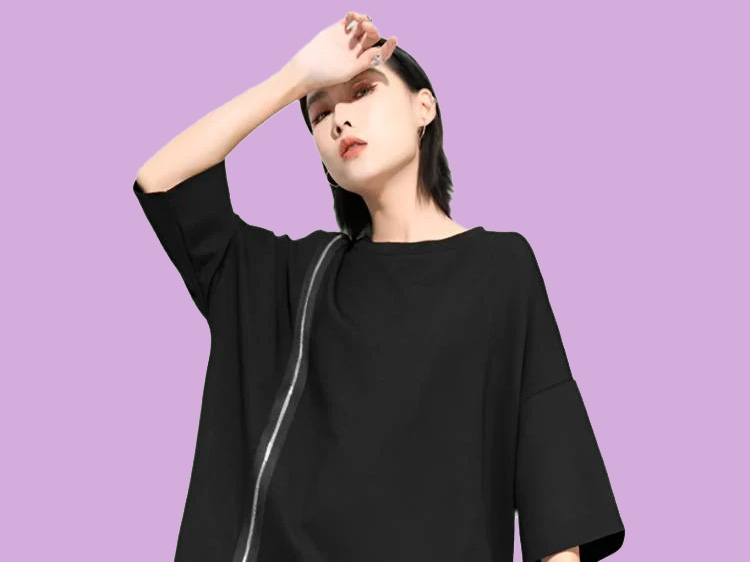
“How Minimalist Utility Fashion Became Mainstream in Urban Style” is a collaborative post.
In recent years, minimalist utility fashion has shifted from a niche aesthetic to a defining element of urban style. What once was considered purely functional workwear has now transcended its roots to offer a sophisticated yet practical fashion language that resonates with a wide range of city dwellers. This evolution reflects broader cultural changes, from how we move through urban environments to what we expect from the clothes we wear. As minimalist utility fashion becomes increasingly mainstream, it’s reshaping not just wardrobes, but the very way we think about everyday clothing.
The Roots of Utility Fashion
Utility fashion did not emerge overnight—it grew organically from clothing designed for purpose. Early utility garments were crafted for workers, soldiers, and outdoor enthusiasts. These pieces prioritized durability, comfort, and storage: think cargo pants, chore jackets, and overalls. Every pocket, reinforced seam, and heavy-duty fabric had a clear, functional intention.
Historically, these garments existed outside the realm of mainstream fashion. They were tools, not style statements. Yet, their inherent practicality began to attract attention in urban settings where functionality and resilience were increasingly valued.
Minimalism Meets Function
Minimalism—a design philosophy that emphasizes simplicity, clarity, and purpose—became a key force that reshaped utility fashion. Instead of ornate detailing or bold branding, minimalist utility pieces prioritize clean lines, neutral color palettes, and thoughtful construction.
Urban environments, with their fast pace and ever-shifting conditions, underscored the appeal of simplicity combined with utility. Neutral tones like black, gray, olive, and beige offered versatility, while streamlined silhouettes ensured adaptability across settings. Utility details—like hidden pockets or ergonomic seams—were retained but presented in a way that felt intentional rather than cluttered.
This blend of function and minimal design resonated with individuals who wanted clothing that worked and looked refined.
Street Style and Cultural Adoption
The rise of streetwear helped push minimalist utility fashion into the mainstream. Streetwear culture embraces self-expression and subcultural influences, and its openness to blending disparate aesthetics created fertile ground for utility-inspired pieces. Cargo pants paired with tailored tops, tactical vests layered over hoodies, and technical jackets worn with sleek sneakers became commonplace in urban street style.
Social media amplified these looks, spreading them across global fashion communities. Influencers and content creators curated outfits that emphasized practicality without sacrificing personality. Minimalist utility fashion quickly became a symbol of intelligent styling, especially among audiences who valued authenticity over fleeting trends.
Functionality as Identity
Unlike fashion movements that prioritize aesthetics above all else, minimalist utility fashion appeals to a deeper desire for purposeful clothing. In many ways, utility fashion reflects how modern urban life operates: unpredictable, adaptive, and layered. City living demands clothing that can transition from a bike commute to a work meeting, from rain showers to heated indoor spaces.
Utility fashion meets these needs through versatile materials, ergonomic cuts, and adaptive features. Breathable fabrics, adjustable components, and smart pocket placement all contribute to clothing that works as hard as the wearer does. This emphasis on utility aligns with a generation that values authenticity, practicality, and intentional living.
The Role of High-End and Everyday Brands
Mainstream fashion brands have taken note of utility fashion’s popularity. High-end designers and accessible streetwear labels alike have incorporated utility elements into their collections. Tailored jumpsuits, functional belted trousers, and jacket designs influenced by military wear have appeared on runways and in retail spaces worldwide.
What once felt industrial and rugged has become sleek and refined—perfectly suited for the modern city wardrobe. This crossover helped validate utility fashion as both stylish and functional.
Platforms like Cyber-Techwear have further showcased how minimalist utility aesthetics can be elevated into cohesive, urban-friendly collections.
Minimalist Utility Beyond Pants and Jackets
Utility fashion isn’t limited to cargo pants and technical outerwear. The philosophy of practical elegance has influenced other categories, including ready-to-wear staples and versatile basics. Even classic pieces like dresses have been reimagined through a utility lens.
For example, the versatility of minimalist silhouettes extends into items like the black mini dress. In a utility context, such dresses are designed with mindful simplicity—clean cuts, durable fabrics, and understated details that allow them to move seamlessly from day to night or from casual to more formal settings. These reinterpretations demonstrate that utility fashion is not just about cargo pockets and rugged fabrics—it’s about purposeful design across the wardrobe.
Sustainable Considerations
Minimalist utility fashion also aligns with growing interest in sustainability. The emphasis on quality over quantity and functionality over trendiness encourages consumers to invest in pieces that last. Durable fabrics, timeless design, and adaptability reduce the need for frequent replacements, ultimately contributing to more conscious consumption.
By prioritizing items that can function across seasons and contexts, wearers build wardrobes that are both efficient and expressive of their personal values.
Conclusion
As cities continue to evolve, so too will the styles that reflect urban life. Minimalist utility fashion, with its blend of form and function, speaks directly to the needs of modern city dwellers. It offers a solution to the challenges of metropolitan living—weather changes, transit routines, dynamic schedules—without sacrificing style.
This movement isn’t just a passing trend; it reflects a deeper shift in how we think about clothing. In an era defined by mobility, adaptability, and intention, minimalist utility fashion has become more than a stylistic choice—it’s a practical philosophy.
As the boundaries between performance wear, streetwear, and everyday style continue to blur, minimalist utility fashion stands out as a unifying force. It proves that fashion can be both beautiful and purposeful, that simplicity can be powerful, and that function and style can coexist naturally in the urban wardrobe of today and tomorrow.






Comments are closed.