

Anybody who’s had a toothache at night will tell you—it’s so hard to sleep with tooth pain. You may wake up wondering how to sleep with tooth pain, as it can seriously disrupt your sleep. Or maybe you simply can’t fall asleep due to nagging toothache. I’ve been there, so I know—and you have all my sympathy! It is awful.
One thing’s for sure—when you have toothache pain, you know about it.
But there’s a difference between mild tooth pain that is temporary, and severe pain that may indicate an underlying issue. So it’s important to know when to get treatment. Generally speaking, if a toothache lasts for more than two nights you should seek help.
Sometimes, home remedies just aren’t enough. Indeed, if there’s any fever, swelling, or a foul taste in the mouth, you should seek dental care as soon as possible.
In the UK, you can call 111 or use 111 online. Or call an emergency dentist.
For those living in America, call the urgent care center, or ER. Don’t forget that you can fall back on options like Emergency Dental Care USA or chains like Aspen Dental for walk-ins.
But in the meantime, know that there are ways you can help relieve yourself of the misery of throbbing or stabbing toothache. Whether it’s painkillers, or natural remedies—try what you can to get immediate relief during the night.
And if going to the dentist worries you, please don’t let it stop you from getting treatment. Look for a caring dentist who will listen to you and put you at ease so that you never need to worry about how to sleep with tooth pain again.
So let’s take a closer look at how tooth pain can affect your sleep at night.
How Tooth Pain Affects Sleep
Unfortunately, pain affects all stages of sleep—disrupting the overall architecture of sleep cycles, and leading to more “microarousals”.

If you’re waking a lot during the night, your body spends less time in deep regenerative sleep, which creates a vicious circle of pain amplification known as a negative feedback loop. This happens because pain activates the nervous system, and actually reduces the body’s ability to regulate any pain. It really is a tricky situation, which is why the right care is essential.
And anybody who’s had severe tooth pain will tell you, even the slightest movement can trigger waves of pain. It’s worse at night too, as when you’re lying down there’s more blood flow to your head.
Ultimately, your body isn’t getting the rest and recovery it needs—and this can have a long-term negative affect on your health.
Next, let’s look at what might be causing your toothache at night.
What Causes Toothache at Night?
Toothache at night always has an underlying cause. Here are some of the main reasons why someone would get a toothache at night.
Tooth Decay and Cavities
Teeth that are decaying can cause both dull or sharp pain in the night. Therefore, getting cavities treated by a dentist is important going forward.
Broken Fillings or Crowns
Broken fillings or crowns that need your dentist’s attention can cause pain in the night. Getting a dental appointment is crucial to pinpoint the root cause and repair your dental work. Sometimes, a new dental filling or crown is the only way to fix this problem.
Injury
Sports or other injuries can cause serious dental pain at night. If a painful tooth is cracked or fractured, it can lead to tooth nerve exposure which can be excruciating. To prevent sports injuries, you can wear a special mouth guard to protect the area.
If you’ve recently suffered a dental emergency such as injury to your teeth, mouth, or jaw, you should seek medical attention or a dentist’s care as soon as possible.
Sinus Infection
While not strictly a tooth problem, sinus infections can be incredibly painful since they put pressure on the upper teeth and often cause an unwanted dull ache or jaw pain that accompanies the sinusitis.
Gum Disease
Inflammation and pain from gum disease (gingivitis) or gum recession can cause tooth sensitivity, mouth pain, and disrupt your sleep. It’s important to visit the dentist for cleaning straight away. Your dentist will create a treatment plan to manage the disease and diminish the pain.
Tooth Abscess
A dental abscess is a bacterial infection that can cause a lot of problems. It’s one of those dental emergencies that nobody wants to experience. Those who’ve suffered from it say that it is one of the most painful dental conditions. But what causes it? An abscess is caused by a build up or pocket of pus under the gum. The right treatment as soon as possible is crucial.
Impacted Wisdom Teeth
Wisdom teeth that never fully emerged can lead to pain and infection. The only way to remedy this is with professional dental care.
Root Canal Work
When you’re sleeping during recovery from root canal treatment, lying down can increase blood flow to the area, making it feel worse. During sleep, any pain or sensitivity is amplified because there are fewer daytime distractions to take your mind off the pain. To top it all off, your body’s natural inflammation-fighting response is lower at night, making nighttimes a misery.
Tooth Grinding
Teeth grinding, or bruxism, can cause pain due to wearing to the teeth and tooth enamel. If you grind your teeth at night, then see your dentist about supplying you with a custom-made night guard to protect your teeth and gums while you sleep.
Now let’s look at some quick nighttime remedies to help you sleep with tooth pain.
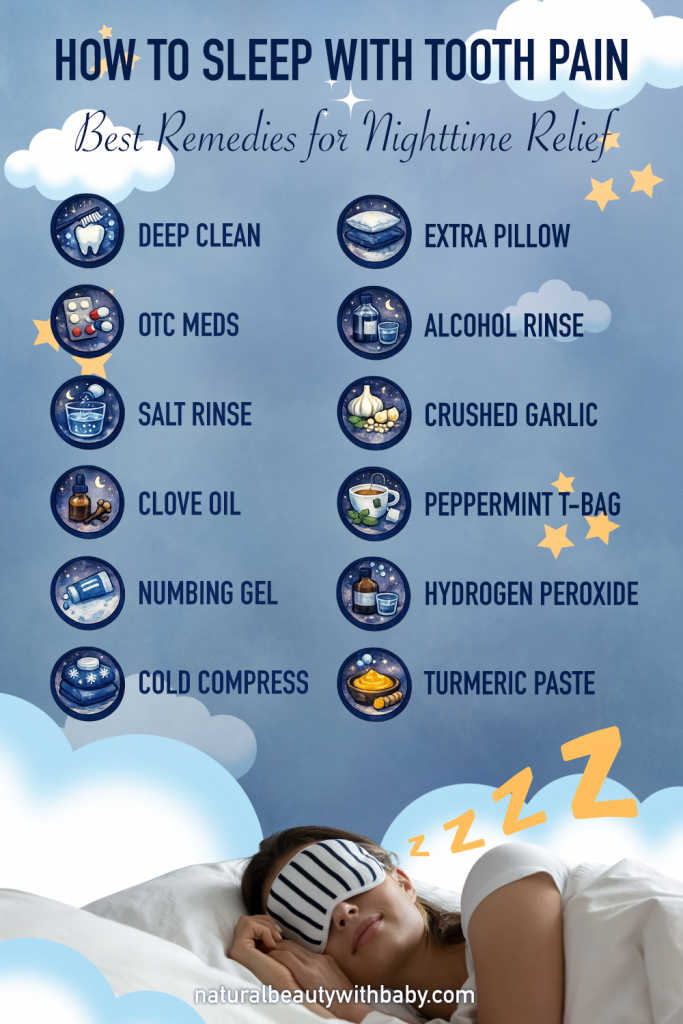
Quick Remedies to Help You Sleep With Tooth Pain
Here are some remedies to help you sleep with tooth pain. None provide a long term fix, so don’t use them to replace the care of your dentist.

Remember that prevention is always better than cure. It can be hard, but don’t let dental problems get in the way of your life and your precious sleep.
- First and foremost, make sure your teeth are clean before going to bed.
- Minimize chewing on the affected side in the evening.
- Avoid eating hot foods, cold foods, or acidic foods close to bedtime.
- Avoid hard foods that could make the problem worse.
- Use over-the-counter pain relievers.
- Try a cold compress or cold pack.
- Prop your head on a pillow.
Now let’s take a closer look at some quick ways to help you sleep with a toothache.
1. A Deep Clean
You should always try this first, especially if your tooth pain is not severe. Food particles can get stuck in your teeth and cause sensitivity, discomfort, and pain.
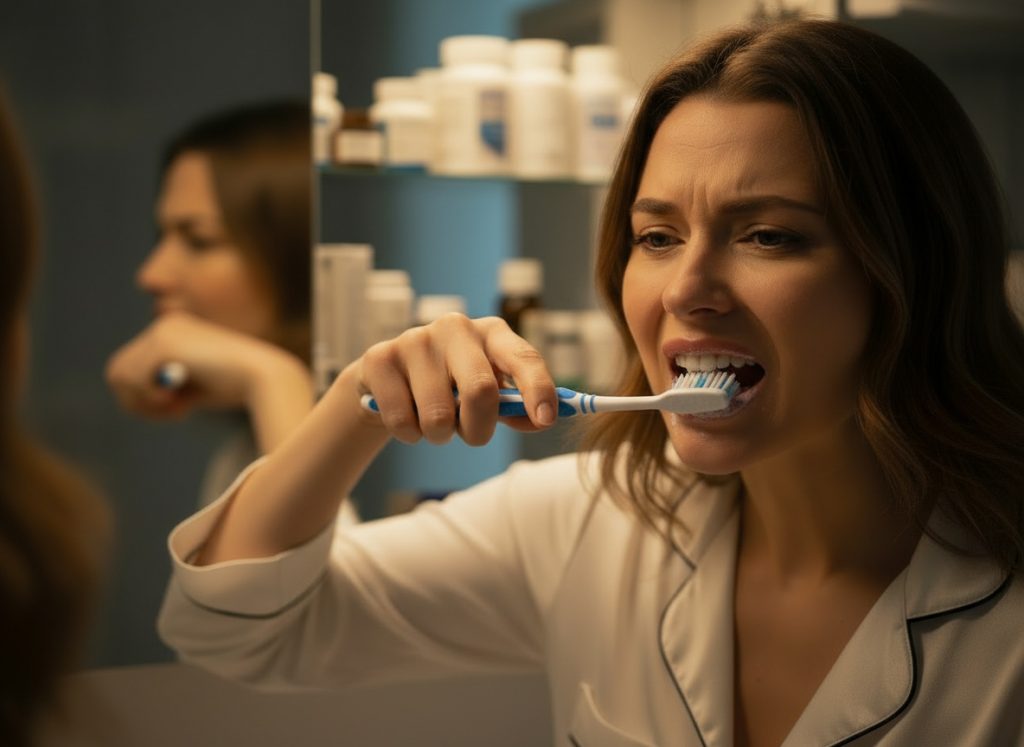
To remedy this, thoroughly clean your teeth with a decent toothbrush and fluoride toothpaste. Try a toothpaste designed for sensitive teeth if you think it might help. Some, like those containing stannous fluoride, can bring instant relief. Brush for at least two minutes.
Remember that mouthwash is not a substitute for proper toothbrushing, despite what the marketing claims would have you believe!
After brushing, use tooth floss or tape to ensure all the hard to reach areas of your gumline are properly cleaned.
2. Over-the-Counter Painkillers
If cleaning your teeth doesn’t help, then over-the-counter medication is your next route. Look for ibuprofen, acetaminophen, or paracetamol.
However, please know that painkillers are only a temporary solution and should not replace proper dental care. That said, sleeping with tooth pain is definitely made easier thanks to painkillers.
Ibuprofen is especially effective since it both reduces pain and brings down inflammation.
Use the 3-3-3 rule for ibuprofen. Take three 200mg ibuprofen tablets (600mg total), every three hours, and take them three times a day. Remember that ibuprofen might not be suitable for everyone, so check the contraindications first and always consult with your doctor before taking new pain medications. Remember to follow the dosage instructions.
3. Saltwater Rinse
Next up, try a salt water rinse. To do this, add half a teaspoon of salt to a glass of warm water, and rinse for 30 seconds to two minutes. Then spit the salt solution away. Salt is a very effective natural disinfectant cleanser and can help dislodge any particles.
4. Clove Oil
This natural remedy for toothache really works. Why? Clove oil contains eugenol, a compound that calms nerves and reduces inflammation.

To use clove oil for nighttime toothaches, create a swab by adding a small amount of clove oil to a carrier oil like olive oil, and dropping onto a cotton ball to hold against the affected tooth.
5. Topical Numbing Gel
This short-term solution can bring instant relief from unbearable tooth pain, and the easy to use format makes it great for treating nighttime toothache. Look for topical anesthetic dental gels with ingredients like benzocaine or lidocaine. Brand names include Orajel and Anbesol. Remember to check with your doctor or pharmacist if you’re pregnant or breastfeeding.
6. Cold Compress
Try holding a cold compress against the affected area. Cold temperatures work by constricting blood vessels in the face to relieve swelling and pressure.
You could also try an ice pack or bag of ice wrapped in a cloth or clean towel to bring temporary pain relief and reduce swelling.
7. Use an Extra Pillow
Avoiding lying flat by elevating your head at night can make a big difference to tooth pain. This simple change reduces the pressure in your head and soothes throbbing pain. If you sleep with a partner, ensuring you have a mattress that supports you both independently so you don’t feel each other’s every move, is also a good idea.
8. Alcohol Rinse
Our grandparents swore by this remedy for toothache at night, but it’s only for adults 18+. Take a small mouthful of vodka or similar high percentage alcohol, or soak a compress with it, to apply to the painful area. The alcohol disinfects the region and can help numb the pain. The benefit of an alcohol rinse is that you likely already have this remedy in your house.
9. Garlic
Don’t dismiss using garlic for toothache—it really can bring temporary relief! Why? Garlic contains a compound called allicin, which has strong antibacterial properties.
To try it, simply hold crushed fresh garlic over the affected area for a few minutes. It’s not for the faint hearted, and if you sleep with a partner they probably won’t thank you for this nighttime remedy for toothache!
10. Peppermint Tea Bag
Try this gentle remedy for nighttime tooth pain—simply hold a steeped then cooled peppermint tea bag against the sore area. The soothing temperature of the bag and the menthol in the peppermint is a helpful remedy for some, and is less offensive than garlic or clove oil for mild toothache.
11. Hydrogen Peroxide Rinse
Some swear by a hydrogen peroxide rinse for severe toothache. And because of its disinfectant and antibacterial qualities, it’s often included in many mouth washes. To use it, mix 3 percent hydrogen peroxide solution with equal parts water. Do not use it undiluted.
12. Turmeric Paste
Ayurvedic medicine practitioners recommend turmeric to treat toothache. And there is real science behind it. The active ingredient in turmeric, curcumin, is anti-inflammatory and anti-bacterial. To try it, mix turmeric powder with a little coconut oil to create a smooth, thick paste, then apply it directly to the sore tooth. This home remedy is probably best done in the kitchen, as turmeric is known for its bright colour that readily stains fabrics and soft furnishings.
Now, here are some tips for managing tooth pain at night.
Tips to Prevent Tooth Pain at Night
These tips will give you the best chance of a healthy mouth and a restful night’s sleep in the future:
- Dental Routine: Good oral hygiene is crucial to maintain your oral health. That means brushing twice a day, and flossing once a day. You can also use interdental sticks like TePe for a really thorough clean.
- Dental Checkups: Regular dental checkups are key to oral health. Try to visit every 6 months. Not only do dentists spot tooth problems, they can also assess your jaw and soft tissues for any signs of disease.
- See the Hygienist: Dental hygiene appointments are also important. They ensure plaque and tartar are regularly removed from your teeth.
- Get Treatment: Ensure proper treatment of any dental problems. Follow the recommendations of your dentist for any treatment that you need.
- Eat Healthily: Pay attention to your diet to ensure it’s optimised for dental health. You can also explore dental probiotics to support a healthy smile.
- Ensure Hydration: Hydration is important to your dental and oral health. Saliva plays an important role in remineralising your teeth, and adequate hydration helps this process.
- Curb Harmful Habits: Drinking excessive amounts of alcoholic drinks, smoking, vaping, and taking recreational drugs can impact your oral health. Be sure to discuss this with your healthcare provider to prevent future dental health problems.
- Manage Stress: Learning relaxation techniques and practising them before bed can help to ensure you’re not grinding your teeth at night.
Final Thoughts on How to Sleep With Tooth Pain
Having to sleep with tooth pain is something that nobody wants. But learning about how tooth pain affects sleep, what causes toothaches at night, and importantly, what you can do about it—can help you through this tricky time.
Sleep is so important to your health, so prioritise it by getting the right dental treatment and putting in place a longer-term care plan with your dentist. And don’t forget those routine check-ups! Your sleepless nights will be a thing of the past.
Until next time!







Comments are closed.