
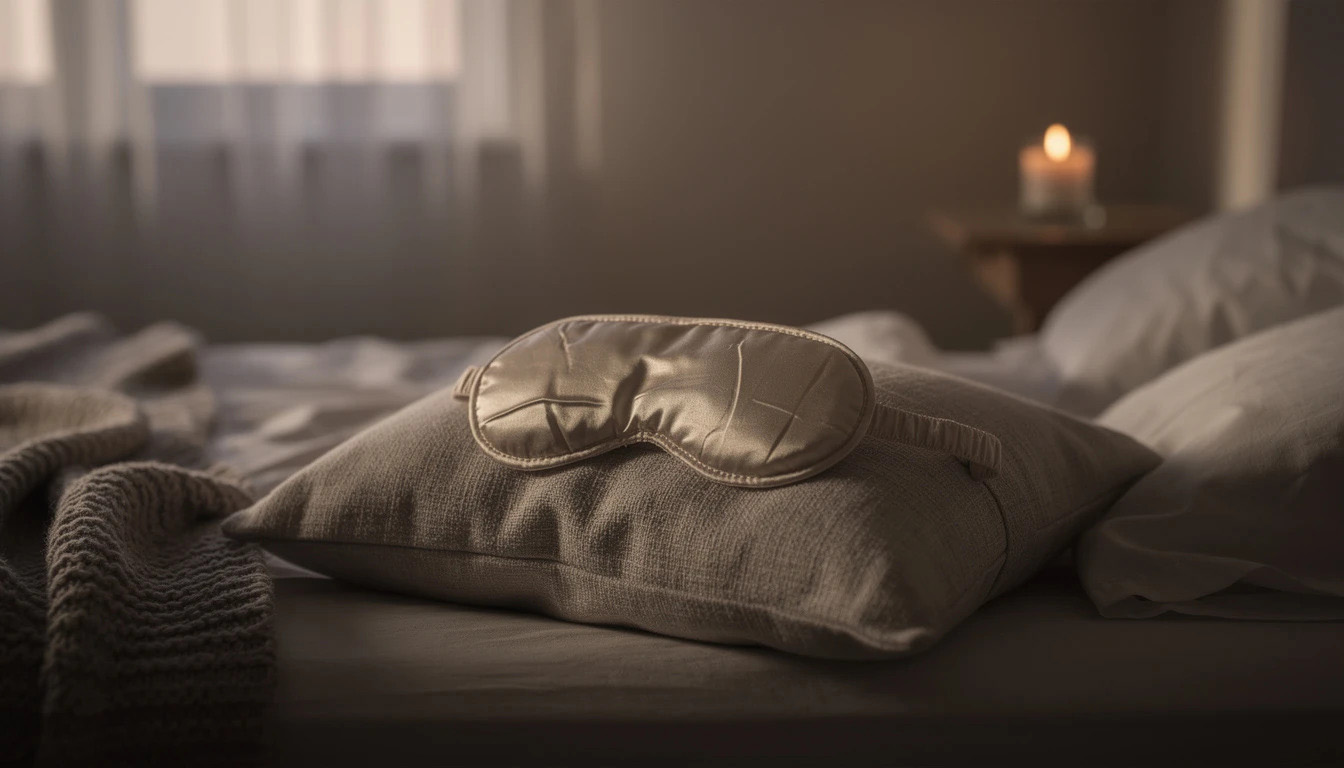
“The Benefits of Using an Eye Mask for Better Sleep” is a collaborative post.
Getting a good night’s rest can often feel elusive, especially with city lights shining through the window or distractions within the room. For many seeking deeper, uninterrupted sleep, introducing an eye mask into the bedtime routine has become a simple yet transformative step. This accessory does far more than block out light; it addresses both physical and mental aspects of relaxation. Understanding how an eye mask improves sleep quality may inspire a new perspective on nighttime habits.
How does an eye mask improve sleep quality?
An eye mask provides more than just darkness at night. By creating a completely dark environment, it encourages the brain to relax and enter deeper stages of slumber—key ingredients for overall restfulness. The absence of light triggers several physiological responses that support restorative sleep, making this subtle barrier between the eyes and external sources highly effective.
The link between total darkness and uninterrupted rest remains strong. Many who use a silk eye mask report waking up feeling more refreshed and less groggy. Even small adjustments like this can lead to significant improvements in energy levels and well-being throughout the day.
Melatonin production, circadian rhythm, and light exposure
Exposure to artificial light during nighttime hours disrupts the natural release of melatonin, the hormone essential for restorative rest. Wearing an eye mask enhances melatonin production by blocking even minimal amounts of ambient light from electronics, streetlights, or early morning sun. This signals the brain that it is time to wind down, supporting falling asleep faster—a major benefit for shift workers or frequent travelers dealing with jet lag.
A stable circadian rhythm leads not only to restful nights but also supports daytime alertness and focus. Eye masks serve as reliable shields, preserving the body’s internal clock and allowing uninterrupted cycles, even when outside conditions are less than ideal.
Promoting relaxation and reducing tension
Putting on an eye mask before bed sends a clear signal to the brain: it is time for rest. By providing a calming or comforting effect, the gentle pressure around the eyes cues muscles and nerves to release built-up stress. For many, this ritual becomes part of winding down, offering permission to disconnect from work or anxious thoughts.
For those wrestling with racing minds, simply wearing an eye mask can help reduce anxiety or tension, easing the transition into sleep. This small act of self-care can create a pleasant nightly routine, transforming bedtime into a cherished moment rather than a struggle.
Physical benefits of sleeping with an eye mask
The advantages extend beyond psychological relief. An eye mask delivers tangible benefits for eye health and skin protection, enhancing comfort and minimizing signs of fatigue upon waking. It is easy to overlook how such a modest accessory can provide a protective role, but mounting evidence highlights its value.
Potential irritants in the bedroom—such as dust, drafts, or temperature changes—are less likely to disturb sleep with a mask in place. Some models offer cooling or weighted features, adding extra relief for strained eyes or headaches experienced after a busy day.
Protecting delicate skin around the eyes
The area around the eyes is among the most sensitive on the face. Wearing an eye mask acts as a gentle shield against friction from pillows, blankets, or hands. It helps retain moisture overnight, limiting dryness that can accentuate fine lines or puffiness. For those mindful of morning appearance, regular use of an eye mask can become a proactive addition to a beauty routine.
Shielding the skin from environmental pollutants while sleeping further promotes healthy skin. Individuals prone to redness or irritation may notice fewer issues with consistent use. This blend of softness, cushioning, and light-blocking creates optimal conditions for skin recovery after a long day.
Enhancing alertness, learning, and memory
Consistent, high-quality rest does more than refresh the body—it supports the mind as well. Adequate sleep, supported by an eye mask, positively influences cognitive functions such as learning and memory retention. Deep sleep strengthens neural connections formed during the day, laying the foundation for improved recall and problem-solving.
By improving sleep duration and depth, individuals wake up clearer-headed and more prepared to process information. Enhanced alertness translates to greater productivity, faster reactions, and an uplifted mood—all thanks to eliminating disruptions caused by stray light in the bedroom.
Who might benefit most from using an eye mask?
Certain groups stand to gain the most from adopting an eye mask, depending on lifestyle, daily schedule, or surroundings. Night shift workers, frequent travelers, students, and anyone living in brightly lit urban areas typically see fast results. Parents with newborns who nap during daylight hours and people sharing a bed with partners who read late at night also experience relief by customizing their sleep environment.
Eye masks require little maintenance, travel easily, and have no side effects. With so few barriers to trying them, nearly anyone facing sleep challenges may find value in giving this tool a chance. Positive outcomes tend to appear quickly, turning restless nights into peaceful slumber more often than not.
Frequently asked questions about using an eye mask for better sleep
Does wearing an eye mask really block out all light?
High-quality eye masks effectively block out light and minimize any glow that could disrupt circadian rhythms. Complete darkness supports falling asleep faster and staying asleep throughout the night. Certain designs feature contours or adjustable straps for maximum coverage, accommodating various head shapes and preferences.
- Promotes melatonin production for deeper sleep
- Prevents early morning sunlight from interrupting rest
- Increases relaxation for sensitive sleepers
Is there scientific evidence that eye masks improve sleep quality?
Research confirms that using an eye mask improves sleep quality by maintaining consistent darkness, which stabilizes REM cycles and boosts the release of sleep-related hormones. Enhanced learning and memory are frequently observed in participants who wear eye masks, as their sleep encounters fewer interruptions.
| Subject | Improvement with mask |
|---|---|
| Sleep latency | Faster onset |
| Sleep efficiency | Higher |
| Cognitive function | Improved recall |
Can an eye mask help reduce anxiety or tension before sleep?
Wearing an eye mask can foster a calming or comforting effect during nighttime routines. Darkness reduces sensory input, making it easier to quiet the mind. The gentle touch of fabric often helps tense muscles relax, setting the stage for a more tranquil transition into sleep for many individuals.
- Helps separate bedtime from stimulating activities
- May lessen nightly worries or racing thoughts
Are there additional tips for choosing the right eye mask?
Selecting the best mask depends on individual needs. Choose soft, breathable fabrics and styles with adjustable straps for a secure fit. Some prefer contoured versions that allow free blinking without pressure on the eyelids. Washing the mask regularly keeps it hygienic and extends its lifespan.
- Cotton or silk feels comfortable against the skin
- Adjustable straps prevent slipping during the night




Comments are closed.