
“Pros & Cons of Acrylic vs Stone Baths: An Honest, Real-World Comparison” is a collaborative post.
Choosing a bathtub shouldn’t feel like revising for an engineering exam, yet here we are. Acrylic or stone? Lightweight practicality or heavyweight luxury? As someone who’s spent years writing about bathroom products for the UK market—and helping homeowners, designers, and trade buyers make sense of confusing specs—I can tell you this: the difference between acrylic and stone baths is far more than just price or appearance.
In this guide, we’ll break down the real pros and cons of acrylic vs stone baths, with a special focus on the increasingly popular freestanding acrylic bath.
Understanding the Two Materials First
Before we compare, it’s worth getting clear on what these tubs are actually made of. The marketing terms can be misleading.
What Is an Acrylic Bath?
An acrylic bath is made from vacuum-formed acrylic sheets, usually reinforced with fibreglass for strength. In the UK, acrylic dominates the residential bathroom market—and for good reason.
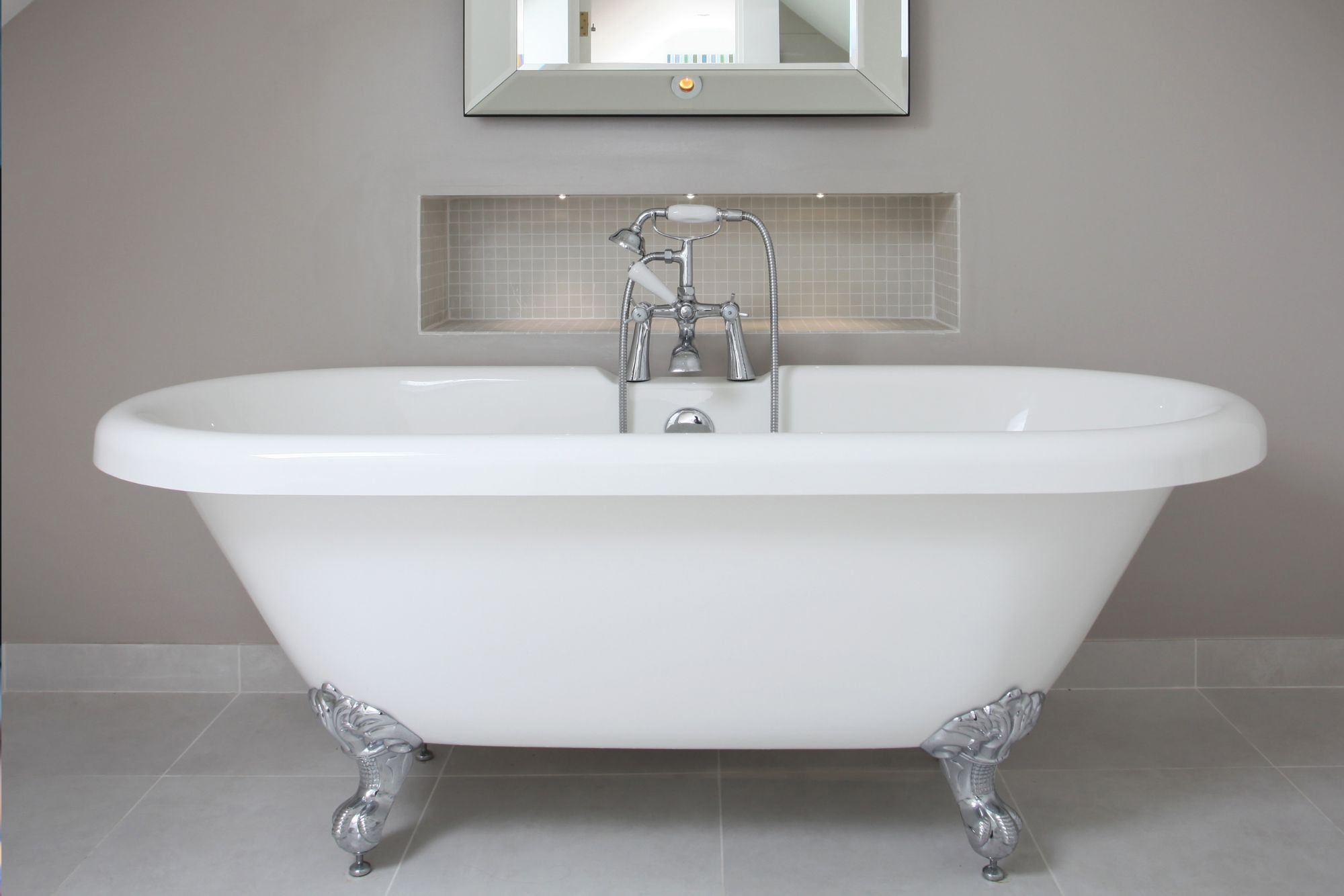
A freestanding acrylic bath offers the sculptural look people love, without the structural demands or price tag of heavier materials. It’s warm to the touch, easy to install, and forgiving in day-to-day use.
What Is a Stone Bath?
Stone baths are typically made from stone resin (a mix of crushed natural stone and resin) or, less commonly, solid natural stone. They’re dense, heavy, and designed to make a visual statement.
Stone baths are often marketed as “luxury by default,” but luxury comes with trade-offs—some obvious, others less so.
Acrylic vs Stone Baths – Side-by-Side Comparison
When people ask me which material is “better,” I usually pause before answering. Not because I don’t know, but because better depends heavily on how you live, how your home is built, and what you realistically expect from a bath. A showroom display rarely tells the full story. Daily use does.
Below is a practical, experience-driven comparison of acrylic and stone baths, focusing on the factors that genuinely affect long-term satisfaction. No marketing gloss. No theoretical perfection. Just real-life performance.
Weight and Structural Impact
This is the first and most important difference.
A freestanding acrylic bath is significantly lighter than any stone alternative. Most acrylic models fall into a weight range that standard residential floors are already designed to handle. That means:
- No need for structural reinforcement in most homes
- Greater freedom to place the bath upstairs
- Easier access through staircases and doorways
Stone baths are another story altogether. Their sheer mass can create limitations many homeowners don’t consider at the planning stage. Extra floor strengthening, load assessments, and restricted placement are common.
From a building perspective alone, the freestanding acrylic bath is simply more flexible.
Verdict: Acrylic wins for practicality and installation freedom.
Comfort and Surface Temperature
Material temperature affects comfort more than people realise.
Stone feels cold. Even in heated rooms, the surface temperature starts lower and takes time to warm up. Some people enjoy this contrast, but many find it uncomfortable when stepping into the bath.
A freestanding acrylic bath warms quickly and feels neutral to the touch almost immediately. The difference is noticeable, especially during colder months. Acrylic also retains warmth well once filled, helping keep bathwater comfortable for longer soaks.
Verdict: Acrylic wins for immediate comfort.
Heat Retention During Long Baths
Stone has high thermal mass, meaning it stores heat once warm. However, the initial energy required to warm the material offsets some of this benefit.
Acrylic’s insulating properties reduce heat loss from the water itself. In everyday use, both materials perform well, but acrylic tends to maintain water temperature more consistently without needing top-ups.
Verdict: Slight edge to acrylic for efficiency and consistency.
Durability and Everyday Wear
Stone is extremely hard, but hardness does not equal invincibility. Dropped objects can chip or crack the surface, and repairs are specialised and costly.
A freestanding acrylic bath is more forgiving. The material has slight flexibility, reducing the risk of impact damage. Light scratches can often be polished out, extending the usable life of the tub.
In homes where baths are used frequently—families, rentals, or multi-user households—acrylic generally ages more gracefully.
Verdict: Acrylic wins for repairability and resilience.
Maintenance Requirements
Stone baths demand careful cleaning routines. Certain cleaners can dull the surface or damage protective coatings. Hard water marks may require specific products.
A freestanding acrylic bath is low-maintenance by comparison:
- Mild detergent and soft cloth
- No sealing
- No special treatments
This ease of care matters over years of ownership, not just at installation.
Verdict: Acrylic wins for low-effort upkeep.
Design Variety and Flexibility
Stone baths tend to follow similar design language: thick walls, sculptural forms, and minimalist styling. Beautiful, but limited.
A freestanding acrylic bath is available in a far wider range of shapes, profiles, and finishes:
- Slipper designs
- Double-ended tubs
- Thin-rim contemporary styles
- Gloss or matte surfaces
This variety allows better alignment with different interior styles, from traditional to ultra-modern.
Verdict: Acrylic wins for design versatility.
Installation Complexity
Because of their weight, stone baths often require:
- Additional labour
- Special lifting equipment
- Longer installation times
A freestanding acrylic bath can usually be positioned, levelled, and connected using standard plumbing practices. Faster installation reduces labour costs and disruption.
Verdict: Acrylic wins for installation simplicity.
Cost vs Long-Term Value
Stone baths sit at the premium end of the market. Beyond the purchase price, installation and potential structural work increase overall spend.
A freestanding acrylic bath offers strong long-term value:
- Lower purchase cost
- Lower installation cost
- Cheaper repairs if needed
For most homeowners, this translates into better return on investment.
Verdict: Acrylic wins for value.
Environmental Considerations
Both materials involve industrial processing. Stone resin requires mining and heavy transportation. Acrylic production is energy-intensive but benefits from lighter shipping weight and improving recycling pathways.
From a practical standpoint, longevity matters most. A durable freestanding acrylic bath that lasts decades without replacement can be just as responsible as heavier alternatives.
Verdict: Comparable, dependent on manufacturing standards.
Overall Performance Summary
When comparing performance across comfort, maintenance, installation, and value, the freestanding acrylic bath consistently meets the needs of typical households more effectively than stone.
Stone baths remain a niche choice for design-led spaces where visual impact outweighs practicality. For everyday living, acrylic delivers a better-balanced solution.
Bottom Line:
For most real-world bathrooms, a freestanding acrylic bath offers the strongest combination of comfort, flexibility, durability, and long-term satisfaction.
Who Should Choose a Freestanding Acrylic Bath?
A freestanding acrylic bath is an excellent choice for homeowners who want a balance of comfort, style, and everyday practicality. If you live in a typical UK house or flat, chances are your floors were designed with standard load limits in mind. The lighter weight of a freestanding acrylic bath makes installation far simpler, especially in upstairs bathrooms, loft conversions, or renovation projects where structural changes are best avoided.
This type of bath is also well suited to people who actually use their bath regularly. Acrylic warms quickly, feels comfortable to the touch, and retains heat well, making long soaks more enjoyable without constant reheating. For families, shared households, or rental properties, durability and easy maintenance are major advantages. Minor surface marks can often be repaired, and routine cleaning requires nothing more than gentle household products.
Design-conscious homeowners will appreciate the wide variety of shapes and finishes available. Whether your bathroom leans modern, transitional, or classic, a freestanding acrylic bath offers far more flexibility than heavier materials.
In short, if you value practicality, comfort, reasonable installation costs, and long-term reliability, a freestanding acrylic bath is a smart and future-proof investment.
Who Should Choose a Stone Bath?
A stone bath is best suited to homeowners who place visual impact and material presence at the top of their priority list. If your goal is to create a strong design statement—particularly in a large, open-plan or ground-floor bathroom—a stone bath can become a true focal point. The substantial weight and solid feel naturally communicate a sense of permanence and luxury that lighter materials cannot fully replicate.
Stone baths tend to work well in properties where structural capacity is not a concern, such as concrete floors or ground-level installations. They are also better suited to households where the bath is used more occasionally rather than multiple times a day, as stone surfaces start cold and require more time to reach a comfortable temperature.
Homeowners who enjoy minimalist or architectural interiors often gravitate toward stone because of its sculptural forms and clean lines. However, it is important to understand that stone baths require more careful maintenance and a higher overall investment, both at purchase and installation.
In summary, a stone bath makes sense for design-led spaces where aesthetics outweigh practicality, and where budget, weight, and maintenance considerations are secondary to achieving a distinctive visual experience.
Key Takeaways at a Glance
When comparing acrylic and stone baths, the most important differences come down to how the bath will be used in real life rather than how it looks in a showroom. A freestanding acrylic bath consistently stands out as the more practical option for most households, thanks to its lighter weight, easier installation, and everyday comfort. It warms quickly, retains heat well, and is far more forgiving when it comes to minor scratches or surface wear. These qualities make it especially suitable for regular use, family bathrooms, and renovation projects.
Stone baths, by contrast, are primarily chosen for their visual presence and solid feel. They perform best in ground-floor spaces or structurally robust buildings where weight is not a concern. While undeniably striking, they require higher investment, more careful maintenance, and greater installation planning.
From a long-term value perspective, a freestanding acrylic bath offers a stronger balance of cost, durability, and usability. It adapts more easily to different interior styles and household needs, making it a safer choice for the majority of buyers.
In simple terms, choose acrylic for comfort, flexibility, and practicality. Choose stone for statement design and architectural impact.





Comments are closed.