

“Gentle and Natural Ways to Care for Your Baby’s Emerging Teeth” is a collaborative post.
Those First Teeth Deserve Thoughtful Attention
When your baby’s first tooth breaks through the gum, it is a milestone that brings both excitement and a whole new set of questions. Should you start brushing right away? What toothpaste is safe? Are natural remedies for teething pain actually effective?
The good news is that caring for infant teeth does not require an arsenal of products or complicated routines. A few simple, gentle practices make all the difference in setting your child up for strong dental health from the very beginning.
Baby teeth might be temporary, but they serve critical roles. They hold space for permanent teeth, support jaw development, and allow your child to chew food properly during years of rapid growth. Losing them prematurely to decay can cause alignment problems that follow your child into adulthood.
Cleaning Gums Before Teeth Even Arrive
You can start oral care from birth. After breastfeeding or bottle feeding, wrap a clean, damp washcloth around your finger and gently wipe your baby’s gums. This removes milk residue that bacteria feed on and gets your baby accustomed to the feeling of oral cleaning.
Some parents use organic coconut oil on the cloth. Coconut oil has mild antimicrobial properties, and babies generally tolerate the taste well. There is no need for anything more complicated at this stage. Warm water and a soft cloth do the job beautifully.
Make it part of your existing routine. Right after the last feeding before bed, a quick wipe takes less than a minute and establishes a pattern your baby will grow into naturally.
Choosing Safe Toothpaste for Infants and Toddlers
Once that first tooth appears, the American Academy of Pediatrics recommends a tiny smear of fluoride toothpaste. We are talking about the size of a grain of rice. At this amount, fluoride strengthens developing enamel without any risk if swallowed.
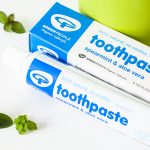
If you prefer fluoride-free options, look for toothpastes containing hydroxyapatite, a naturally occurring mineral that remineralizes enamel. Several brands now formulate infant toothpaste with this ingredient, and emerging research supports its effectiveness.
Avoid toothpastes with sodium lauryl sulfate, artificial sweeteners, or harsh abrasives. Your baby’s oral tissue is delicate. Read labels carefully and stick with products designed specifically for infants, not children’s toothpaste marketed with cartoon characters that may contain ingredients too strong for a baby under two.
Natural Teething Relief That Actually Helps
Teething is uncomfortable, and watching your baby suffer is hard. The market is flooded with teething products of varying safety and effectiveness.
Chilled washcloths work remarkably well. Wet a clean cloth, place it in the refrigerator for thirty minutes, and let your baby gnaw on it. The cold soothes inflamed gums, and the texture provides counter-pressure that relieves pain.
Silicone teething rings stored in the refrigerator offer another safe option. Avoid freezing them, as frozen teethers can be too hard and potentially damage delicate gum tissue.
Gentle gum massage with a clean finger provides immediate relief for many babies. Apply light pressure to the swollen area where the tooth is pushing through. Many infants calm down almost instantly with this simple technique.
Amber teething necklaces remain popular despite a lack of scientific evidence supporting their effectiveness. More importantly, they pose strangulation and choking hazards. The American Academy of Pediatrics advises against their use.
Breastmilk popsicles are another option gaining popularity among natural-minded parents. Pour expressed breastmilk into silicone popsicle molds and freeze. The familiar taste comforts your baby while the cold numbs sore gums. Just supervise closely to prevent choking on any pieces that break off.
Herbal options like chamomile tea, cooled and applied with a clean cloth, have been used for generations. Some parents report good results, though scientific evidence remains limited. If you choose herbal remedies, ensure they are age-appropriate and free from added sweeteners that would counteract your oral care efforts.
What to Watch For as Teeth Come In
The order and timing of tooth eruption varies widely among babies. Most children get their lower central incisors first, usually between six and ten months, but some babies cut their first tooth at four months while others wait until after their first birthday. Both extremes are perfectly normal.
Watch for signs of early childhood caries, sometimes called baby bottle tooth decay. White spots on the front teeth near the gum line are the earliest visible warning sign. These spots indicate demineralization and, if caught early, can sometimes be reversed with fluoride treatments and dietary adjustments.
Never put your baby to bed with a bottle of milk, formula, or juice. The sugars pool around the teeth for hours during sleep, creating an ideal environment for bacterial growth. Water is the only safe option for bedtime bottles once teeth have emerged.
If you notice discoloration, unusual spots, or any tooth that looks different from the others, schedule a dental visit. Early assessment prevents small concerns from developing into problems that require more invasive treatment down the road.
Building a Foundation for Lifelong Dental Health
The habits you establish now will echo through your child’s entire relationship with dental care. A baby who associates mouth cleaning with a calm, positive experience grows into a toddler who cooperates during brushing and a child who visits the dentist without fear.
Finding a dental practice that understands infants and young children makes an enormous difference. Neighborhood Dental Care focuses on creating comfortable experiences for patients of all ages, including the very youngest members of your family.
Start with gentle routines. Use safe, simple products. Pay attention to your baby’s diet as teeth emerge. And trust that these small, consistent efforts are building something lasting. Your baby’s smile is worth every moment of care you put into it.





Comments are closed.