
“Raising Eco-Friendly Kids From Day One” is a collaborative post.
Modern parenting comes with a new kind of awareness. Parents today are raising children in a world facing real environmental challenges, and those realities influence everyday family choices more than ever before. Many families want to do their part by making thoughtful decisions that help protect the planet their children will inherit.
That is why raising eco-friendly children from day one matters. This approach is not about perfection or discarding everything you already own. Instead, it focuses on small, meaningful habits such as choosing gentler products, reducing waste, and helping children build a genuine connection with nature.
Over time, these small steps add up. In this blog, we explore realistic and everyday ways families can raise eco-friendly kids with confidence, joy, and without guilt.
What Does Raising Eco-Friendly Kids Mean?
Raising eco-friendly kids does not require expensive green products or a flawless zero-waste lifestyle. At its core, it means teaching children awareness, respect, and responsibility for the natural world from an early age.
These values often begin in babyhood. Choosing reusable items when possible, buying second hand clothing, spending time outdoors, and talking about where food comes from all play a role. Small habits shape lifelong beliefs.
Families around the world approach eco-friendly childcare in different ways. In the United States, many parents focus on nature based play and reusable household items to reduce landfill waste. In Canada, outdoor learning and community gardening are becoming more common in early childcare environments, helping children develop confidence and independence.
In Australia, there is a growing emphasis on sustainable classrooms, outdoor play spaces, and teaching children to care for the land. This is especially visible in coastal communities that value outdoor living and environmental awareness. This is where childcare newcastle aligns closely with families who want nature to be part of everyday childhood experiences.
What matters most is consistency rather than perfection. Reading stories about animals, planting herbs on a balcony, or choosing to walk instead of drive teaches children far more about caring for the planet than lectures ever could.
Eco-Friendly Baby Essentials
Choosing eco-friendly baby essentials does not need to feel overwhelming. The goal is to select safer and more sustainable items that support both your child’s wellbeing and the environment. Many families are moving away from conventional products in favour of those made with natural materials and fewer chemicals.
Cloth nappies made from natural fibres are a popular example. They can be reused many times, reduce landfill waste, and often save money over the long term. Other thoughtful choices include BPA-free bottles, organic cotton clothing, wooden toys, and biodegradable baby wipes that are gentle on sensitive skin.
Organic and sustainably sourced products also tend to last longer and support ethical production practices. Even small changes, such as choosing reusable feeding sets or eco-friendly fabrics, can make everyday childcare feel more intentional and meaningful.
Everyday Green Habits for Little Ones
Teaching everyday green habits works best when it is simple and shared. Small actions like turning off the tap while brushing teeth or using a watering can help children understand that water is valuable.
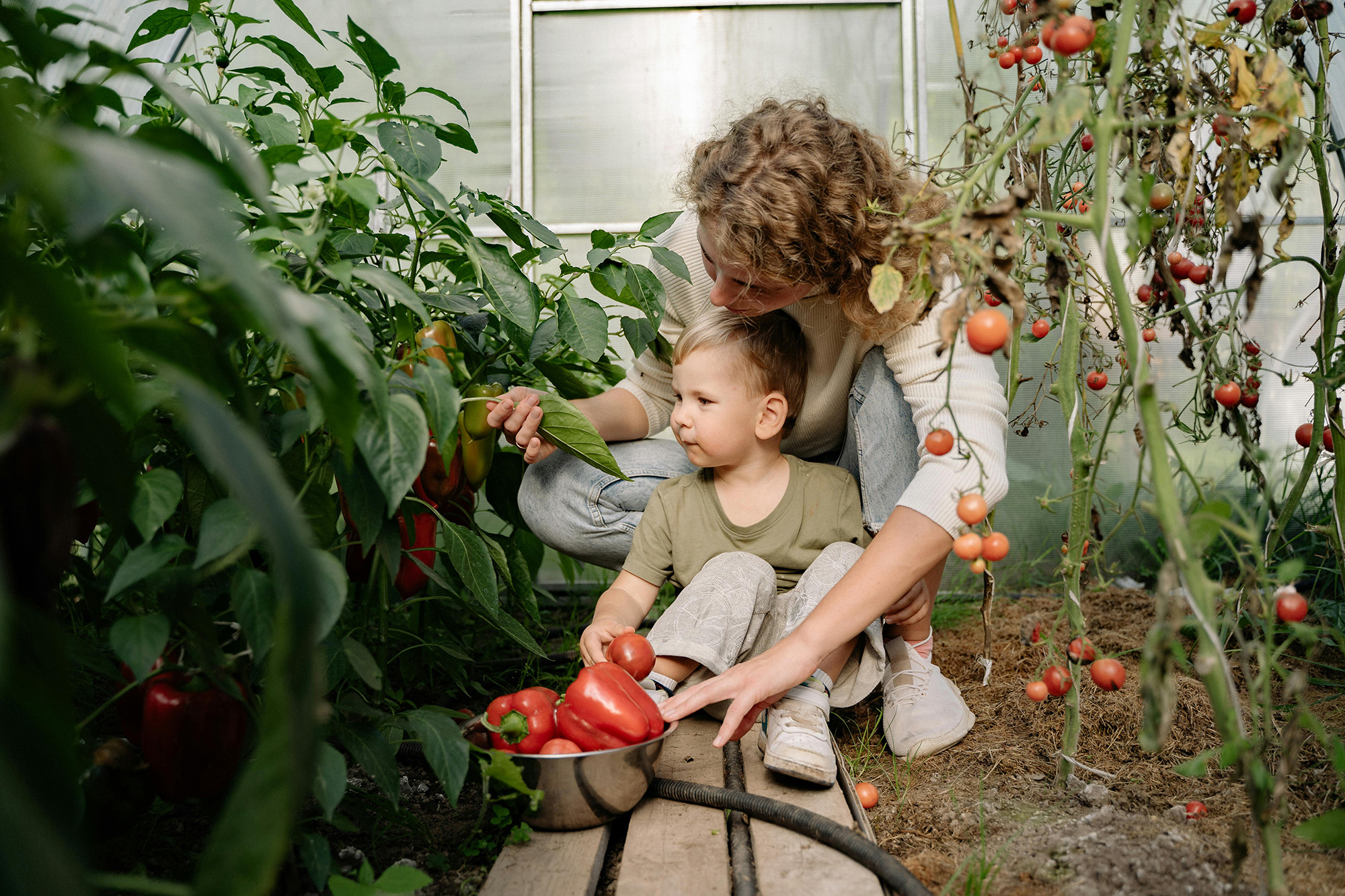
Recycling can become a fun family activity. Labelled bins allow toddlers to help sort paper, plastic, and glass, which builds responsibility and pride. Gardening together, whether planting seeds or caring for a single pot plant, connects children to nature while teaching patience and respect for living things.
By building these habits into daily routines, families support the environment while raising thoughtful children who appreciate the world around them.
Childcare & Home Life
Balancing childcare and home life plays a key role in raising confident and secure children. Predictable routines such as regular meal times, naps, and play periods help children feel safe and supported.
These routines also create opportunities to teach responsibility. Simple tasks like tidying toys or helping with household chores introduce cooperation and independence from an early age. Eco-friendly habits fit naturally into this rhythm, whether it is turning off lights, sorting recycling, or prioritising outdoor play.
When childcare values align with home practices, children experience consistency that reinforces positive behaviour. This shared approach helps children understand that caring for their environment is not limited to one space but is part of daily life wherever they are.
Teaching Through Example
Children closely observe the adults around them and often copy what they see. This makes teaching through example one of the most effective ways to encourage eco-friendly behaviour.
When parents recycle, compost food scraps, or reduce single-use plastic, children learn that these actions are normal and important. Simple activities like composting fruit and vegetable scraps together introduce children to natural cycles in a practical way.
Choosing reusable bags or turning off lights becomes a visible reminder that small choices matter. By modelling these habits consistently, parents help shape how their children think about and care for the world.
Small Steps, Big Impact
Raising eco-friendly kids begins with simple daily actions. Recycling together, choosing reusable items, and showing respect for nature through personal behaviour all contribute to lasting values. Progress does not require perfection. With patience and intention, these small habits help shape thoughtful children who grow up caring deeply about the world around them.





Comments are closed.