
“Teaching Kids About Nature Through an Organic Garden” is a collaborative post.
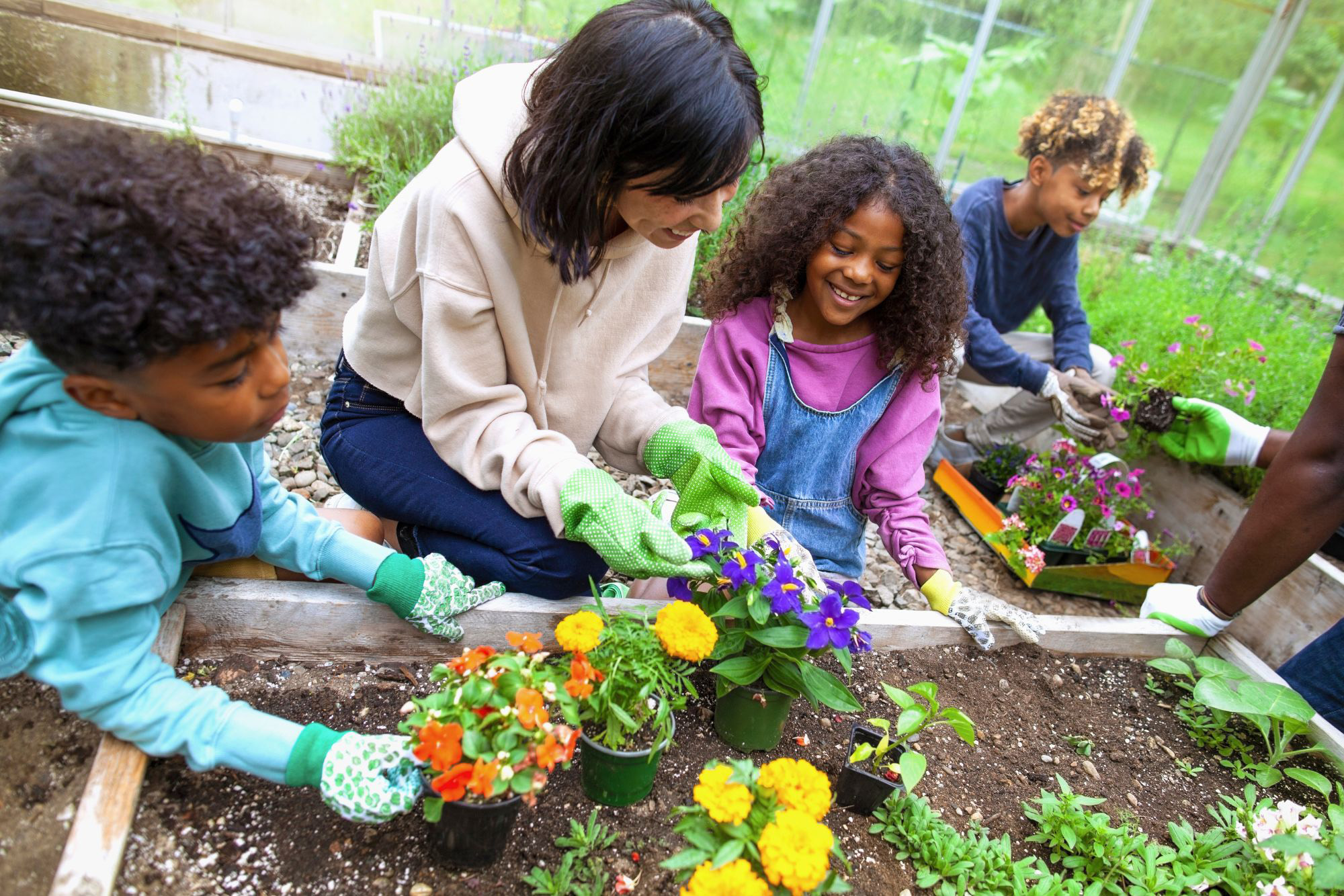
Today’s children are growing up more disconnected from nature than ever. They are surrounded by screens, packed schedules, and indoor routines. Organic gardening offers a simple and powerful way to bring them back to the earth. Organic gardening is gardening without synthetic chemicals and focuses on soil health, biodiversity, and working with nature instead of fighting it.
In the garden, kids learn by doing. They plant seeds, watch life unfold, and begin to understand where food actually comes from. Gardening builds confidence, curiosity, and a sense of care for the planet. In this article, I share practical tips and real examples to help your family teach kids about nature through an organic garden. No experience is required.
Why Teach Kids About Nature Through Gardening?
Teaching kids about nature through gardening is one of the simplest ways to help them understand the world around them. Many children today spend most of their time indoors and have little understanding of how food grows or why soil life matters.
A garden changes that. When kids dig into the soil, plant seeds, and wait for sprouts, they learn patience and responsibility without feeling like they are in a lesson. They are simply having fun while learning through experience.
Gardening also sparks genuine curiosity. Kids ask questions, notice tiny details, and start seeing nature as something alive instead of something on a screen. They learn that bees are helpers, not threats. They see how sunlight and rain work together. They understand that carrots do not magically appear at the store but grow slowly beneath their feet.
For parents, an organic garden reinforces values that matter. These include caring for the environment, eating seasonally, and avoiding harmful chemicals. Companies like Organic Garden Co make this process easier by offering safe, family-friendly gardening supplies and seeds that work well for small hands and limited spaces.
Gardening also creates lasting family memories. Time spent outdoors together leads to muddy knees, excitement during the first harvest, and moments of calm that are increasingly rare in daily life.
Preparing Your Family’s Organic Garden
Getting your family’s organic garden ready does not need to feel overwhelming. The goal is to create a healthy space where both plants and children can thrive. Start by choosing a spot that receives plenty of sunlight. Most vegetables and herbs need six to eight hours of sun each day, ideally in an area that is easy to access and water.
Healthy soil is the foundation of a successful garden. Enrich the soil with compost to make it loose, nutrient-rich, and full of beneficial organisms. Starting a compost pile at home also teaches kids how kitchen scraps can be recycled into valuable plant food.
If space is limited, raised beds or containers are excellent options. These work especially well for herbs and leafy greens. Focus on growing foods your family already enjoys, and begin with beginner-friendly plants like lettuce or basil.
Thoughtful preparation sets the stage for a productive and enjoyable gardening season that the whole family can share.
What Kids Can Learn From the Garden
A garden is more than a place to grow food. It is a living classroom where children absorb lessons naturally. When kids plant seeds, water young plants, and observe insects, they develop curiosity about science and the natural world.
Gardening makes learning tangible. Children witness life cycles, weather changes, and how plants respond to care. These lessons feel real because they are experienced firsthand instead of read about in books.
Gardens also teach responsibility and confidence. Caring for a plant from seed to harvest shows children that consistent effort leads to results. Gardening supports motor skill development through digging, planting, and tool use. It also increases the likelihood that kids will try vegetables they helped grow themselves.
Beyond structured learning, gardens provide emotional benefits by giving children a calm space to slow down, focus, and feel connected to the world around them. This emotional connection often becomes the foundation for lifelong environmental awareness.
Organic Garden Activities for Kids
Involving kids in an organic garden turns routine tasks into engaging activities. Simple actions like planting seeds, watering plants, weeding, and creating plant labels help children feel included and valued.
Harvesting vegetables is especially rewarding. Even small crops like peas or cherry tomatoes give kids a sense of accomplishment and immediate enjoyment. Adding playful elements like scavenger hunts, themed garden corners, or imaginative play areas keeps curiosity alive.
These activities transform outdoor time into an experience that builds confidence, creativity, and healthy habits while strengthening a child’s connection to nature.
Teaching Baby & Toddler-Friendly Gardening
Introducing babies and toddlers to gardening can be joyful and messy. Begin with gentle herbs such as mint, chamomile, and basil. These plants are easy to grow, pleasant to smell, and safe for sensory exploration.
Create a simple soil play area with dirt, old pots, and child-safe tools. Sensory play helps toddlers explore textures and understand cause and effect in a natural way.
As they explore, model gentle handling of plants and explain that living things need care. Set clear safety boundaries such as avoiding soil consumption or unknown plants. These early habits help children feel confident and respectful in outdoor spaces.
Growing Kids, Growing Gardens
Teaching children about nature through organic gardening is more than a hobby. It is a meaningful way to reconnect kids with the earth, nurture patience and responsibility, and create shared family memories. Start small, remain curious, and allow the process to unfold naturally. As the garden grows, so will your children.




Comments are closed.