
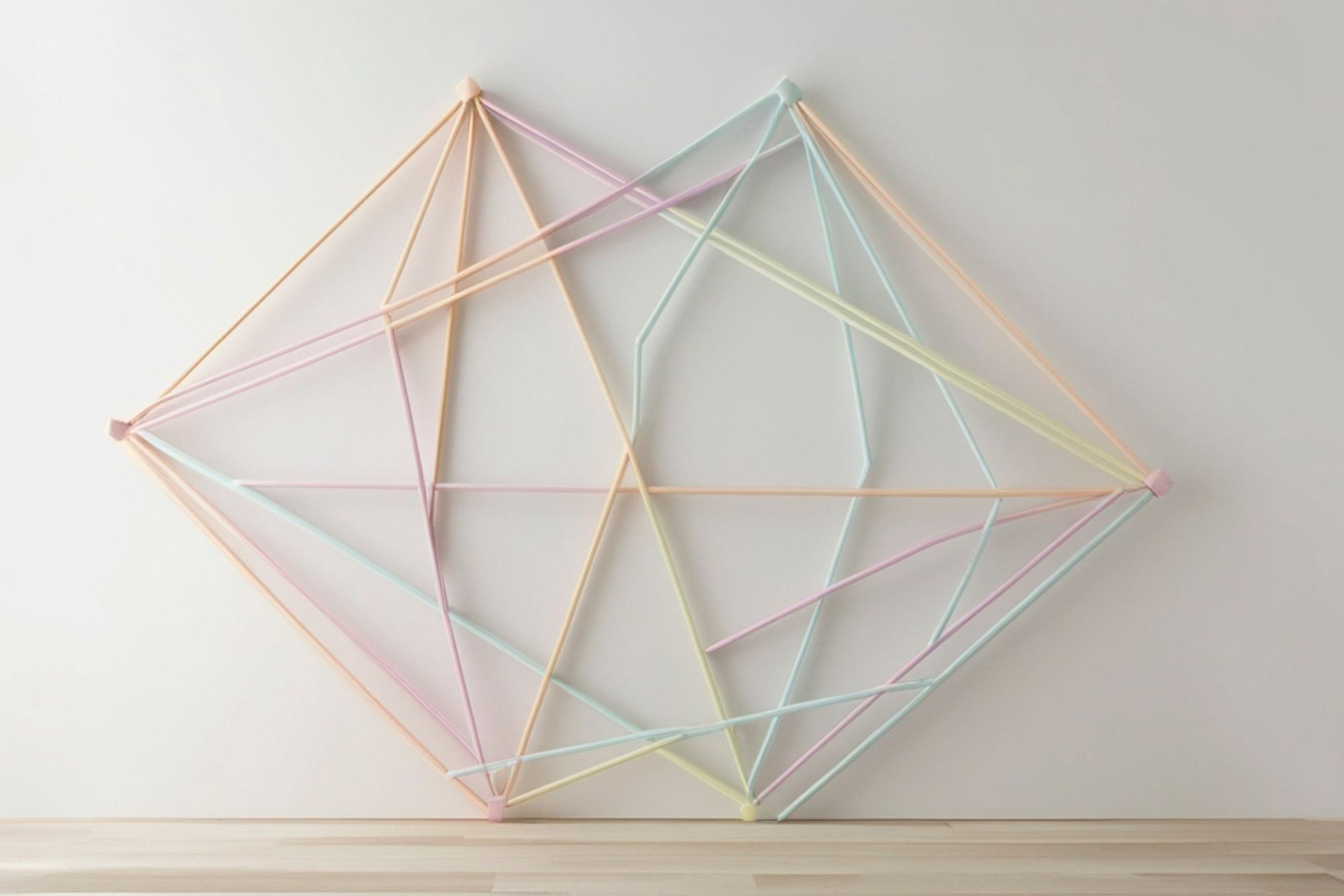
“Modern String Art: When Thread Becomes Emotion” is a collaborative post.
In a world filled with digital images and endless scrolling, truly personal art has become rare. We take thousands of photos, store them in clouds, and rarely return to them. But what if a photograph could transform into something tactile — something handmade, structured, and emotionally present in your living space?
That is the quiet power of modern string art.
String art is not new. Its geometric origins date back decades, often associated with abstract patterns created from nails and thread. What has changed, however, is its emotional dimension. Today, string art is no longer just decorative geometry — it has evolved into portraiture, memory preservation, and personal storytelling.
Instead of paint or ink, thread becomes the medium. Instead of brush strokes, carefully calculated lines form depth and shadow. The result is surprisingly detailed: from a distance, a realistic portrait; up close, a complex network of intersecting threads, each line contributing to the whole.
Why String Art Feels Different
There is something fundamentally different about thread-based portraits compared to printed canvases. A print reproduces an image. String art reconstructs it.
The viewer sees layers — literal layers of thread crossing hundreds of times. Light interacts with the lines, creating subtle shifts in depth throughout the day. The artwork is not flat; it lives in space.
In interior design, this makes a significant difference. Minimalist rooms benefit from the soft texture of thread against a wooden base. Modern spaces gain warmth without losing clarity. Even children’s rooms gain a gentle focal point without overwhelming the environment.
The circular format often enhances this effect. Unlike rectangular frames that feel traditional, round string art pieces feel contemporary and calm. The geometry softens the portrait while keeping it visually balanced.
A Growing Creative Segment
Over the past years, several brands have entered the modern string art space, each interpreting the concept in its own way. Projects such as Let’s String, Ring String, Spatar and Wire Style demonstrate how versatile this medium can be — from minimalist line portraits to more graphic, contrast-heavy designs.
This diversity signals something important: string art is no longer a niche craft trend. It is becoming a recognized category within personalized wall art.
Yet approaches differ. Some focus on fully assembled custom pieces. Others emphasize the DIY process, allowing the maker to participate in the creation itself.
From Photograph to Handmade Object
The transformation process itself is part of the fascination. A portrait is analyzed for contrast and structure. Darker areas receive denser thread crossings; lighter areas remain more open. The entire image is translated into a sequence of connections between precisely placed nails.
When assembling a kit, the maker follows a numbered template. The process is repetitive but meditative. Each step builds toward clarity. Slowly, facial features emerge from what initially looks abstract.
This gradual reveal is deeply satisfying. It mirrors how memories themselves become clearer when revisited with care.
For those discovering brands like Spatar, the appeal lies not only in the finished result but in the experience of creating it. The combination of pre-drilled wooden bases, decorative nails, and high-quality thread ensures structural accuracy while leaving space for personal involvement.
A Gift That Carries Process
In an age of instant purchases, handmade art reintroduces time as value. Creating a portrait from a shared photo — a family member, a partner, even a childhood image — adds emotional weight to the object.
Unlike standard gifts, string art carries effort. And effort communicates intention.
It is also surprisingly versatile. A monochrome portrait works beautifully in modern interiors. More contrast-heavy photos create dramatic effects. Even minimalist side profiles can produce striking results.
The aesthetic is understated. Black thread on light wood feels elegant rather than sentimental. It speaks quietly, which is often more powerful.
More Than Decoration
Ultimately, modern string art is not just about wall decor. It is about slowing down. About converting pixels into thread. About seeing a familiar face reconstructed through patience and structure.
The final piece does not shout. It invites observation. From afar, it is a portrait. Up close, it is a network — a reminder that images, like memories, are built from countless small connections.
And perhaps that is why this art form resonates today. In a digital world, thread brings us back to something physical, intentional, and quietly meaningful.






Comments are closed.