
“Mastering the Mat: A Beginner’s Guide to Pilates Language and Community” is a collaborative post.
Starting a new fitness journey can often feel like learning a second language. With its specialized movements and distinct breathing techniques, the realm of Pilates is filled with specific terminology aimed at fostering a deeper connection with your body. Yet, Pilates transcends being merely a technical workout; it embodies a holistic practice that merges physical precision with a nurturing social atmosphere. This guide delineates the key terms you should familiarize yourself with and examines how the communal nature of the studio can enhance your overall well-being.
Common Pilates Terminology to Understand
There are numerous terms and expressions you may encounter during a Pilates session. Below is a brief guide to some of the most frequently used terms by Pilates instructors:
The core: This term denotes the center of your body, encompassing the abdominal muscles, lower back, and hips. Pilates strongly focuses on engaging the core for stability and maintaining proper form.
Neutral spine: This describes the natural, healthy alignment of your spine, characterized by a slight curve in the lower back and an elongated neck.
Pelvic floor: This collection of muscles supports your pelvic organs and is crucial for core stability. Pilates exercises frequently target the pelvic floor to enhance control and functionality.
Articulation: This term refers to the controlled movement at a joint, ensuring a complete range of motion while maintaining stability.
Group Pilates: Fostering Community and Connection
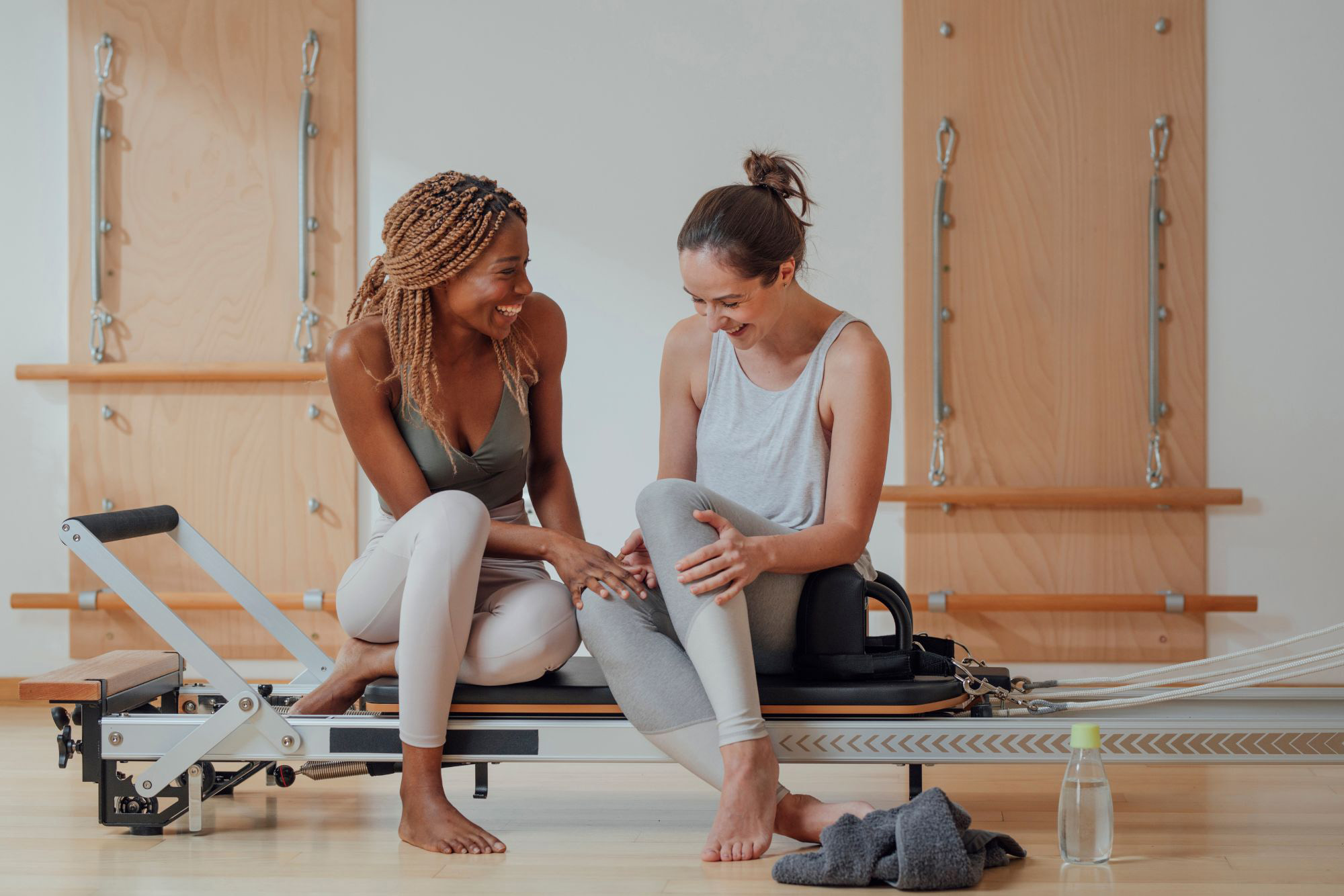
Pilates is frequently practiced in group environments, providing a distinctive chance for social interaction and support. Participating in group Pilates sessions cultivates a sense of belonging among attendees. For many, finding a welcoming studio like Muse Pilates is the first step toward building this consistency, as a supportive atmosphere makes the learning process much more enjoyable.
As individuals unite to enhance their physical fitness, they simultaneously form connections that can alleviate feelings of isolation and loneliness. This community aspect can be especially advantageous during stressful or uncertain times, creating a nurturing atmosphere where individuals can exchange experiences and build relationships.
These classes not only emphasize physical alignment and movement but also promote social interaction. Conversations that develop during warm-ups or breaks can lead to friendships that extend beyond the mat.
Research indicates that social connections are vital for mental well-being; they can result in decreased anxiety and depression, and support from peers can be profoundly empowering. Therefore, the communal aspect of Pilates functions as a dual-purpose model: improving physical health while also offering emotional support.
Mindfulness Through Movement
A key principle of Pilates is its focus on mindfulness. Unlike high-impact workouts that often promote a mindless rush, Pilates necessitates that practitioners pay attention to their movements and body alignment. This concentration aids individuals in remaining present, a practice that can greatly alleviate stress. In our fast-paced society, dedicating time to intentionally move our bodies while centering our thoughts is an invaluable method of mental rejuvenation.
The practice of mindfulness is recognized for enhancing mental clarity, reducing anxiety, and bolstering emotional resilience. When you are fully engaged in the rhythmic breathing and controlled movements of Pilates, your mind is afforded the chance to settle.
This mental space is crucial for achieving balance in both body and mind. Over time, individuals who consistently practice Pilates can cultivate a deeper sense of well-being.
Conclusion
Pilates represents a journey for both the body and the mind. By grasping the fundamental terminology and embracing the benefits of a supportive group environment, you pave the way for sustained success and consistency. It is a practice that values patience and mindfulness, providing a refuge from the pressures of everyday life. Whether you are stepping onto the mat for the first time or seeking to deepen your current practice, keep in mind that each movement is a chance to cultivate a stronger, more balanced version of yourself.





Comments are closed.