
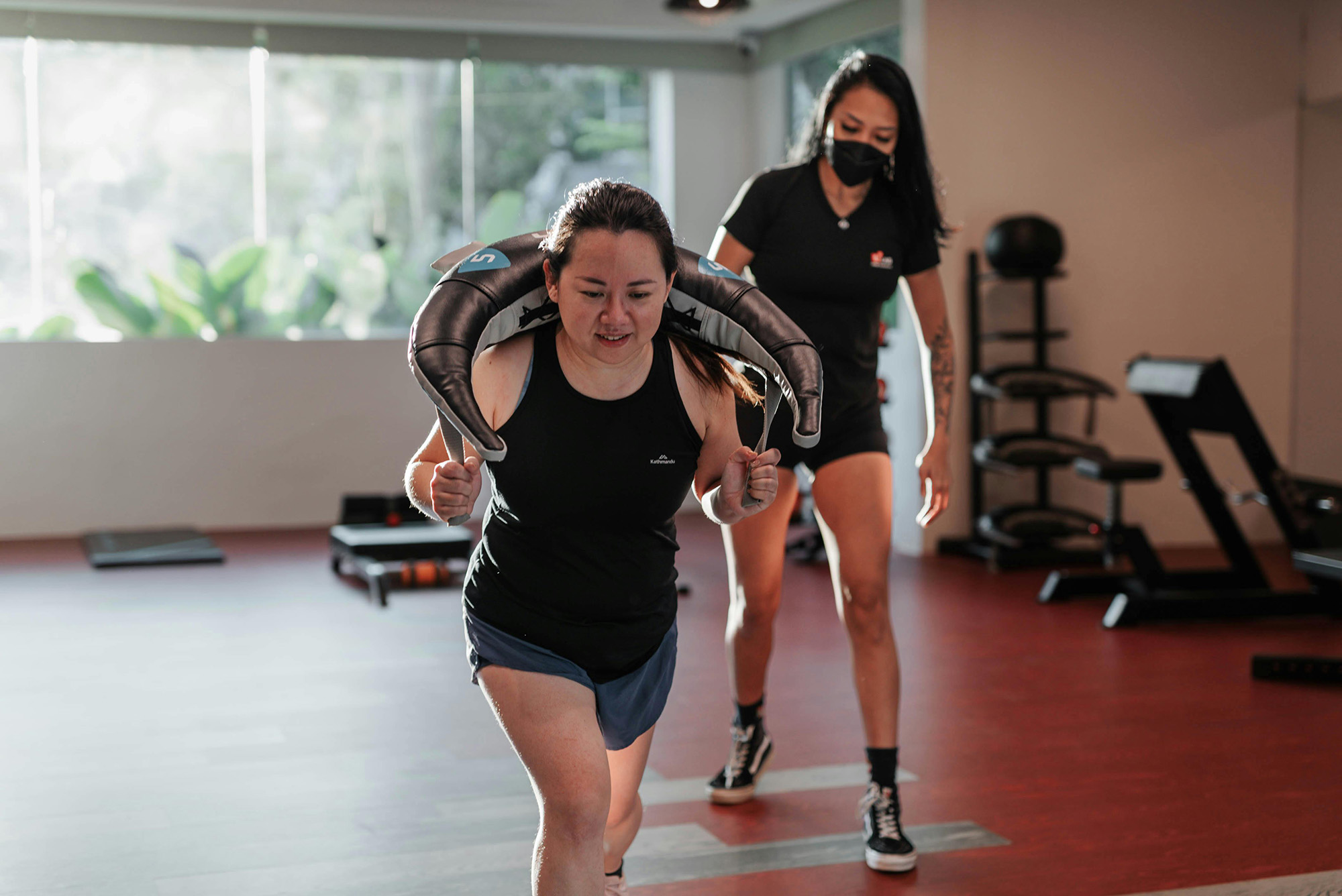
“Strength Training for Women: Nutrition Essentials & Protein Shake Benefits” is a collaborative post.
For years, many women have been told that lifting weights will make them bulky. It won’t. Strength training builds lean muscle, boosts metabolism, and helps you feel strong rather than oversized. It supports fat loss, improves bone density, balances hormones, and builds real confidence that carries into everyday life.
The truth is, lifting isn’t just about how you look. It’s about how you feel and how well your body functions. But here’s what many women overlook: results don’t come from workouts alone. If you want to get stronger and see real change, your nutrition has to support the work you’re putting in.
Why Protein Matters for Women Who Lift
If you’re lifting weights, protein isn’t optional, it’s essential. Every strength session creates tiny tears in your muscle fibres. Protein helps repair that damage and rebuild the muscle stronger than before. That’s how you get toned, defined, and resilient rather than bulky.
Research suggests most active women benefit from approximately 1.6 to 2.2 grams of protein per kilogram of body weight per day, depending on training intensity. You can get this from whole foods like eggs, fish, Greek yoghurt, lean meats, tofu, and legumes. But let’s be honest, hitting those numbers every single day isn’t always easy.
That’s where a protein shake can help. It’s quick, convenient, and perfect post-workout when you don’t feel like cooking. It’s also a simple way to top up your intake if you’re busy. In practice, many women choose to use protein shakes, like the ones at Maxine’s Burn, to stay consistent without overthinking meals.
Whey protein digests quickly and works well after training, while plant-based options are great for dairy-free diets. And no, protein shakes won’t make you bulky. Lifting heavy and eating in a large calorie surplus does that. Protein simply supports recovery and helps you get stronger.
Carbohydrates & Fats: The Overlooked Essentials
Carbohydrates are your body’s favourite fuel when you’re working out, especially for strength training and higher-intensity sessions. That’s because your muscles rely on glycogen, a stored form of carbs, to keep you powered through reps and sets. Eating carbs before and after exercise helps replenish what you use up during training.
But carbs aren’t the only important macronutrient. Healthy fats, like those in avocados, olive oil, nuts, and fatty fish, play a big role too, especially for women. They support hormone production, aid the absorption of essential vitamins, and provide longer-lasting energy outside training.
The real key to feeling strong and performing well is balancing your carbs and fats with enough protein. A mix of all three macronutrients at meals keeps your energy steady, supports recovery, and helps your body get the most out of every session.
Pre- and Post-Workout Nutrition for Maximum Results
What you eat before strength training can make a big difference to how you feel and perform. A snack or small meal with carbohydrates and a bit of protein 1 to 3 hours before your session can help fuel your muscles and boost energy without weighing you down.
Options like oatmeal with banana or Greek yoghurt with berries are simple and effective. Carbs help fuel your muscles, and adding some protein supports muscle repair right from the start.
After you train, your body enters a recovery phase often referred to as the “anabolic window,” though research suggests this window is broader than once believed. Eating a balanced meal within 30 to 120 minutes, such as grilled chicken with rice and veggies, helps replace glycogen and support muscle repair.
If you’re on the go, a protein shake with fruit works well too. Staying hydrated before, during, and after lifting is just as important. Water helps your muscles work properly and aids recovery.
Strength Training Benefits Beyond Aesthetics
Strength training isn’t just about looking toned, it’s about feeling powerful inside and out. When you lift weights regularly, your metabolism can increase slightly because muscle tissue burns more calories than fat, even at rest. This helps with weight management and keeps energy levels steady.
Your bones benefit too. The mechanical stress of strength exercises signals your body to increase bone density, which can help prevent osteoporosis as you age, a huge win, especially for women.
Lifting weights is also great for mental health and stress reduction. It triggers the release of endorphins, your body’s feel-good chemicals, which can ease anxiety and improve mood after a tough day.
And let’s talk insulin: strength training helps improve insulin sensitivity, meaning your muscles use glucose more effectively and your body manages blood sugar better. This can lower the risk of type 2 diabetes and help stabilise energy levels in the long term.
In short, strength training builds a healthier body and a sharper mind, and that’s worth celebrating.
Common Nutrition Mistakes Women Make When Strength Training
If you’re hitting the weights but not seeing the changes you want, the problem might be what, or how much, you’re eating. One big mistake is undereating calories.
When you don’t fuel your body enough to cover both daily life and training demands, your body can enter a low-energy state that hinders recovery and performance. This can even affect hormones and bone health in women.
Another common issue is not consuming enough protein. Protein is essential for repairing and building muscle after strength sessions, and skimping on it can slow your progress. Research suggests many adults do not consistently meet optimal protein targets for muscle development.
Skipping post-workout nutrition is also a mistake. Refuelling after training helps your muscles rebuild and reduces fatigue. Some evidence suggests women benefit from eating within a couple of hours of finishing a session.
Finally, relying solely on cardio without adequate strength training and nutrition means missing out on the muscle-building and metabolic benefits that lifting offers. Balancing workouts with proper eating ensures better results.
Strong Is Built, Not Starved
Strength training isn’t about shrinking yourself, it’s about building yourself. When you fuel your body properly, especially with enough protein, carbs, and healthy fats, everything changes. You recover better, feel stronger, and see real progress. Lift with purpose. Eat with intention. That’s how lasting results happen.






Comments are closed.