“5 Reasons Reiki Healings Are Becoming a Part of Modern Wellness Routines” is a collaborative post.
Wellness looks different from what it did ten years ago. People are less satisfied with approaches that only address physical symptoms and are actively looking for practices that speak to the whole person, mind, body, and energy. Reiki has moved into that space, and what was once considered a fringe or alternative practice is now showing up in spas, wellness centers, and even some hospital settings across the UK, the US, and beyond. The shift isn’t random. It reflects something real about what people are looking for when conventional approaches leave them feeling like something is still missing.
Here are five reasons Reiki is finding its place in modern wellness routines.
1. Stress Has Reached a Level That Demands More Than Surface Solutions
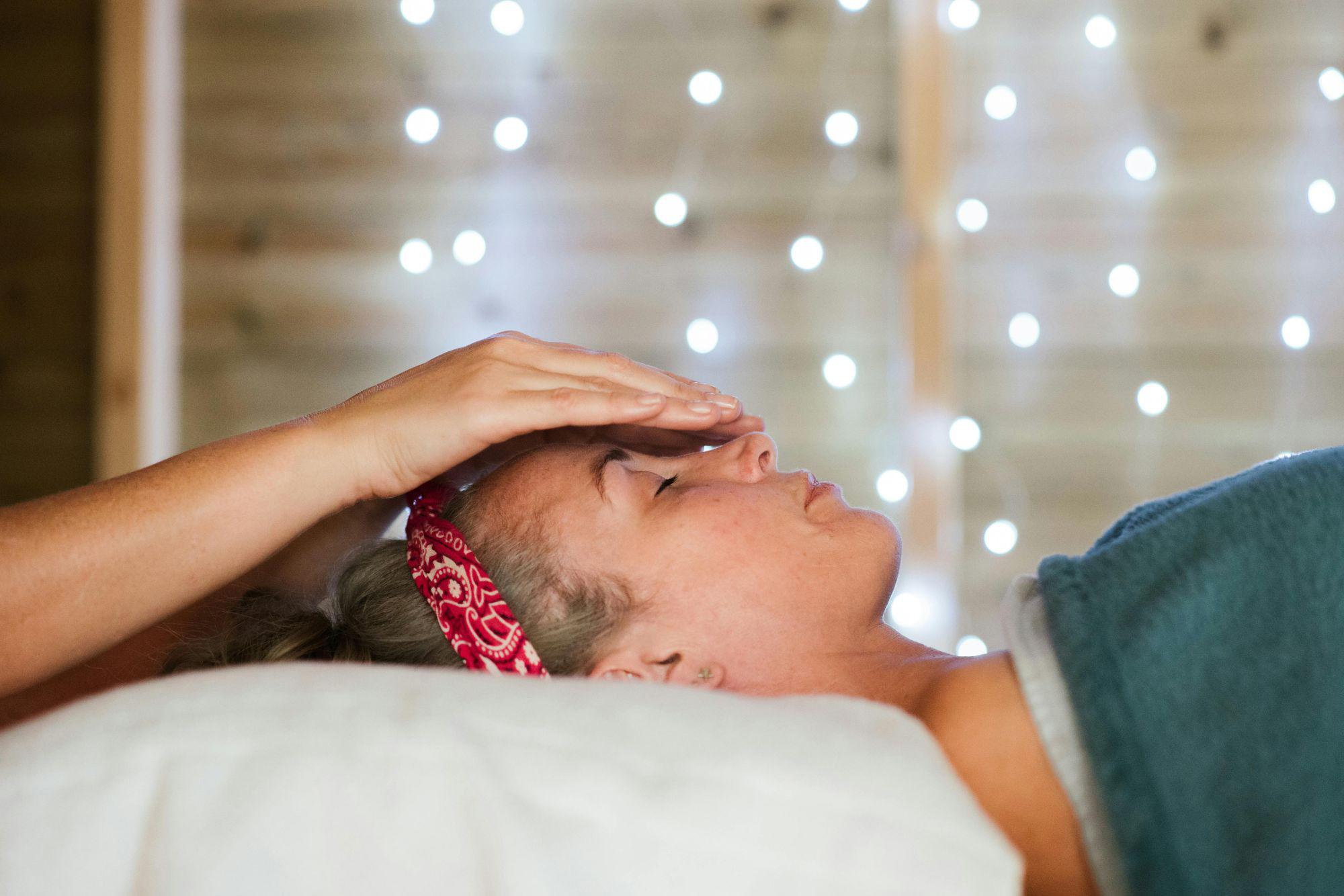
Chronic stress is one of the defining health challenges of modern life, and the usual advice, sleep more, exercise, and take breaks, only goes so far when the underlying tension doesn’t shift. A lot of people are turning to energy-based practices because they want something that addresses how stress feels in the body, not just what causes it on paper. Reiki works by promoting a state of deep relaxation that allows the nervous system to settle in a way that’s hard to achieve through willpower alone. Sessions are quiet, non-invasive, and don’t require the participant to do anything except be present.
For people who are already exhausted by the demands of daily life, that simplicity is part of the appeal. The practice doesn’t add to the load. It creates space within it.
2. People Are Looking for Complementary Support Alongside Conventional Care
One of the more significant shifts in how people approach health over the past decade is the move away from either-or thinking. It’s less common now to hear someone say they only trust conventional medicine or only trust alternative approaches. Most people want both, and they’re actively piecing together routines that include elements from different traditions.
Those exploring Reiki healings as part of a broader wellness plan often find it sits comfortably alongside other practices without conflict. Wellness centers like The Healing Moon offer Reiki as part of a holistic approach to wellbeing rather than positioning it as a replacement for anything, which reflects how most people actually want to use it. It’s the kind of practice that adds something without requiring you to give something else up, and that flexibility matters to people building routines that actually fit their lives.
3. The Research on Relaxation-Based Therapies Is Growing
Reiki isn’t yet supported by the same volume of clinical research as more established interventions, and it’s worth being honest about that. What is growing is the body of research on relaxation-based and energy therapies more broadly, and the findings are consistently pointing toward meaningful benefits for stress, anxiety, and general wellbeing.
A study published on PubMed found that Reiki was more effective than placebo in activating the parasympathetic nervous system, the part of the nervous system responsible for rest and recovery, and produced measurable reductions in heart rate and blood pressure in participants. That kind of finding doesn’t make Reiki a medical treatment, but it does suggest that the physiological effects are real rather than purely psychological, which is an important distinction for people trying to evaluate whether it’s worth their time.
4. It Fits Into a Broader Cultural Shift Toward Intentional Living
Something has changed in how a lot of people think about their time and attention. There’s a growing resistance to being constantly busy, constantly productive, constantly switched on. Practices that invite stillness and presence are resonating in a way they didn’t a generation ago, and Reiki sits squarely in that space.
A Reiki session creates a dedicated window of time where there is nothing to do, nowhere to be, and no output expected. For people who struggle to meditate or find yoga too physically demanding, it offers a way into that kind of intentional stillness without requiring a particular skill or fitness level. In practice, many people describe their first session as the first time in months they felt genuinely calm rather than just distracted from their stress.
5. Word of Mouth Is Driving Genuine Curiosity
Trends in wellness tend to spread differently from trends in other industries. People don’t usually try a new practice because of an ad. They try it because someone they trust told them it helped. Reiki has benefited from exactly this kind of grassroots momentum, with people sharing their experiences in wellness communities, on social media, and in everyday conversations in ways that feel authentic rather than commercial.
Reiki therapy has demonstrated effectiveness in reducing stress, pain, anxiety levels, and overall quality of life. When personal experiences align with emerging research, the credibility of a practice grows organically, and that’s exactly what’s happening with Reiki right now.
Wrapping Up
Reiki isn’t asking you to believe anything or change your entire approach to health. It’s asking for an hour of stillness and openness to see how you feel afterward. For a lot of people, that low barrier to entry, combined with the growing evidence base and the strong word of mouth, is enough to make it worth trying.
Wellness routines evolve when something genuinely helps, and Reiki is earning its place in a lot of them for exactly that reason.





Comments are closed.