
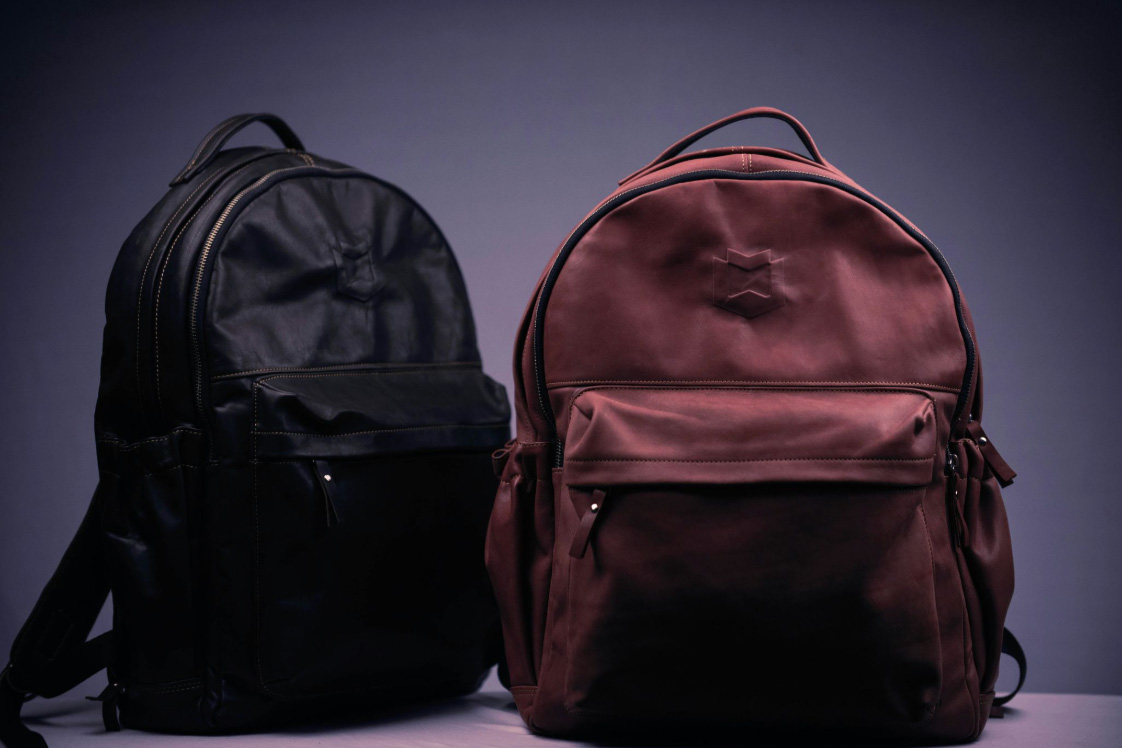
“Leather Backpacks: Timeless Style Meets Practical Durability” is a collaborative post.
Women seeking backpacks that combine sophistication with practical durability increasingly turn to premium leather options that age beautifully over time.
A quality leather backpack serves as both a functional accessory and an investment piece that enhances any wardrobe while withstanding years of daily use.
Key Takeaways
- Premium leather backpacks offer sophisticated style that works across professional, casual, and travel contexts while developing unique character through natural aging.
Unlike synthetic materials that deteriorate over time, genuine leather improves with age, developing a beautiful patina that distinguishes your backpack as authentically yours. - Leather quality varies significantly between tannery methods and material grades, making understanding leather types essential for making informed purchase decisions.
Full-grain leather represents the highest quality with natural markings and durability, while top-grain leather offers balanced quality and refinement suitable for daily professional use. - Investing in a leather backpack provides long-term value through durability spanning decades when properly maintained and cared for.
Quality leather construction with reinforced seams and solid hardware ensures your backpack remains functional and beautiful rather than becoming worn or deteriorated. - Leather backpacks develop a unique aesthetic character through everyday use that synthetic materials cannot replicate, creating accessories that feel personal and authentic.
This natural patina development means your backpack becomes more beautiful and distinctive the longer you use it rather than showing signs of wear. - Care requirements for leather backpacks are straightforward when you understand proper conditioning, cleaning, and storage techniques that preserve leather quality.
Simple maintenance routines prevent damage while enhancing the natural beauty of leather, ensuring your backpack remains stunning across seasons. - The investment in a premium leather backpack pays dividends through years of reliable use, professional appearance, and timeless style that transcends seasonal fashion trends. Quality leather refuses to date or fade, remaining sophisticated and relevant regardless of how fashion trends evolve around it.
Understanding the Appeal of Leather Backpacks
Leather backpacks have remained popular across generations because the material naturally improves with age and use.
Unlike synthetic alternatives that show signs of wear, quality leather develops character and beauty the longer you carry it.
The sophistication of leather makes it appropriate for professional environments where other backpack materials might seem casual.
Premium leather signals quality and thoughtfulness, complementing business attire while maintaining the practical functionality backpacks provide.
Why Choose a Leather Backpack
Leather offers unmatched durability for carrying daily essentials across commutes, work environments, and travel scenarios.
The material’s natural strength means your backpack withstands daily stress without losing structural integrity or aesthetic appeal.
A quality leather backpack makes a statement about your values and style preferences while proving you recognize the importance of investment pieces.
Choosing leather signals your appreciation for timeless design, natural materials, and long-term value over disposable fashion.
Understanding Leather Quality and Types
Full-grain leather represents the highest quality available, retaining the hide’s natural surface and developing the most character over time.
This premium option shows natural markings and variations that make each backpack unique rather than mass-produced and uniform.
Top-grain leather offers excellent quality with the outer surface processed to create a consistent appearance and refined sophistication.
This option balances durability with predictability, providing reliable long-term performance without the price premium of full-grain alternatives.
The Durability Advantage of Leather
Genuine leather withstands daily use better than canvas or synthetic materials, resisting tears, scuffs, and structural failures that affect inferior alternatives.
A properly constructed leather backpack can last for decades, with many quality pieces becoming heirlooms passed between generations.
The natural strength of leather means seams experience less stress and hardware requires less reinforcement than synthetic material construction.
This inherent durability translates to fewer repairs, replacements, and disruptions to your daily life.
How Leather Ages and Develops Character
The patina development process gives leather backpacks unique personality as the material responds to sunlight, moisture, and use patterns.
Your backpack literally tells the story of your adventures through natural color variations and surface development.
This aging process cannot be rushed or replicated, making authentic leather backpacks impossible to manufacture artificially.
The beauty of authentic aging means your backpack becomes increasingly valuable and distinctive rather than fading into anonymous uniformity.
Professional Sophistication and Style
Leather backpacks seamlessly integrate into professional wardrobes, complementing business casual and formal attire equally well.
The material’s natural elegance elevates your overall appearance while signaling competence and attention to quality.
Unlike casual backpack materials that feel out of place in professional settings, leather works across contexts from office environments to client meetings.
This versatility means your investment piece serves you professionally while remaining sophisticated enough for social occasions.
Leather versus Canvas and Synthetic Alternatives
Canvas backpacks offer lightweight practicality and colorful design options but lack the longevity and aesthetic development of leather.
While canvas might seem more affordable initially, replacing multiple canvas backpacks over time costs more than investing in a single quality leather option.
Synthetic materials often deteriorate quickly, showing wear patterns and structural failures that leather resists naturally.
The temporary savings of synthetic options vanish when you factor in replacement costs and the unsatisfactory appearance of worn synthetic materials.
Care and Maintenance of Leather Backpacks
Proper care involves simple steps including regular conditioning, careful cleaning with appropriate products, and protective storage.
Conditioning treatments restore leather’s natural oils, preventing dryness and maintaining flexibility and durability.
Gentle cleaning with soft cloths and specialized leather cleaners removes surface dirt without damaging the material.
Storage in cool, dry locations prevents moisture damage and allows your backpack to rest between uses while maintaining structural integrity.
Longchamp’s Leather Backpack Heritage
Longchamp built its reputation on quality craftsmanship, starting with leather goods in 1948 when the Paris-based maison was founded.
The Le Foulonné collection represents the brand’s commitment to leather heritage, featuring timeless designs and premium cowhide construction.
Le Foulonné leather backpacks exemplify how thoughtful design elevates functional accessories into sophisticated statements.
The collection’s soft, uncluttered lines and refined proportions create elegance that never appears trendy or temporary.
Investment Value and Long-Term Returns
Purchasing a quality leather backpack represents an investment that pays dividends through years of reliable use and maintained aesthetic appeal.
Unlike fashion pieces that fade when trends change, leather backpacks remain relevant and desirable as their character develops.
Many premium leather backpacks appreciate within collector communities, particularly vintage pieces from established makers.
The financial and emotional return on quality leather backpack investments substantially exceeds disposable bag purchases.
When to Choose Leather Over Alternatives
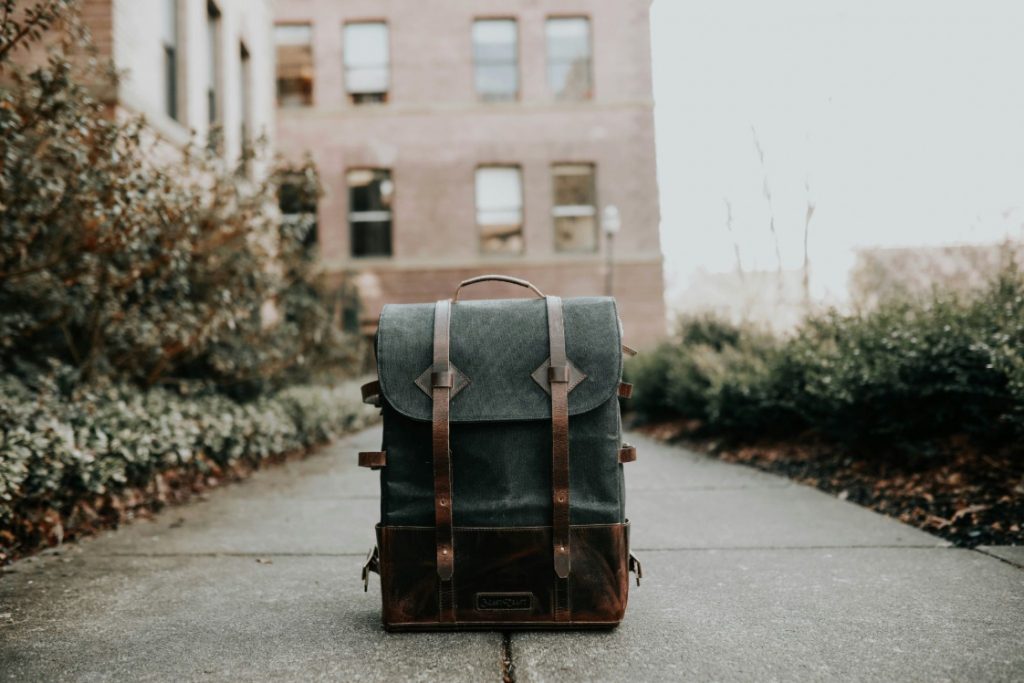
Choose leather when you value timeless style, longevity, and personal character development in your accessories.
Leather suits professionals, frequent travelers, and anyone appreciating natural materials and sustainable fashion choices.
If you prefer minimal maintenance or maximum color variety, alternative materials might better serve your needs.
However, anyone willing to invest in quality and appreciate how materials improve with age will find leather backpacks incomparably rewarding.
Sustainability and Ethical Considerations
Quality leather backpacks represent sustainable fashion choices because they last decades rather than seasons.
Investing in pieces designed for longevity reduces waste and consumption significantly compared to purchasing multiple disposable alternatives.
Responsible leather sourcing from established tanneries ensures ethical production while supporting traditional craftsmanship methods.
Brands committed to transparency about leather origins allow conscious consumers to make purchases aligned with their values.
Conclusion
Leather backpacks represent the convergence of practical functionality, timeless style, and sustainable investment that justify their premium positioning.
The material’s natural ability to improve with age creates accessories that become more valuable and distinctive the longer you own them.
Choosing a quality leather backpack means selecting a companion for years of professional success, travel adventures, and daily activities that require reliable, sophisticated carrying solutions.
The investment in premium leather proves worthwhile when you appreciate the unique character your backpack develops alongside your own life story.
Frequently Asked Questions
What makes leather backpacks more expensive than canvas or nylon alternatives?
Premium leather costs more because of the material’s durability, quality, and processing requirements compared to synthetic alternatives.
Additionally, leather develops character and improves with age, creating long-term value that justifies the higher initial investment compared to disposable alternatives.
How long do quality leather backpacks typically last?
Well-maintained leather backpacks last decades, with many exceeding twenty to thirty years of regular use.
Proper care, including conditioning, gentle cleaning, and appropriate storage, extends longevity while enhancing the leather’s natural beauty throughout ownership.
Will my leather backpack show wear marks and scratches?
Minor scratches often disappear as leather conditioning restores the surface, while deeper marks become part of your backpack’s unique patina.
This character development means minor damage doesn’t diminish your backpack’s value or functionality but rather contributes to its authentic aging story.
What is the best way to clean a leather backpack?
Use soft cloths and specialized leather cleaners designed for fine leatherwork, avoiding harsh chemicals that damage the material.
For stubborn stains, professional leather cleaning services provide expertise that prevents accidental damage while restoring appearance effectively.
Do I need special products to care for my leather backpack?
Leather conditioning creams and protective treatments preserve leather quality by maintaining natural oils and preventing dryness.
Specialized products designed for fine leather are worth the investment because they protect your backpack while enhancing its natural appearance.
How often should I condition my leather backpack?
Condition your leather backpack every three to six months depending on climate and usage patterns, more frequently in dry climates.
Regular conditioning prevents leather from drying out and cracking, maintaining flexibility and extending longevity substantially.
Can leather backpacks get wet without damage?
Quality leather naturally resists moderate moisture and dries without permanent damage when treated appropriately.
However, prolonged saturation or submersion can damage leather, so promptly wiping wet backpacks and air-drying them carefully prevents water damage effectively.






Comments are closed.