
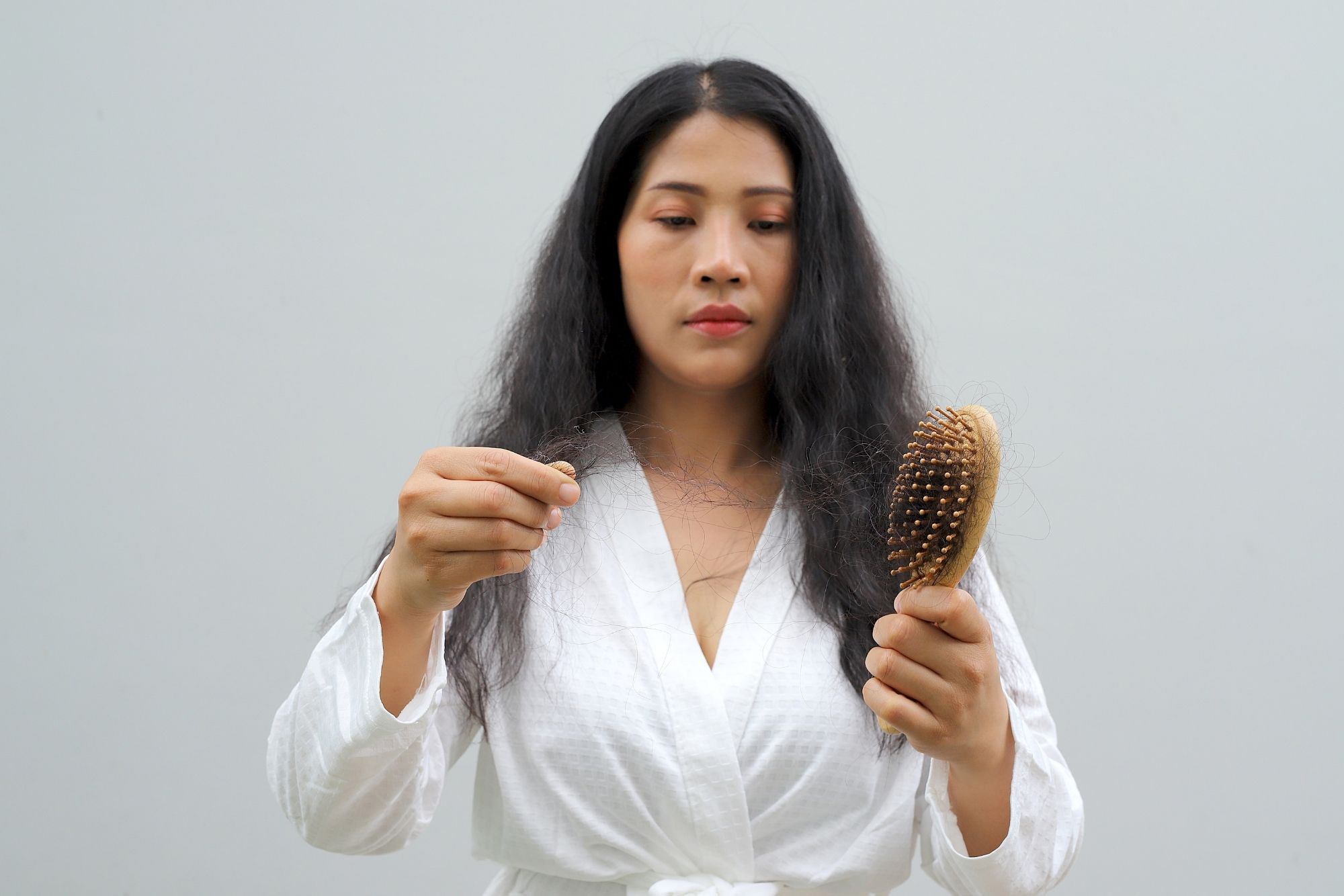
“Why Does My Hair Still Look Frizzy After Flat Ironing?” is a collaborative post.
Those twenty minutes you had just spent doing gentle flat ironing might be over for now. You look into that mirror expecting optimally silky flat-ironed results, but instead, you’re greeted with frizz that seems to have just appeared. Does this sound familiar to you? You are definitely not the only one who has experienced this scenario.
Flat ironing frizzy hair is the tricky part because one would think it is supposed to be straightforward. Several sneaky culprits can stand in the way of your smooth hair dreams – even if you are properly armed with your flat iron. So, let’s go into the factors that cause your hair to still misbehave post-flat ironing and, most importantly, what can really be done about it.
Flat Ironing on Damp Hair: The Hidden Reason Your Hair Still Looks Frizzy
It’s easier to make this mistake than you think. Your hair may feel dry to the touch, but when a hot flat iron hits even the slightest bit of moisture, it will steam the hair instead of smoothing it. That sizzling noise? It’s water turning into steam and giving frizz the ideal atmosphere in which to grow.
The most important thing about flat ironing your hair is to ensure it is always completely dry. Run your fingers through your hair and especially check at the roots, as moisture likes to linger there. If you are in a hurry to apply the flat iron, remember to use the cool shot button on your dryer as a final step to ensure it is bone dry.
Choosing the Right Flat Iron Temperature for Smooth, Frizz-Free Hair
A single flat iron temperature will not suit all hair types. Very high heat on the plate can fry the strands of certain hair types, which damages the cuticle and results in more frizz over time. Conversely, when the flat iron is not hot enough, you have to make many passes over one hair section, which again causes damage and, of course, more frizz.
A temperature of 120 to 150°C is the ideal range for fine or color-treated hair, while thicker, coarser types require temperatures of around 180-200°C. When in doubt about the temperature, start lower and only go higher if needed; this is always gentler on your hair.
How Product Buildup Causes Frizz After Straightening
Some styling products are the wrong choice to put in your hair before ironing. Some products are not designed to take heat; hence, they might leave a sticky residue on the hair which attracts humidity and creates that frightful frizz halo. Sort of like trying to straighten hair coated in a thin layer of glue.
It’s important to select products specifically meant for heat styling. Aside from a good heat protectant, ensure it’s effective enough to shield against heat without weighing the hair down. A quality leave-in conditioner applied before blow-drying can be a big help in the preparation of your hair, as it can infuse the right kind of moisture that will support the heat styling process rather than work against it.
Correct Flat Ironing Technique for Sleek, Shiny, Frizz-Free Hair
When it comes to flat ironing, a bad technique will produce poor results. Sections that are too thick do not receive the heat evenly, and some portions are left smooth, with other portions still wavy or frizzy. Being too slow causes heat damage, whereas going too fast will not straighten the hair effectively.
Work one to two inches of section at a time, moving with the iron from root to tip in one fluid motion. Be careful not to clamp down too much since it may make marks and cause texture irregularities. The right image that comes to my mind is “guiding” the iron instead of “wrestling” with it.
How to Protect Straightened Hair from Humidity and Prevent Frizz
Even if your technique is perfect, in a humid climate or on any damp day, moisture in the air will get inside your hair shafts. Porous hair, or hair that’s in need of repair, acts as a sponge, absorbing the atmospheric moisture.
A finishing serum or anti-humidity spray can help create a protective seal on freshly straightened hair. So, get products with silicones or natural oils designed to seal the cuticle against moisture entering the hair shaft. Always mind that less is more. Applying too much product only results in a look you don’t want: an oily, plastered-down appearance.
Signs You Need a New Flat Iron for Better Straightening Results
Flat irons do not live forever. They can be the cause of frizz – having an old tool can become a problem. Scratched plates that are uneven or not heating properly are not going to give you smooth results, no matter what else you do. If your flat iron is dragging through your hair rather than sliding, it’s probably time to get a new one.
Quality tools, like the Veaudry myStyler, often use ceramic or titanium plates. These offer better heat distribution compared to the cheaper ones, leading to a better result and less damage. It is an investment, and your hair is worth it.
Final Tips: How to Keep Hair Straight and Smooth After Flat Ironing
At this stage, you are just a few tweaks away from achieving the smooth surface you want. Dry the hair properly, use the right temperature for your hair type, apply heat-friendly products, use the correct technique, and finish off with an anti-humidity treatment. Sometimes, these small steps can change everything for your flawless, sleek, and frizz-free finish.
So, what’s the biggest issue you have with flat ironing? Have you learned some golden rule that has really become a makeover for your hair? Please leave your comments – we are truly interested in what worked or didn’t work for you!



Comments are closed.