

“Running On Empty: Recognizing Teen Burnout And Its Lasting Effects” is a collaborative post.
Health is often divided into physical and mental categories. In daily life, these areas are closely linked. The body responds to thoughts, emotions, and habits in ways that affect overall well-being. For families, viewing health as a connected system can lead to better choices and stronger outcomes.
How Behavior Shapes Physical Health
Daily habits have a direct impact on the body. Sleep patterns, food choices, and activity levels influence energy, focus, and immune function. Poor sleep can lead to fatigue and make it harder to stay active or think clearly.
Stress also affects physical health. Ongoing tension can raise heart rate and blood pressure. Over time, this may lead to headaches, muscle pain, or digestive issues.
Children often show these effects in simple ways. Changes in mood, appetite, or sleep can signal that something needs attention.
How Physical Health Affects Behavior
The connection works in both directions. Physical conditions can shape how a person feels and behaves. Ongoing discomfort or illness can lower energy and make it harder to stay positive or engaged.
Nutrition plays a key role. Balanced meals support steady energy and clear thinking. When meals lack important nutrients, children may struggle with focus or feel tired during the day.
Regular movement also supports emotional balance. Physical activity can help reduce stress and improve mood, which supports better behavior at home and school.
The Role of Daily Routines
Consistent routines help connect physical and behavioral health. Regular meal times, steady sleep schedules, and planned activities create structure. This helps the body and mind stay in sync.
Family routines also build a sense of stability. Shared meals, outdoor time, and limited screen use support both physical health and emotional connection.
Small, repeated actions can create lasting habits. These habits support better health for both parents and children.
Supporting Whole Person Care
Healthcare providers are also focusing on connected care. Systems such as an EHR platform allow providers to track both physical and behavioral health information in one place. This helps create a more complete view of a patient’s needs.
Families can support this approach by paying attention to changes in both body and behavior. Early action can prevent small concerns from becoming larger problems.
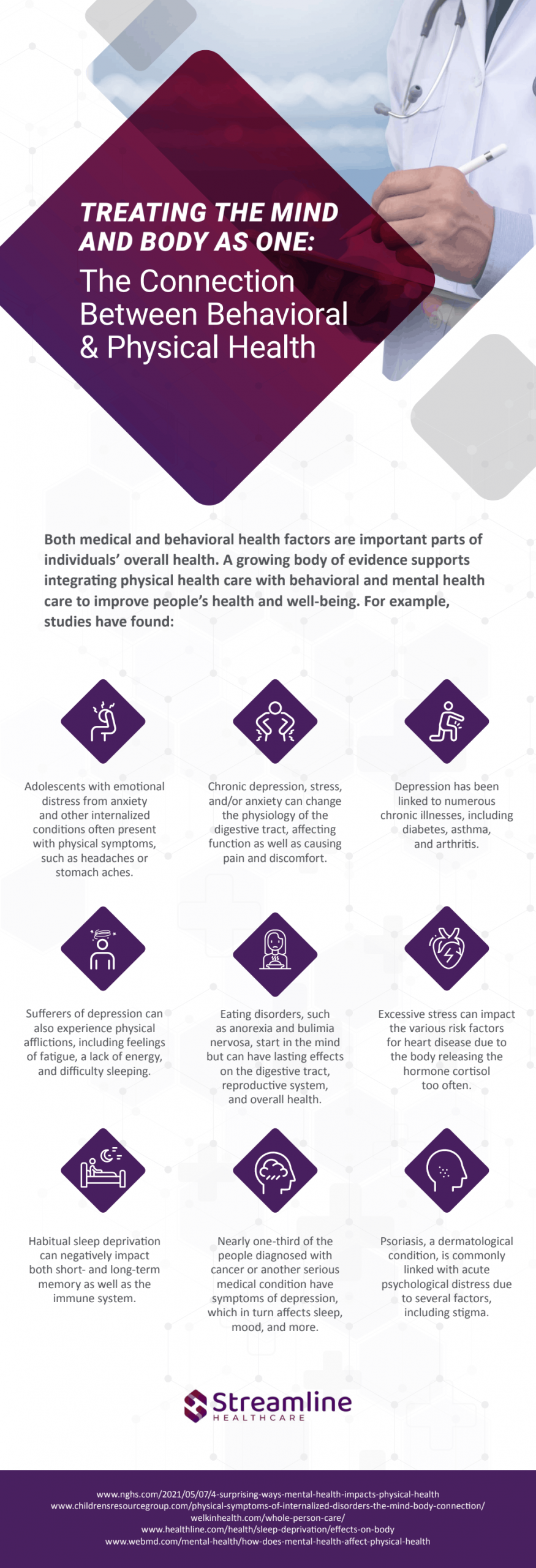
Treating the body as one system helps families make better decisions. When physical and behavioral health are supported together, it leads to stronger daily habits and a more balanced life. For more information, look over the accompanying infographic below.






Comments are closed.