
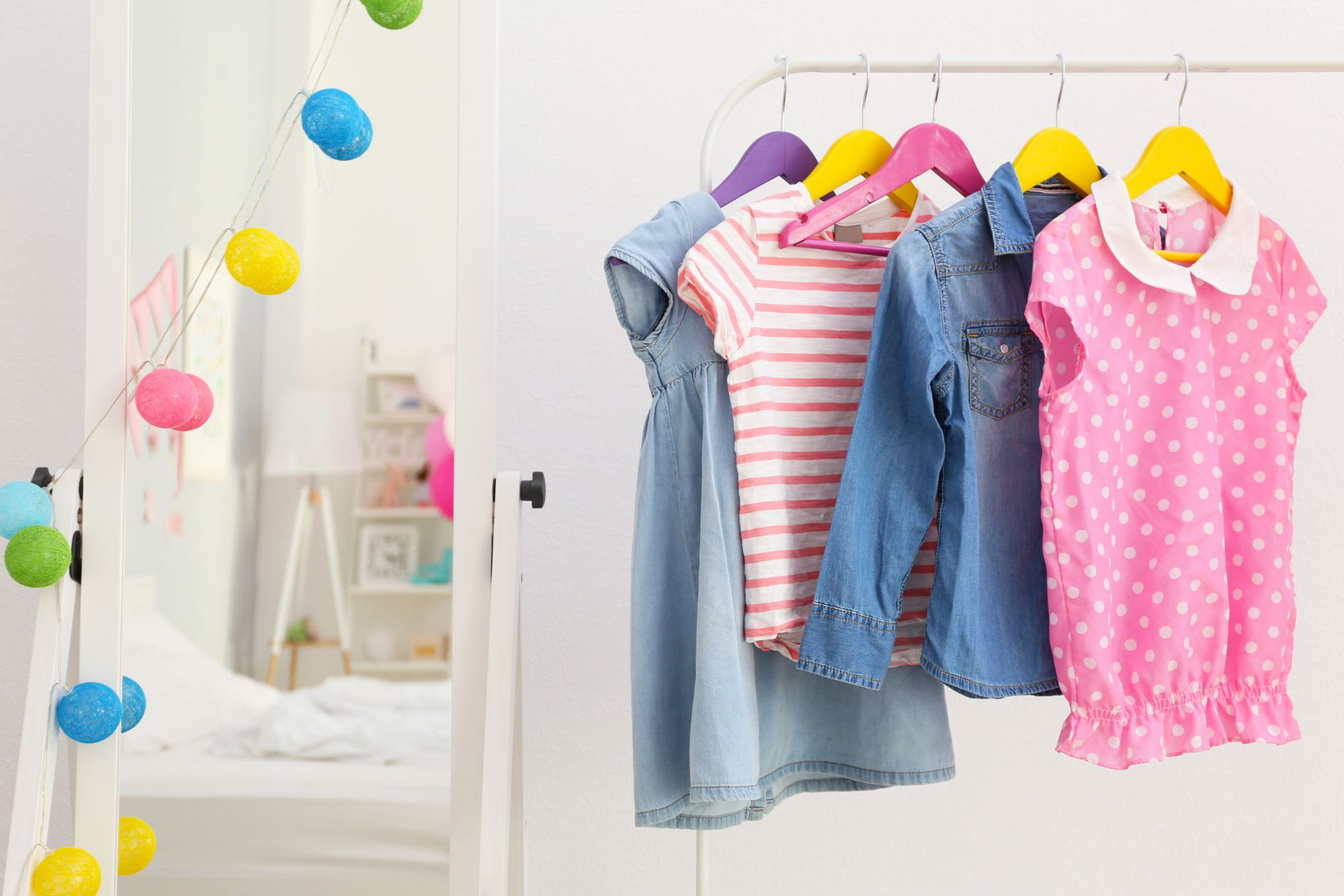
“How to Build a Smaller, Better Kids’ Wardrobe” is a collaborative post.
If you have ever stood in front of an overflowing closet of children’s clothes and realized your child wears the same handful of things on rotation, you are not alone. Kids’ wardrobes have a way of swelling to bursting while the genuinely useful pieces remain a small fraction of the whole. The antidote is not more storage. It is a smaller, better wardrobe, one built around fewer, higher-quality pieces that get worn, loved, and actually used. It is simpler to manage, kinder to the planet, and often easier on your budget too.
The Problem With Too Much
It is easy to accumulate children’s clothing. Gifts, hand-me-downs, sale temptations, and the constant pace of growth all conspire to fill drawers faster than they empty. Before long you have a wardrobe crammed with garments, many barely worn, some never worn at all, and the daily reality of getting dressed becomes harder rather than easier.
A bulging wardrobe is not a sign of abundance so much as a source of friction. Mornings become a hunt through too many options, laundry piles up, and good pieces get lost among the clutter. Children, for their part, almost always gravitate to a small set of favorites, leaving the rest ignored. All that excess adds stress without adding value.
Fewer, Better, Used More
The alternative is a deliberately smaller wardrobe made up of pieces chosen with care. The principle is simple: buy fewer items, choose better ones, and use them more. A compact collection of well-made, comfortable, versatile garments will serve a child far better than a closet full of mediocre ones.
This is where quality genuinely earns its place. Choosing fewer, better-quality children’s clothing pieces that are comfortable, durable, and practical for everyday wear, like those from Firebird Kids, means each item works harder and lasts longer. Clothes that withstand repeated washing and active play, that stay soft and keep their shape, and that a child is happy to wear again and again are exactly what a smaller wardrobe needs. When every piece is one your child actually reaches for, the whole system simply works better.
Comfort and Practicality Above All
For children, the most important qualities in clothing are comfort and practicality. A child needs to be able to run, climb, play, and get messy without their clothes getting in the way. Garments that are soft, flexible, and easy to move in, with simple fastenings a child can manage themselves, are the ones that earn a permanent place in the wardrobe.
Practicality also means clothes that suit real, everyday life rather than special occasions that rarely come around. The pieces that get the most wear are the comfortable, hard-wearing everyday staples, and these are exactly the ones worth investing in. A smaller wardrobe built around such pieces means almost everything in it is genuinely useful.
Better for the Planet, Too
There is a meaningful environmental dimension to buying fewer, better clothes. The volume of clothing produced and discarded each year is staggering, and children’s clothing, outgrown so quickly, contributes its share. Choosing durable garments, wearing them fully, and passing them on extends their useful life and reduces waste.
Organizations such as the Ellen MacArthur Foundation, which promotes a more circular approach to fashion through the Ellen MacArthur Foundation, highlight how buying better and using clothing longer can dramatically cut the waste associated with the way we currently consume. A smaller, higher-quality wardrobe is one small, practical way for a family to take part in that shift, and durable pieces are far easier to hand down to siblings or friends when they are finally outgrown.
Making It Work Day to Day
A smaller wardrobe is easier to live with in countless small ways. Getting dressed is quicker when there are fewer, better options. Laundry is more manageable. The closet stays tidy. And because everything in it is something your child likes and will wear, there is less waste and less frustration all round.
Maintaining it is straightforward. Regularly sort out what no longer fits, resist the impulse to over-buy, and replace pieces thoughtfully rather than accumulating them. A capsule approach, where most items coordinate easily, makes the wardrobe even more flexible and the mornings even smoother.
Less Really Is More
Building a smaller, better kids’ wardrobe is one of those rare changes that improves life on almost every front. It saves money over time, reduces waste, simplifies daily routines, and ensures your child is dressed in comfortable, practical clothes they actually enjoy wearing.
It asks only for a small shift in thinking, from more and cheaper to fewer and better. Make that shift, and the overflowing closet gives way to something calmer and more useful: a wardrobe where every piece earns its place. For your child, your sanity, and the planet, less really can be more.






Comments are closed.