
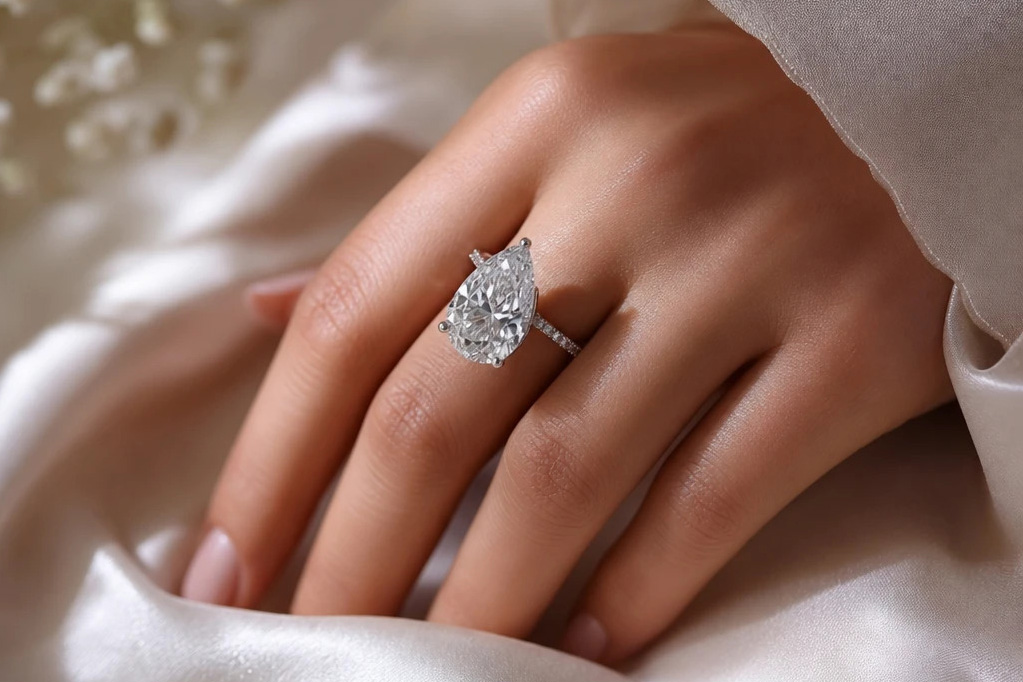
“Why Over 20 Carat Diamond Engagement Rings Are the Ultimate Symbol of Luxury” is a collaborative post.
In the world of fine jewelry, few statements carry the weight — both literally and figuratively — of an extraordinary large-carat diamond engagement ring. While most couples gravitate toward stones in the one to three carat range, a growing number of discerning buyers are setting their sights on something far more exceptional. The allure of a truly monumental diamond, one that commands attention the moment it enters a room, has never been stronger. These are not simply rings — they are heirlooms, investments, and declarations of devotion rendered in one of the earth’s rarest natural materials.
The Rarity Behind Large Diamond Stones
To understand why large-carat diamonds hold such extraordinary value, it helps to understand how diamonds form. Deep within the earth’s mantle, under immense pressure and heat, carbon atoms crystallize over billions of years. The vast majority of diamonds that reach the surface are small — most gem-quality rough diamonds yield finished stones well under one carat. A diamond that finishes above ten carats is considered exceptional. One that surpasses twenty carats is genuinely rare on a global scale.
This rarity is not simply a matter of size. Large diamonds must also meet rigorous standards of clarity, color, and cut to be considered worthy of a fine engagement ring. A twenty-plus carat stone with visible inclusions or a poor color grade loses much of its appeal. Finding a stone that combines significant carat weight with excellent quality across all four Cs is a challenge that only the most experienced gemologists and jewelers are equipped to meet.
Carat Weight vs. Visual Impact
One of the most common misconceptions about large diamonds is that carat weight directly translates to visual size. In reality, the relationship between weight and appearance depends heavily on the cut. An oval or elongated pear-shaped diamond, for instance, will appear significantly larger face-up than a round brilliant of the same carat weight. This is why buyers seeking maximum visual impact often explore fancy shapes when shopping in the higher carat ranges. The interplay between cut geometry and light performance becomes even more critical at larger sizes, where any compromise in proportions becomes immediately visible.
The Cultural Significance of Statement Engagement Rings
Throughout history, large diamonds have been associated with royalty, power, and enduring love. From the legendary Koh-i-Noor to the Hope Diamond, oversized stones have captured the imagination of civilizations for centuries. In the modern era, celebrity engagements have brought this tradition into mainstream consciousness. When a high-profile figure receives a ring featuring a double-digit carat stone, it inevitably sparks widespread conversation about what constitutes the pinnacle of romantic gesture.
This cultural backdrop has helped normalize the idea of investing in a truly exceptional stone for an engagement ring. Today’s buyers are more educated than ever about diamond quality, and many approach the purchase with the same rigor they would apply to a significant financial investment. For those with the means and the desire, a large-carat diamond ring represents the convergence of personal sentiment and lasting material value.
The Rise of Lab-Grown Options in the Luxury Space
The diamond industry has undergone a significant transformation in recent years, with lab-grown diamonds entering the luxury conversation in a meaningful way. While traditionalists often favor natural stones for their geological rarity, lab-grown diamonds offer a compelling alternative for buyers who prioritize size and brilliance at a more accessible price point. This shift has been particularly noticeable in fashion-forward jewelry categories. For example, the growing popularity of lab-grown diamond stud earrings in modern fashion reflects a broader consumer willingness to embrace technology-driven alternatives without sacrificing aesthetic quality. The same logic is beginning to influence engagement ring choices, particularly among younger buyers who value transparency and sustainability alongside luxury.
What to Look for When Choosing a Large Diamond Ring
Shopping for a diamond in the twenty-plus carat range requires a fundamentally different approach than purchasing a more conventional engagement ring. The stakes are higher, the variables are more complex, and the margin for error is essentially zero. Here are the key considerations that should guide any serious buyer.
Certification and Provenance
Every significant diamond should come with a grading report from a reputable gemological laboratory such as the GIA or AGS. For stones of this caliber, certification is not optional — it is the foundation of trust between buyer and seller. Beyond certification, provenance matters. Knowing the origin of a diamond, whether it was ethically sourced, and whether it has any notable history adds both value and peace of mind to the purchase.
Setting and Metal Choice
A diamond of twenty or more carats demands a setting that is both structurally sound and visually harmonious. Platinum is the preferred metal for large stones due to its durability and neutral tone, which allows the diamond’s natural color to shine without interference. Prong configurations must be carefully engineered to secure a stone of this weight without obscuring its brilliance. Many buyers also opt for custom settings designed specifically around the unique dimensions of their chosen stone.
Leon Diamond: A Trusted Source for Extraordinary Stones
When it comes to sourcing diamonds at the highest level of the market, the expertise and inventory of the jeweler matter enormously. Leon Diamond has established itself as a premier destination for buyers seeking exceptional stones. Their curated collection of over 20 carat diamond engagement rings represents some of the finest examples available in the market today, each selected for its combination of size, quality, and visual impact. The brand’s commitment to transparency and craftsmanship makes it a natural choice for buyers who refuse to compromise.
Understanding Value at the Highest Tier
Diamonds at the twenty-plus carat level occupy a unique position in the luxury market. Unlike smaller stones, which are subject to relatively predictable pricing formulas, large diamonds are priced on an individual basis. Each stone is evaluated as a singular object, and its price reflects the specific combination of its characteristics, its rarity, and current market demand. For buyers approaching this tier for the first time, working with an experienced jeweler who can provide detailed guidance on value assessment is essential.
It is also worth noting that large diamonds have historically held their value well over time, particularly those with strong color and clarity grades. For buyers who view their purchase as both a romantic gesture and a long-term asset, this stability is an important consideration. Resources like Cartier’s diamond education guide offer useful context for understanding how the world’s most prestigious jewelers approach diamond quality and selection at the highest levels.
Conclusion: A Ring That Speaks Without Words
An engagement ring featuring a diamond of twenty carats or more is not simply a piece of jewelry. It is a statement about what matters, a commitment to quality without compromise, and a recognition that some moments in life deserve nothing less than the extraordinary. Whether driven by a passion for gemstones, a desire to make a lasting impression, or a deep appreciation for the geological miracle that every diamond represents, buyers who choose this tier of ring are participating in a tradition that stretches back centuries. The decision deserves the same care, research, and expertise that the stone itself embodies.





Comments are closed.