
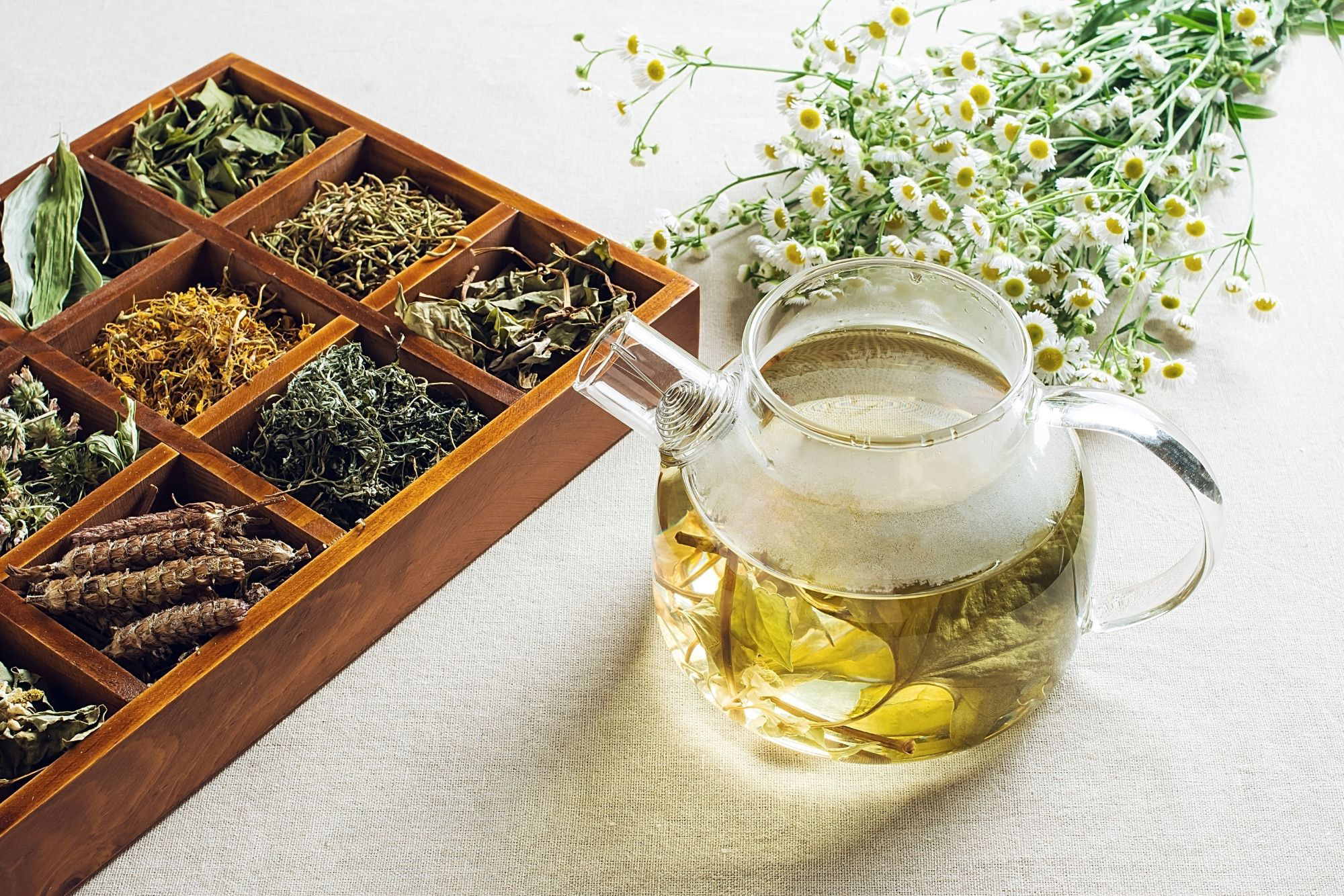
“A Gentle Approach to Digestive Relief with Herbal Tea for Diarrhoea” is a collaborative post.
Digestive issues don’t always build gradually—sometimes they appear suddenly and disrupt your entire day. Diarrhoea, in particular, can leave you feeling drained, uncomfortable, and unsure of how to support your body without making things worse.
In these moments, the body is often trying to restore balance on its own. Instead of forcing immediate change, gentle support tends to be more effective.
That’s why many people turn to herbal tea for diarrhoea as part of a calming and simple approach, helping the digestive system settle while allowing your body to regulate naturally over time.
When Your Digestion Feels Out of Balance
Diarrhoea is often a response rather than a problem in itself. It can happen when your body reacts to something it needs to process quickly—whether that’s food, stress, or environmental changes.
Because digestion is closely connected to the nervous system, emotional stress can also influence how your gut behaves. When your body feels unsettled, digestion may speed up, leading to loose or frequent bowel movements.
In many cases, this is temporary. However, repeated episodes can indicate that your digestive system is more sensitive than usual or reacting to patterns that haven’t been fully addressed.
During times like this, many people explore simple and familiar options such as herbal tea blends to support digestion gently without overwhelming the system. This approach focuses on working with the body rather than pushing it in a specific direction.
What You Might Notice
When your digestion is unsettled, symptoms often extend beyond just frequent bowel movements. You may also experience:
- Frequent trips to the bathroom with loose stools
- A sense of urgency that appears quickly
- Mild to moderate abdominal discomfort or cramping
- Bloating or irregular digestive sensations
- Low energy or fatigue throughout the day
- A general feeling of depletion or imbalance
These signs are often your body’s way of signalling that it needs support, rest, and time to recover.
Why Herbal Tea Works in These Moments
Herbal tea supports your body in a way that feels steady rather than forceful.
Certain herbs are traditionally used to calm irritation in the digestive system, helping the gut feel more settled. Instead of stopping symptoms abruptly, they help your body regulate itself more naturally.
Warm liquids also play an important role. Staying hydrated is essential during digestive upset, and herbal tea provides hydration in a form that’s gentle on the stomach. This can be especially helpful when your system feels sensitive.
There’s also a noticeable difference when you slow down. Taking a few minutes to sip tea without distractions creates a calming effect that supports both digestion and your nervous system.
This is one reason why herbal tea for diarrhoea is often included in simple routines. Over time, these small habits can help your system feel more stable and supported.
Herbs That Are Commonly Used
Some herbs are consistently used when digestion feels sensitive or unsettled:
Chamomile – known for calming both the digestive system and the nervous system, especially when stress plays a role
Peppermint – helps relax the digestive tract and may reduce discomfort or pressure
Ginger – supports digestion while easing nausea and providing gentle warmth
Fennel – traditionally used to reduce bloating and support smoother digestion
Licorice Root – often used to soothe the digestive lining and support recovery
These herbs are often combined in blends to provide a more balanced and supportive effect rather than focusing on a single symptom.
A Simple Way to Approach Herbal Blends
When your digestion feels unsettled, simplicity often works best.
Herbal blends designed for digestive comfort usually combine calming and balancing herbs, making them easier to use consistently. This removes the need to choose individual ingredients while still providing steady support.
Some people reach for these blends during active symptoms, while others include them as part of their routine to help maintain balance over time.
The key is consistency rather than intensity. Supporting your digestive system regularly can help reduce the likelihood of recurring discomfort.
How to Use Herbal Tea When Symptoms Appear
When using herbal tea for diarrhoea, a gentle and mindful approach tends to work best.
Instead of drinking large amounts at once, smaller and more frequent cups are often easier for your body to handle. This allows your system to absorb the benefits gradually.
Warm tea is usually more soothing than cold drinks, especially when your stomach feels sensitive.
Taking your time while drinking can also make a difference. When you slow down, your body is more likely to relax, which can support digestion more effectively.
As symptoms begin to settle, continuing with a lighter routine may help maintain stability and prevent further discomfort.
Supporting Your Body Beyond Tea
Herbal tea can be helpful, but it works best alongside supportive daily habits.
Staying hydrated throughout the day is essential, especially when your body is losing fluids more quickly. Drinking water alongside herbal tea helps maintain balance.
Choosing light, easy-to-digest foods can reduce strain on your digestive system while it recovers. Avoiding overly rich, greasy, or processed foods may also help your body settle more smoothly.
Rest is another important factor. Giving your body time to recover allows your digestive system to return to its natural rhythm.
Managing stress can also make a noticeable difference. Since your gut and nervous system are closely connected, reducing tension can help your body stabilise more easily.
These small, consistent choices often support a smoother and more comfortable recovery.
Knowing When to Get Extra Help
Occasional digestive upset is common, but it’s important to pay attention if symptoms persist or become more intense.
If diarrhoea continues longer than expected, worsens over time, or is accompanied by significant fatigue or discomfort, seeking professional advice is the best step.
This is especially important if you have underlying conditions, are taking medications, or are pregnant or breastfeeding. A qualified practitioner can help guide you safely and appropriately.
Herbal tea can be part of your support system, but it works best alongside proper care when needed.






Comments are closed.