
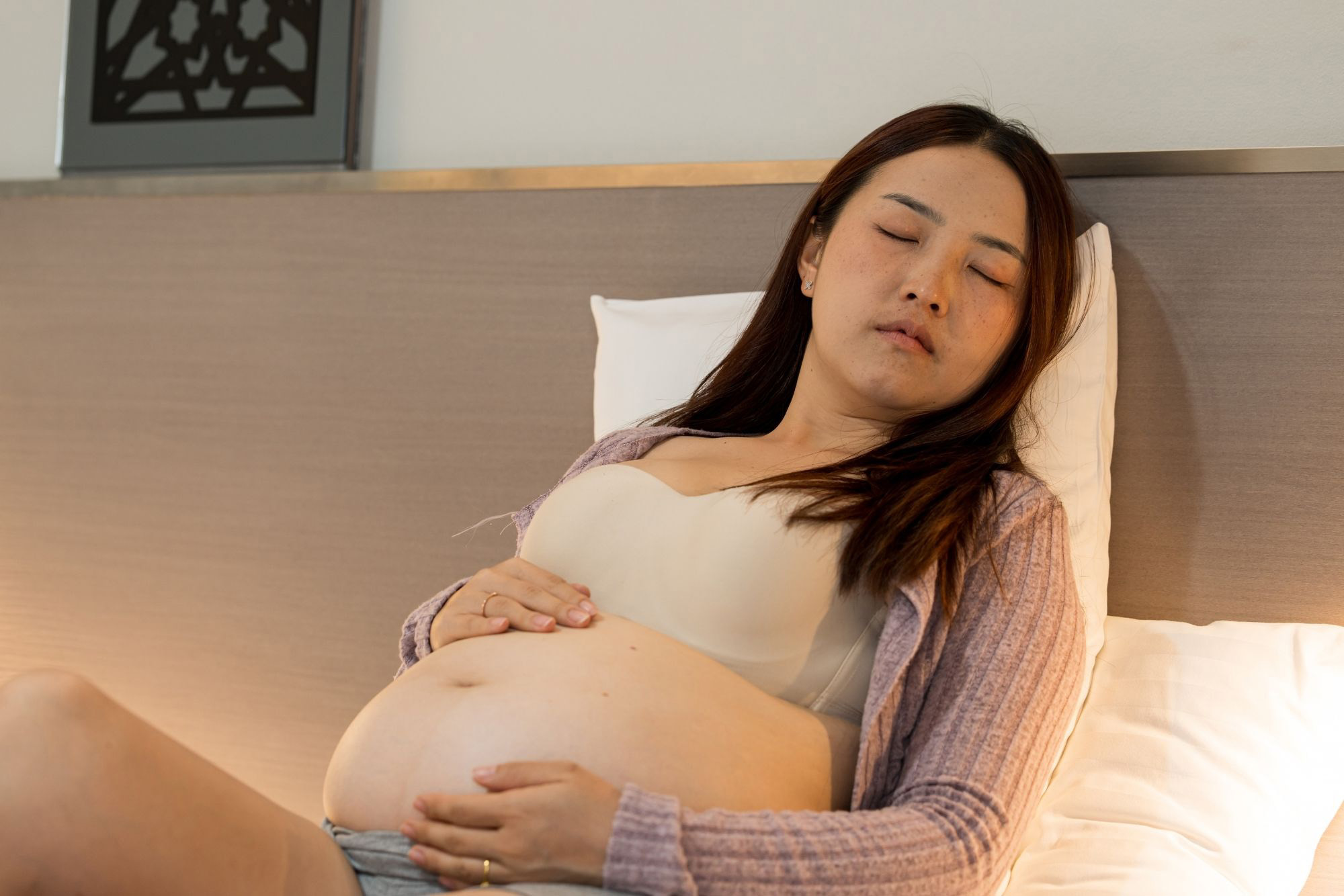
“The Ultimate Guide to Restful Sleep and Body Alignment During Pregnancy” is a collaborative post.
Sleep is essential for maintaining physical endurance, emotional balance, and cellular repair. However, for expectant mothers, obtaining a restorative night of rest often feels like an uphill battle. As the human body undergoes profound anatomical and hormonal shifts, standard sleeping habits are frequently disrupted. Hormonal surges, particularly elevated progesterone levels, can induce daytime fatigue while simultaneously disturbing nighttime sleep cycles. Concurrently, rapid abdominal expansion shifts the center of gravity, placing unprecedented mechanical strain on the lower back, hips, and pelvic joints. Achieving consistent comfort requires an intentional strategy centered on ergonomic support, proper spinal alignment, and proactive physical management. Utilizing a dedicated pregnancy pillow can offer targeted structural support, alleviating pressure on key anatomical points and helping expectant mothers maintain safer, more comfortable side-sleeping positions throughout every trimester.
Understanding the Physical Changes Affecting Maternal Sleep
To resolve sleep disturbances during pregnancy, one must first understand the physiological mechanisms at play. From the moment of conception, the musculoskeletal system begins preparing for the growing fetus and eventual delivery. The endocrine system releases relaxin, a hormone designed to loosen ligaments within the pelvis. While necessary for childbirth, relaxin affects ligaments throughout the entire body, leading to joint hypermobility, instability, and a higher susceptibility to muscle strain.
As weight accumulates in the anterior abdominal region, the natural lordotic curve of the lumbar spine increases. To compensate for this forward pull, the muscles of the lower back, gluteal region, and legs must work continuously, even during periods of rest. Without adequate physical support during sleep, these overextended muscles remain tense, resulting in chronic stiffness, night cramps, and fragmented rest.
The Impact of Fluid Retention and Circulation
Beyond structural shifts, circulatory changes significantly influence maternal rest. Systemic blood volume increases by up to fifty percent during pregnancy to nourish the developing placenta. This massive increase in fluid often leads to localized edema, particularly in the lower extremities. When lying flat on one’s back, the weight of the expanding uterus can compress the inferior vena cava—the large vein responsible for returning blood from the lower body to the heart. This compression can cause a sudden drop in blood pressure, dizziness, reduced fetal oxygenation, and intensified restless legs sensation.
Analyzing Trimester-by-Trimester Sleep Challenges
Every pregnancy is unique, yet sleep patterns generally follow distinct trends across the three trimesters. Understanding these transitions enables expectant mothers to adapt their sleep environment preemptively.
The First Trimester: Hormonal Volatility and Early Discomfort
The primary drivers of sleep disruption in early pregnancy are hormonal rather than mechanical. Rising progesterone levels frequently cause sudden bouts of extreme daytime somnolence paired with nocturnal insomnia. Furthermore, increased renal blood flow accelerates urine production, necessitating multiple trips to the bathroom throughout the night. Early tender breast tissue can also make traditional stomach-sleeping positions uncomfortable early on.
The Second Trimester: The Anatomical Pivot
Often referred to as the golden phase of pregnancy, the second trimester usually brings a surge of energy and a reduction in early nausea. However, this is also when the physical bump becomes prominent. Side sleeping becomes a medical recommendation rather than a mere preference. As the abdomen expands, lying on the side without support causes the upper leg to drop forward, twisting the lower spine and pulling on the sacroiliac joints.
The Third Trimester: Peak Mechanical Strain
During the final months, physical discomfort reaches its peak. Fetal movement, diaphragmatic restriction caused by the upward pressure of the fetus, gastroesophageal reflux, and acute pelvic pain frequently disrupt sleep. Finding a stable position that balances respiratory comfort, gastric relief, and joint decompression becomes the central challenge of nightly routine.
Mastering Optimal Pregnancy Sleep Positions
Positioning is the single most critical factor in achieving restorative rest while safeguarding maternal and fetal health. Medical professionals overwhelmingly advocate for side sleeping, specifically on the left side, as the gold standard for pregnancy ergonomics.
The Science of Left-Side Sleeping
Sleeping on the left side offers distinct physiological advantages:
- Maximized Uterine Blood Flow: Left-side positioning keeps the heavy uterus clear of the inferior vena cava and abdominal aorta, ensuring optimal nutrient and oxygen transport to the placenta.
- Enhanced Renal Function: By reducing pressure on the internal organs, blood flow to the kidneys is optimized, promoting efficient fluid filtration and reducing extremity swelling.
- Improved Digestion: The natural orientation of the stomach renders left-side sleeping effective at reducing the upward reflux of stomach acid into the esophagus.
Managing the Right-Side Alternative
While left-side sleeping is ideal, remaining strictly in one position all night is impractical and can cause localized hip soreness. Alternating between the left and right sides is entirely acceptable, provided the body is properly balanced with supportive cushioning to keep the pelvis neutral.
The Risks of Supine and Prone Positions
- Prone Sleeping (Stomach): Becomes physically unviable as the abdomen expands and can cause severe hyperextension of the lumbar spine.
- Supine Sleeping (Back): After twenty weeks of gestation, prolonged back sleeping increases the risk of vena cava compression, lower back pain, hemorrhoids, digestive slowness, and impaired maternal circulation.
Targeted Relief for Common Pregnancy Aches
Pelvic Girdle Pain (PGP) and Symphysis Pubis Dysfunction (SPD)
Pelvic Girdle Pain affects a significant percentage of expectant mothers. It presents as sharp, radiating discomfort across the pubic bone, sacroiliac joints, and inner thighs. PGP occurs when pelvic joints move unevenly due to ligamentous laxity.
To minimize PGP flare-ups during rest:
- Maintain Pelvic Symmetry: Keep knees and hips aligned in a parallel stack when lying down. Never allow the top knee to drop forward onto the mattress, as this rotates the pelvis and aggravates joint inflammation.
- Support the Lower Limb: Place a firm, contoured cushion between the legs from the knees down to the ankles. Elevating the entire lower leg prevents pelvic twisting and distributes weight evenly.
- Log-Roll Movement: When turning over or getting out of bed, squeeze the knees together and roll the torso and hips as a single unit to prevent pelvic torsion.
Lower Back Pain and Sciatica
As the abdominal wall stretches, the deep core muscles lose their ability to support the spine. The lumbar spine curve deepens, compressing the intervertebral discs and occasionally impinging the sciatic nerve, leading to sharp, shooting pain down the glutes and legs.
To alleviate spinal pressure:
- Tuck a supportive wedge or contoured cushion beneath the lower belly to counteract the forward gravitational pull on the lumbar region.
- Ensure the neck and upper shoulders are supported at an angle that keeps the entire spinal column in a straight, neutral line from the base of the skull down to the tailbone.
Gastroesophageal Reflux Disease (GERD) and Heartburn
Progesterone relaxes the lower esophageal sphincter, allowing gastric acids to escape upward. Combined with the physical pressure of the uterus pressing against the stomach, nighttime heartburn is common.
To reduce nighttime acid reflux:
- Elevate the upper torso slightly using a sloped support pillow rather than stacking standard pillows, which can bend the neck unnaturally and increase intra-abdominal pressure.
- Avoid eating large meals within three hours of going to sleep, and favor side-sleeping on the left side to keep the gastroesophageal junction elevated above the pool of gastric acid.
Ergonomic Support Solutions: Selecting the Right Configuration
Standard bed pillows are designed to support only the head and neck, offering insufficient surface area and density to hold the pregnant body in proper alignment. Specialized support designs provide continuous contouring across multiple contact points simultaneously.
| Design Type | Primary Target Area | Ideal For | Structural Advantage |
| U-Shaped | Full Body (Front, Back, Head, Legs) | Restless sleepers, back-sleepers transitioning to side | Equal support on both sides; no need to shift pillow when turning |
| C-Shaped | Head, Abdomen, Knees | Compact spaces, targeted front/back support | Enfolds the body efficiently; provides dedicated neck and knee support |
| J-Shaped | Head, Back or Abdomen, Feet | Medium beds, targeted support | Provides full-length support while taking up less space than a U-shape |
| Wedge | Localized (Belly or Back) | Travel, minimal support needs, heartburn elevation | Highly portable; offers direct targeted lift under the bump or behind the back |
Key Materials and Density Considerations
When selecting support tools, material choice directly influences thermal regulation and long-term structural integrity:
- Memory Foam: Excellent for pressure point relief and tailored contouring, though high-density variants must feature cooling channels or gel infusions to prevent heat retention.
- Polyfiber Filling: Hypoallergenic, highly breathable, and easily adjustable. High-loft polyfill offers a firm yet cushioned balance suitable for supporting heavy limbs.
- Breathable Covers: Natural cotton, bamboo-derived viscose, or cooling performance weaves are critical for wicking away moisture and regulating body temperature during night sweats.
Practical Sleep Hygiene Strategies for Expectant Mothers
Physical support is only one part of the equation. Establishing a consistent, soothing sleep routine reinforces circadian rhythms and signals to the nervous system that it is time to rest.
1. Optimize the Thermal Environment
Pregnant women experience a slight increase in core body temperature due to elevated metabolic activity and blood volume. Keep the bedroom ambient temperature cool—ideally between 15 and 19 degrees Celsius (60 to 67 degrees Fahrenheit). Use layered, breathable bedding made from natural fibers to adjust warmth as needed throughout the night.
2. Implement a Wind-Down Protocol
Digital devices emit blue light that suppresses natural melatonin secretion. Replace screen time during the hour before bed with non-stimulating activities:
- Take a warm (not hot) bath infused with Epsom salts to relax tense muscular structures.
- Perform gentle pre-natal stretching or yoga focusing on hip openers and gentle thoracic spine rotations.
- Practice slow, diaphragmatic breathing exercises to stimulate the parasympathetic nervous system and lower the heart rate.
3. Hydration and Nutritional Timing
Maintain high fluid intake throughout the morning and afternoon to prevent leg cramps and support amniotic fluid volumes. Taper off fluid consumption two hours before bedtime to reduce the frequency of nocturnal bathroom visits. Additionally, a light, complex-carbohydrate snack (such as whole-grain toast or an banana) before bed can stabilize blood sugar levels and prevent early-morning nausea or sleep disruptions caused by hypoglycemia.
Maintaining Restful Sleep Through Every Stage
Achieving comfortable, restorative sleep during pregnancy requires a thoughtful combination of physiological understanding, physical positioning, and supportive ergonomics. As your body changes week by week, listen closely to its signals. Proactively adjusting your sleep setup—aligning the spine, cradling the expanding abdomen, and neutralizing pelvic stress—protects long-term musculoskeletal health and ensures you remain energized, balanced, and prepared for the journey of motherhood ahead.





Comments are closed.