
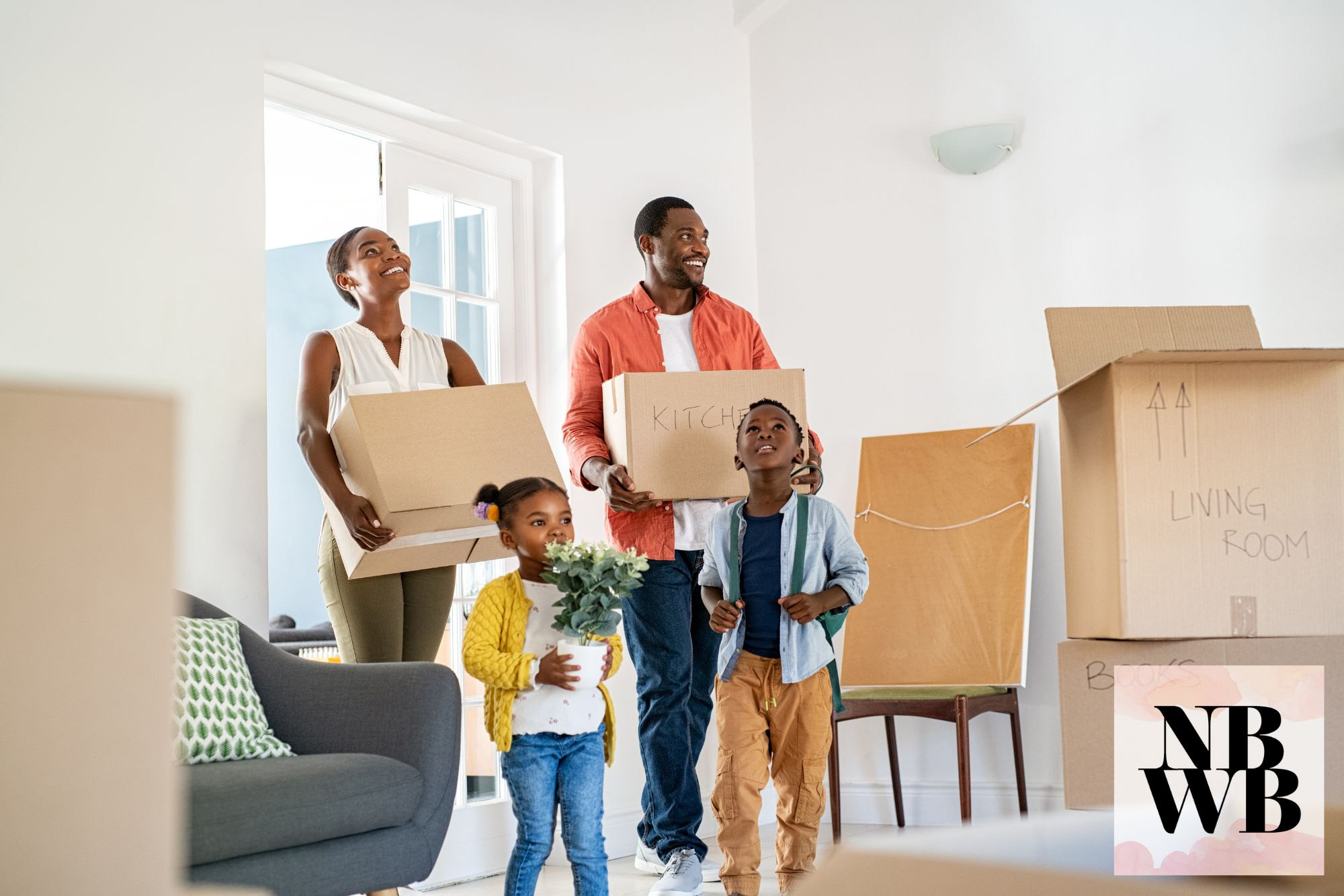
“What Families Carry When They Move: The Objects That Make a New Place Feel Like Home” is a collaborative post.
Families moving house usually bring a handful of objects that carry the memory of the old home with them, and those tend to make a new place feel familiar before any furniture has been arranged. A child’s blanket, a framed photograph, a set of mugs or the kitchen table that has seen years of homework can matter far beyond what they cost, so they deserve a plan of their own when the packing starts.
Decide What Stays Within Reach
Ask each person to name the few things they’d want in the room on the first night, and let children choose without any editing. Older children and teenagers often pick items adults wouldn’t expect, and that is worth respecting. Because treasured belongings can give real comfort to adults as well as children, a worn jumper or a favourite mug isn’t clutter to be talked out of the box.
Keep that group in a bag or box that travels in the family car rather than the removal van, and unpack it before anything else. Having the bedding, the comfort toy and the bedside lamp in place by bedtime gives everyone a familiar corner while the rest of the house is still in boxes.
Protect Fragile and Treasured Items in Transit
Fragile and sentimental pieces travel best when someone experienced packs them, and a home removals service can wrap, crate and load glass, framed pictures and china with materials most households don’t keep to hand. For anything you pack yourself, a few habits protect it well.
Wrapping: Wrap each item separately in paper first and then in bubble wrap, and stuff hollow pieces like vases and jugs with crumpled paper so they keep their shape if the box is knocked. Plates travel best on their edge rather than flat, with a layer of padding between each one.
Padding: Spare linen, towels and pillows make good padding around framed pictures and china, and every gap in a box needs filling so nothing slides about when the van brakes. Heavier items go at the bottom and lighter ones on top, which also keeps each box easy to lift.
Labelling: Mark the box as fragile on at least two sides and write the room on it, so whoever unloads knows which boxes go on top of the pile and which go straight upstairs. Numbering the boxes and keeping a short list in a notebook also makes it obvious if one is missing along the way.
Cover: Check whether your contents insurance covers accidental damage during the move, especially for pieces that couldn’t be replaced, and photograph valuable items before they’re packed. Jewellery, documents and small keepsakes are better kept with you in the car than loaded into the van.
Once the boxes are open, put the familiar things where the family will see them first, like the photograph on the shelf and the blanket on the bed, and leave the rest of the unpacking for later. The house will take weeks to organise, but those few objects let everyone feel at home from the first evening.





Comments are closed.