
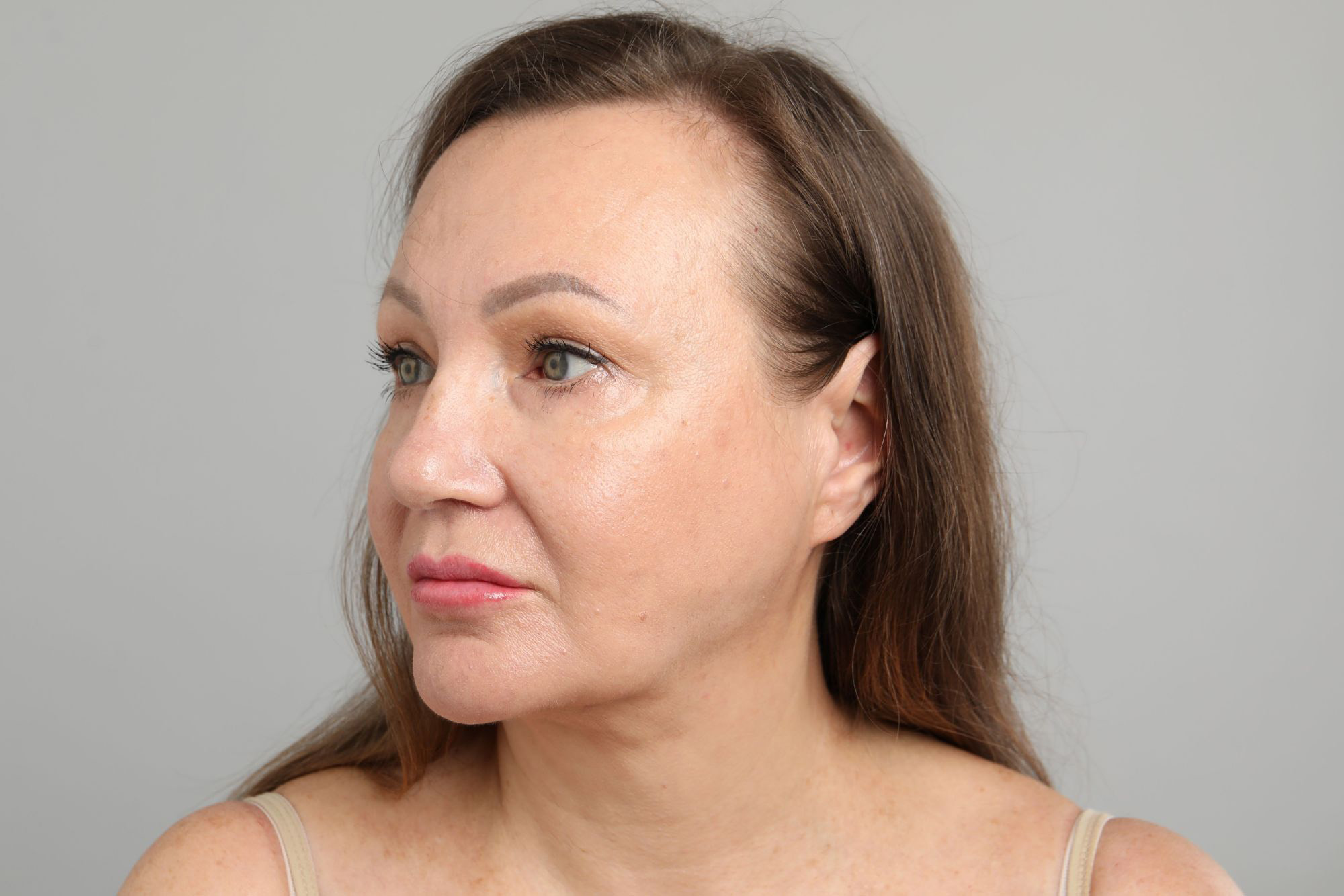
“Types of Facelifts: A Complete Overview of Facial Rejuvenation Options” is a collaborative post.
As people age, the skin naturally loses strength and elasticity. This change can lead to wrinkles, loose skin, and sagging around the face and neck. For many individuals, these signs of aging can affect confidence.
Facelifts have become a trusted option for those who want a refreshed and youthful look. With several options available, understanding the types of facelifts can help you choose what works best for your goals.
Read more to see how it all comes together.
What a Facelift Is and How It Works
Rhytidectomy, commonly called a facelift, is a cosmetic procedure that addresses aging in the face and neck. Its purpose is to restore firmness and smoothness rather than alter your overall appearance.
Some facelifts involve surgery, while others use non-surgical methods. Each approach targets loose skin, wrinkles, and facial contours in different ways. Learning how these methods work can help you feel more confident about your decision.
Traditional Facelift Explained
The traditional facelift is the most complete option. It is often chosen by people with moderate to severe sagging. During the procedure, a surgeon makes small incisions near the hairline and around the ears.
The skin is gently lifted, tightened, and reshaped. Extra triggering skin is removed to create a smoother look. This method provides long-lasting results and can greatly improve deep wrinkles and loose skin in the lower face and neck.
Mini Facelift for Subtle Changes
A mini facelift is a less invasive option. It is designed for people who have early signs of aging. The incisions are smaller, and the recovery time is shorter.
This procedure focuses on areas like the jawline and lower cheeks. Many people choose a mini facelift because it offers noticeable improvement without major surgery. Results are more subtle, making it a good choice for those who want a refreshed look without a dramatic change.
Non-Surgical Facelift Options
Non-surgical facelifts are growing in popularity. These treatments include dermal fillers, laser therapy, and thread lifts. They do not require incisions or general anesthesia.
Instead, they focus on improving skin texture, adding volume, and lifting specific areas. Results are usually temporary, but recovery time is very short. Many people return to daily activities the same day.
These options are ideal for those who want mild improvement or are not ready for surgery.
Choosing the Right Facelift for You
The best facelift option depends on your age, skin condition, and personal goals. Some people want long-term results, while others prefer small changes with little downtime. It is important to have realistic expectations.
A facelift can refresh your appearance, but it cannot stop aging completely. A consultation with a qualified and experienced plastic surgeon can help you understand what results are possible and which method suits you best.
Recovery and Aftercare Expectations
Recovery varies based on the type of facelift chosen. Surgical facelifts usually involve swelling and bruising that improve over one to two weeks. Full healing may take several months. Non-surgical treatments have little to no downtime.
Following your surgeon’s aftercare instructions is key to good results. Proper rest, gentle care, and follow-up visits all play an important role in healing.
Types of Facelifts: Moving Toward a Refreshed Appearance
Facelifts offer many ways to restore a youthful look. Whether you choose surgery or a non-surgical option, understanding the types of facelifts makes the process less stressful.
With the right guidance and a personalized plan, you can take a confident step toward looking as young as you feel. Don’t stop here. Explore our blog for more expert advice and ideas!






Comments are closed.