
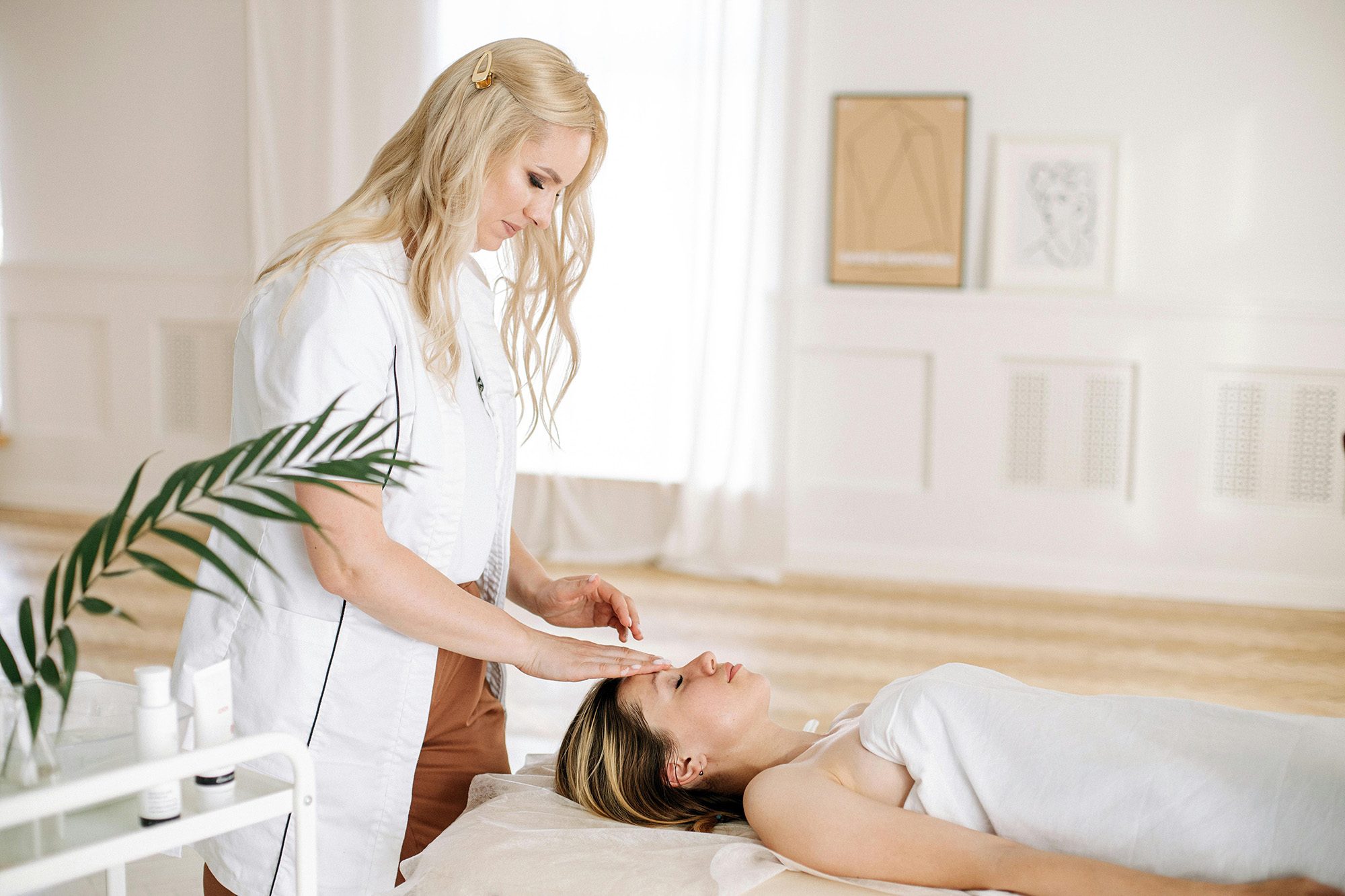
“Modern Wellness Treatments That Support a Healthy Lifestyle” is a collaborative post.
Wellness looks a lot different today than it did even a decade ago. People now have more choices than ever when it comes to treatments that support both physical health and mental balance. From stress relief to pain management, modern wellness services can play a real role in helping you feel better and stay on track with a healthy lifestyle. And in places like St. Louis, MO, where the cost of living stays more affordable than in many big cities, these treatments often feel more within reach for people. Still, you need to understand what options actually support long-term health and which ones require extra care and research.
Let’s walk through the wellness treatments worth knowing about, and how they can fit into a realistic, healthy routine.
Wellness Treatments as Part of a Healthy Lifestyle
Wellness treatments work best when they support habits you already practice, not when they try to replace them. Eating well, staying active, sleeping enough, and managing stress still form the base of a healthy lifestyle. Modern treatments step in to support those efforts, whether by easing tension, improving recovery, or helping the body function more smoothly. The goal should always be long-term health, not quick results. When people approach wellness this way, treatments feel less like indulgences and more like tools that help them stay consistent with healthy choices.
Botox Treatments for More Than Aesthetic Benefits
Many people first hear about Botox through its cosmetic use, but its medical applications matter just as much. Providers often use it to help manage chronic pain, migraines, and muscle-related conditions. These uses rely on precise dosing and proper technique, which makes provider experience critical. Even though St. Louis offers more affordable options compared to many cities, this is not an area where saving money should guide decisions. Choosing a reputable clinic that specializes in Botox in St. Louis helps protect both safety and results. A qualified provider will focus on patient health, explain realistic outcomes, and make sure treatments align with medical needs rather than trends.
IV Therapy for Hydration and Nutrient Support
IV therapy has gained attention as a way to deliver fluids and nutrients directly into the bloodstream. Some people turn to it during periods of dehydration, fatigue, or recovery from illness or intense activity. While it can support the body in specific situations, it should never replace a balanced diet or proper hydration habits. The most responsible use comes from clinics that assess individual needs and avoid one-size-fits-all formulas. When used appropriately, IV therapy can support wellness goals, but it works best as an occasional supplement rather than a routine fix.
Massage Therapy for Stress Relief and Muscle Recovery
Massage therapy remains one of the most accessible wellness treatments because of its wide range of benefits. Regular sessions can help reduce muscle tension, improve circulation, and support stress management. People with physically demanding jobs or active routines often notice better recovery when massage becomes part of their schedule. Beyond physical benefits, massage also supports mental wellness by encouraging relaxation and helping the nervous system reset. Consistency matters more than intensity, and working with a trained therapist ensures treatments stay safe and effective.
Cryotherapy for Recovery and Inflammation Support
Cryotherapy uses cold exposure to support recovery and reduce inflammation. Many people explore it after workouts or during periods of muscle soreness. Short sessions can help stimulate circulation and reduce discomfort, but safety guidelines matter. Not everyone responds the same way to cold exposure, which is why proper supervision is important. Cryotherapy works best when paired with healthy movement and recovery habits, not as a replacement for rest or proper training routines.
Red Light Therapy for Skin and Healing Support
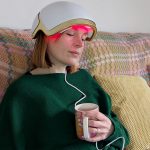
Red light therapy has become a popular option for people looking to support skin health and natural healing. This treatment uses specific wavelengths of light that penetrate the skin and may help encourage cellular repair. Many people seek it out for concerns like skin texture, joint discomfort, or slow recovery after physical strain. What makes red light therapy appealing is how gentle it feels compared to more invasive treatments.
However, results depend on consistency and proper use. Sessions should take place under professional guidance to ensure correct exposure levels and realistic expectations.
Acupuncture for Pain and Balance
Acupuncture continues to gain respect as more people look for ways to manage pain without heavy reliance on medication. By targeting specific points on the body, acupuncture aims to support balance and reduce discomfort related to stress, headaches, or muscle tension. Many people also report improvements in sleep and overall well-being. While the experience can feel unfamiliar at first, treatments often become relaxing over time. Working with a licensed practitioner ensures both safety and proper technique, which makes a noticeable difference in outcomes.
Meditation Studios and Sound Therapy
Wellness does not stop at physical health, and modern treatments increasingly reflect that understanding. Meditation studios, sound therapy sessions, and guided breathwork focus on calming the nervous system and improving mental clarity. These treatments create space to slow down, which helps counter constant stimulation and stress. People who make mental wellness a priority often find it easier to stay consistent with healthy habits in other areas. These experiences work best when approached with openness rather than expectations of instant change.
Functional Medicine and Preventive Wellness Testing
Functional medicine shifts the focus from treating symptoms to understanding underlying causes. Preventive testing, nutritional assessments, and hormone evaluations help paint a fuller picture of how the body functions over time. This approach encourages proactive care instead of waiting for issues to worsen. People who explore functional medicine often gain a better understanding of how lifestyle, diet, and stress affect their health. Working with qualified professionals remains essential, since interpretation and follow-through matter just as much as testing itself.
Wellness treatments can offer meaningful support, but their real value shows up when people use them thoughtfully and with care. Taking time to listen to the body, asking the right questions, and choosing quality over convenience builds trust in the process. When wellness feels steady instead of rushed, it becomes easier to maintain habits that support both health and peace of mind over the long term.


Comments are closed.