
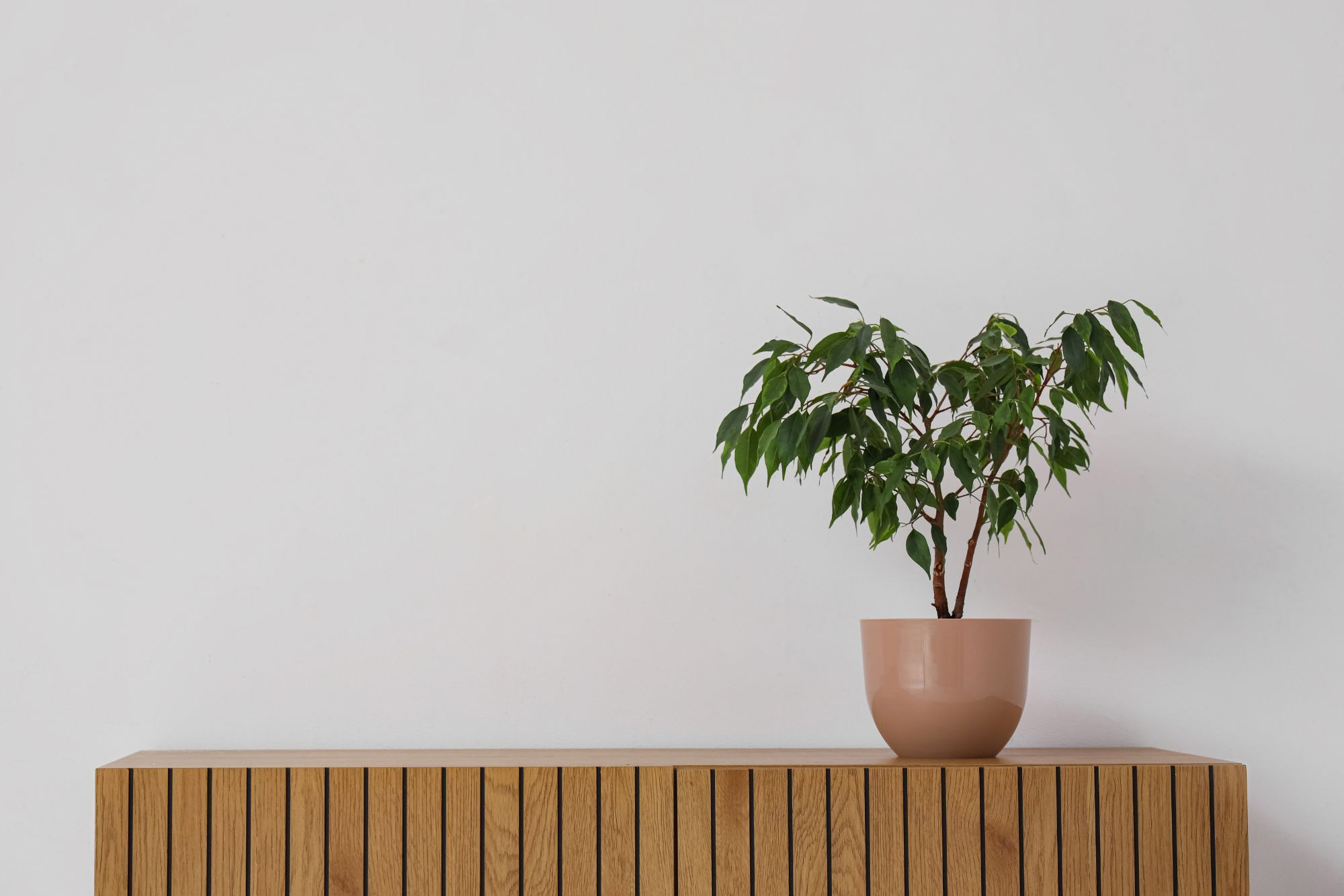
“Homeowners: What to Look for in Artificial Olive Tree Products” is a collaborative post.
Injecting greenery into a home’s decor can revitalize any space, and artificial olive trees offer an enduring and maintenance-free touch of nature. However, not all faux foliage is created equal—and when choosing an artificial olive tree, discerning quality is key. Poorly made options can diminish the intended effect, while a high-quality selection enhances ambiance significantly.
Assessing the realistic appearance, durability, and integration into your home decor are essential when selecting artificial olive trees. Below, we outline crucial factors homeowners should consider to ensure they invest in products that bring lasting satisfaction and style.
Selecting High-Quality Artificial Olive Trees for Your Home
As a homeowner, your foremost consideration should be the overall quality of the artificial olive tree. Premium quality often translates to a more lifelike tree that can elevate your interior design. Look for full, plush foliage and detailed texturing that mimics the natural growth patterns of olive leaves.
To assess the quality, closely examine the colors and shading of the leaves. High-quality artificial olive trees should feature a variety of green hues and possibly silver undertones, just like real olive leaves. Additionally, the tree’s trunk and branches should have a textured, realistic wood appearance. Inconsistencies in color or overly plastic textures are indicators of subpar quality.
Before purchasing, scrutinize other consumers’ reviews and photos, as these can provide insight into the tree’s actual appearance in home settings. Check for a warranty or guarantee from the seller, which can offer peace of mind regarding the quality and durability of the artificial olive tree.
Assessing Realism in Artificial Olive Tree Design
The realism of an artificial olive tree is crucial for it to blend seamlessly into your home environment. It should convincingly mimic the texture and density of a real olive tree’s foliage, without excessive glossiness or uniformity, which can give away its artificial nature.
Take note of how the leaves are attached to the branches, as higher quality trees often have individually inserted leaves for a more natural look. For an added touch of realism, some products include olives of various sizes and maturity levels. A nuanced attention to detail like this can make a significant difference in the tree’s authenticity.
Actionable guidance for achieving realism includes physically handling samples if possible or at least examining detailed photographs from multiple angles. When in doubt, visit a store that offers artificial plants and compare various models in person. Ensure that you also consider how natural light in your home might interact with the leaves to sustain the illusion of real foliage.
Understanding Material and Build Durability for Artificial Olive Trees
For an artificial olive tree to maintain its beauty over time, materials and build quality must be outstanding. Polyethylene or silk are typically used for foliage, with silk being the preferred choice for those prioritizing an authentic feel and appearance.
Investigate the sturdiness of the tree’s construction. Branches should be securely attached to the trunk, and leaves shouldn’t easily fall off when touched. The pot, if provided, should also contribute to the tree’s stability, preferably weighted to prevent tipping. Pay attention to the durability of materials against sunlight if the tree will be placed in well-lit areas, as some materials may fade faster than others.
Request information about the care and maintenance of the tree. While artificial trees don’t require the regimen natural trees do, some occasional cleaning may be necessary to keep them looking pristine. Knowing what’s involved can help you better understand the long-term durability and care of your investment.
Incorporating Artificial Olive Trees Into Your Home Decor
Once you’ve found an artificial olive tree that meets your standards for quality and realism, it’s time to think about its place in your home decor. The versatility of these trees allows them to complement various styles, from Mediterranean to modern minimalistic.
Evaluate the size and scale of the tree in relation to your space. A small tree can feel lost in a large room, while an oversized tree can overwhelm a tight space. Play with positioning; an artificial olive tree can serve as a room’s focal point or as a subtle accent in a quiet corner. The right placement nurtures a sense of harmony and natural flow within your home.
Incorporate your faux olive tree with other home decor elements to enhance its authenticity. Use natural materials like wood or stone around the base or pair it with actual plants for a more diverse and believable botanical collection. Don’t be afraid to switch its location with the seasons or as your interior tastes evolve, as its flexibility is one of its greatest advantages.
Ultimately, when selecting an artificial olive tree, focusing on quality, realism, and durability can transform a home with a touch of timeless elegance. By carefully considering the integration of these elements into your living space, an artificial olive tree can become an enduring and cherished part of your home’s decor.





Comments are closed.