

“Beyond Exhaustion: Understanding Teen Burnout and the Long-Term Impact” is a collaborative post.
Teenagers today often juggle school, social life, and personal expectations. While staying active can build skills, too much pressure without rest can lead to burnout. This condition affects both mental and physical health, and it can shape how teens respond to stress later in life.
Common Causes of Teen Burnout
Burnout usually develops over time. Academic pressure is one of the main causes. Heavy workloads, tests, and constant performance goals can leave little time for rest. Students in competitive settings, including some private schools, may feel this pressure more strongly.
Social demands also play a role. Teens often try to balance friendships, activities, and online connections. This can create a sense of constant responsibility with no clear break.
Signs Families Should Notice
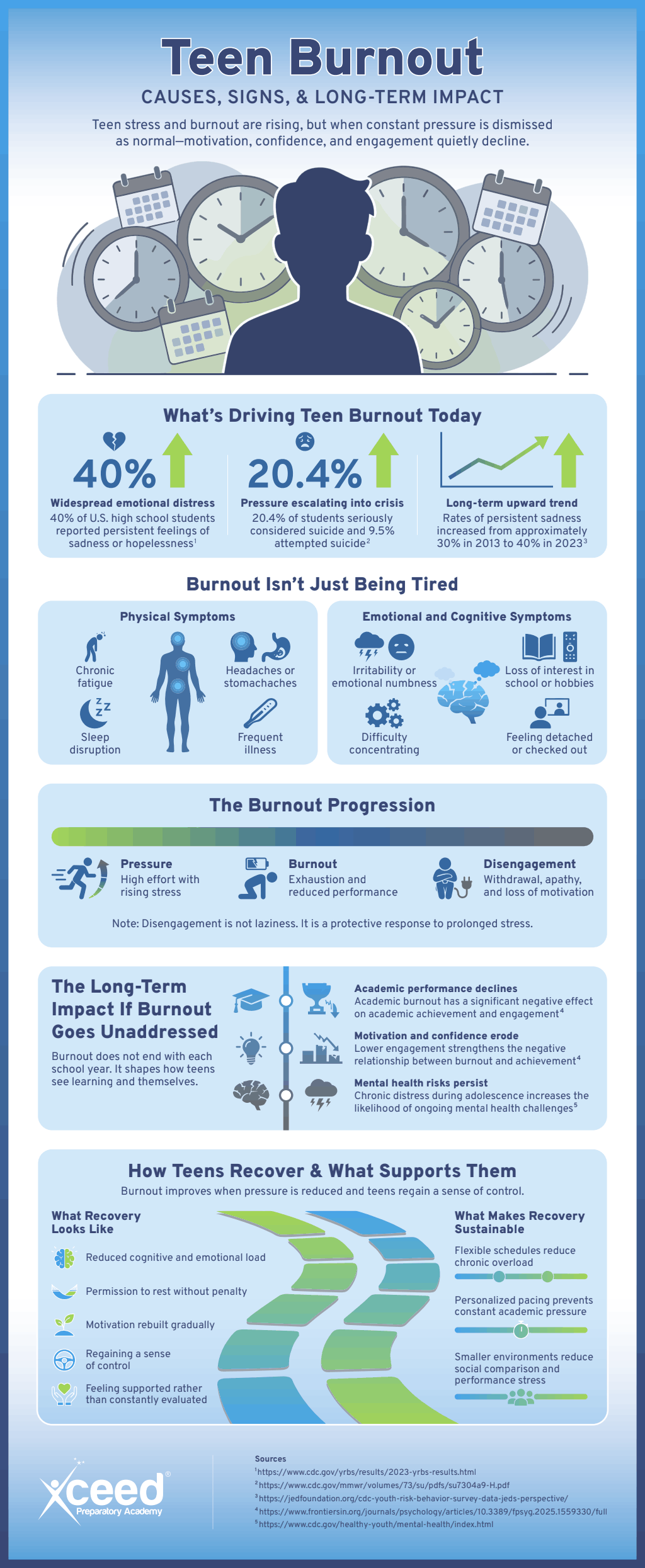
Burnout often shows through small changes first. Teens may seem tired even after a full night of sleep. They might lose interest in activities they once enjoyed or avoid social time.
Emotional shifts are also common. Irritability, frustration, and low motivation may appear more often. Some teens may withdraw from family conversations or show signs of anxiety.
Physical symptoms can develop as well. Headaches, stomach issues, and changes in appetite are often linked to ongoing stress. These signs should not be ignored when they continue over time.
Long-Term Impact on Health
Burnout can affect future health if it is not addressed. Ongoing stress has been linked to anxiety and depression. These conditions can continue into adulthood and affect daily life.
It can also shape how teens approach challenges later on. Some may avoid pressure due to fear of failure, while others may push themselves too hard without recognizing limits.
Physical health may suffer as well. Long periods of stress can weaken the immune system and increase the risk of illness. This shows how closely mental and physical health are connected.
Supporting Recovery and Balance
Recovery starts with rest and routine. Teens need consistent sleep, balanced meals, and time away from constant demands. Setting realistic expectations helps reduce pressure.
Open communication is important. Teens should feel safe sharing their concerns without judgment. Listening closely can help families respond in a helpful way.
Teen burnout is a growing concern, yet it can be managed with the right support. When families focus on balance and open communication, teens are more likely to regain energy and build healthier patterns for the future. Check out the infographic below for more information.





Comments are closed.