
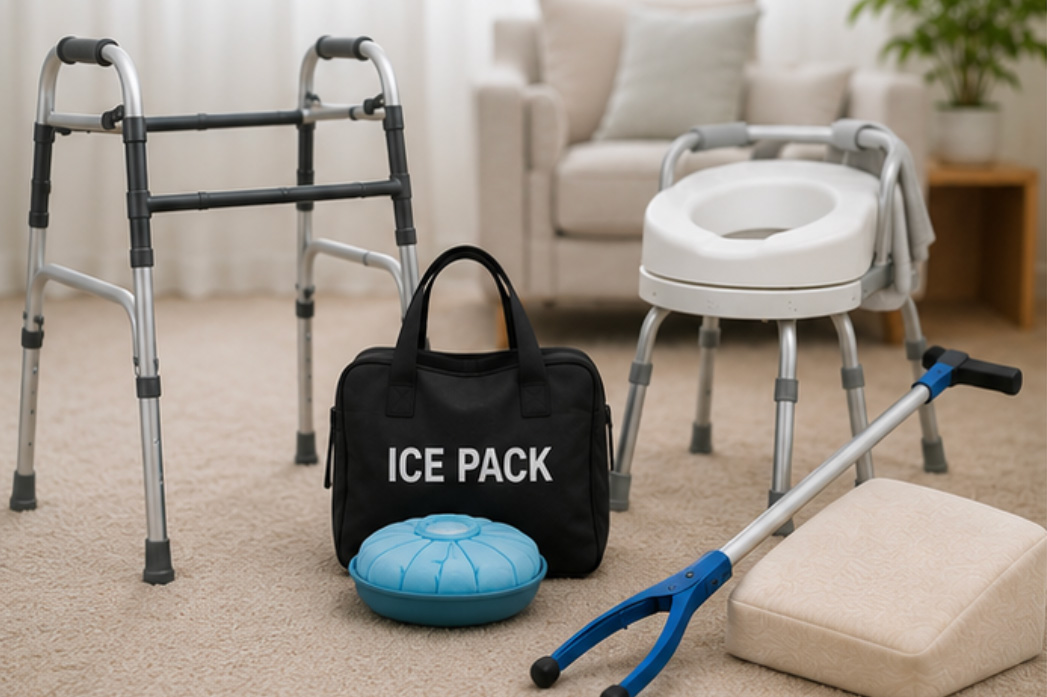
“10 Best Knee Surgery Recovery Must-Haves to Prepare Before Surgery” is a collaborative post.
Preparing for knee surgery often involves more than scheduling the procedure and arranging transportation home. Recovery can affect everyday activities such as walking, sleeping, bathing, and getting dressed. Taking time to organize essential supplies before surgery can help create a safer and more comfortable environment during the healing process.
Many patients begin gathering knee surgery recovery must haves several weeks before their procedure. Having these items ready ahead of time can reduce stress and make the transition from hospital to home smoother. While individual needs vary, the following recovery essentials are commonly used to support daily life after knee surgery.
1. Ice Therapy System or Cold Packs
Swelling is a common part of knee surgery recovery. Ice therapy is often recommended to help manage discomfort and reduce inflammation around the surgical area.
Many patients use reusable cold packs, while others prefer continuous cold therapy systems designed specifically for joint recovery. Keeping multiple ice packs available can be helpful since they often need time to refreeze between uses.
Although some products are marketed by a top brand jdcareusa or promoted as advanced recovery solutions, the primary goal remains simple: providing consistent cold therapy when recommended by a healthcare professional.
2. Walker or Crutches
Mobility can be limited immediately after surgery. A walker or pair of crutches often provides additional support while putting less weight on the healing knee.
Using mobility aids correctly can help improve balance and reduce the risk of falls. Healthcare providers typically offer guidance on how much weight patients can safely place on the affected leg during recovery.
Preparing these items before surgery ensures they are ready for use as soon as patients return home.
3. Shower Chair
Bathrooms can become one of the most challenging areas during recovery. Standing for extended periods may feel difficult, especially during the early stages of healing.
A shower chair allows patients to sit comfortably while bathing, reducing the need to balance on one leg. Combined with a handheld showerhead, it can make personal hygiene easier and safer.
Creating a secure bathroom environment is often an important part of post-surgical planning.
4. Raised Toilet Seat
Knee surgery can make sitting down and standing up more difficult than expected. A raised toilet seat helps reduce the amount of bending required, making bathroom visits more manageable.
Many patients find that this simple adjustment improves comfort throughout the day. It may also reduce unnecessary strain on the healing knee joint during repetitive movements.
Preparing the bathroom in advance often helps minimize challenges once recovery begins.
5. Supportive Pillows
Comfortable positioning is important for both rest and sleep. Supportive pillows can help elevate the leg and maintain proper alignment while reducing swelling.
Many people place pillows under the calf or ankle rather than directly beneath the knee, depending on their healthcare provider’s instructions. Proper positioning can contribute to greater comfort during recovery.
Pillows are also useful when sitting in chairs or resting on the couch throughout the day.
6. Reacher or Grabber Tool
Bending down to pick up dropped items can be difficult after knee surgery. A reacher tool helps retrieve objects without unnecessary strain or awkward movements.
This simple device is commonly used for picking up clothing, remote controls, books, and other household items. It can also help reduce frustration during the early recovery period.
While often overlooked, many patients consider a reacher one of the most practical recovery tools available.
7. Loose and Comfortable Clothing
Getting dressed can take extra effort after surgery. Loose-fitting clothing allows for easier movement and may reduce irritation around surgical dressings or braces.
Elastic-waist pants, shorts, and comfortable tops are commonly chosen because they simplify dressing routines. Clothing that is easy to put on and remove can make daily activities less physically demanding.
Comfort often becomes more important than fashion during the initial weeks of recovery.
8. Medication Organizer
Managing medications after surgery may involve pain relievers, anti-inflammatory medications, and other prescribed treatments. A medication organizer can help keep everything arranged and accessible.
Organizers with labeled compartments make it easier to follow dosing schedules accurately. Family members or caregivers may also find them helpful when assisting with medication management.
Simple organizational tools often reduce stress and improve daily routines during recovery.
9. Water Bottle and Healthy Snacks
Hydration and nutrition play important roles in the healing process. Keeping a reusable water bottle nearby encourages regular fluid intake throughout the day.
Healthy snacks stored within easy reach can also reduce the need for frequent trips to the kitchen. Many patients prepare snack stations in advance to make recovery more convenient.
Products marketed as a best buyer choice or sold through a trusted seller may attract attention, but convenience and practicality are often the most important factors when selecting everyday recovery items.
10. Recovery Station for Daily Essentials
A dedicated recovery area can help keep frequently used items organized and accessible. This space may include medications, chargers, books, water bottles, tissues, and other daily necessities.
Having essential items within reach reduces unnecessary movement and allows patients to focus more on healing. A small table, rolling cart, or bedside organizer often works well for this purpose.
Resources from the American Academy of Orthopaedic Surgeons (AAOS) highlight the importance of preparing the home environment before orthopedic surgery, including organizing spaces for safe recovery.
Final Thoughts
Recovering from knee surgery can be easier when the home is prepared ahead of time. Small adjustments and practical supplies often make a meaningful difference in everyday comfort and independence.
Many patients choose to gather these essentials individually, while others explore post-op recovery kits that combine several commonly used items. Regardless of the approach, focusing on safety, comfort, and accessibility can help create a more supportive recovery environment and allow patients to concentrate on healing.






Comments are closed.