
“How Medical Spas Are Changing the Future of Beauty and Wellness” is a collaborative post.
Walk into almost any shopping plaza these days, and you’ll probably spot one: a calm, spa-like storefront with a name that sounds more like a clinic than a salon. That’s not a coincidence. Beauty and wellness have quietly merged into something new, and it’s reshaping how people think about looking and feeling good.
In cities like Frisco, TX, this shift is easy to see, with more residents choosing treatments that used to belong strictly to dermatologists’ offices. This isn’t a passing trend, it’s a real change in what people expect from self-care.
What Exactly Is a Medical Spa
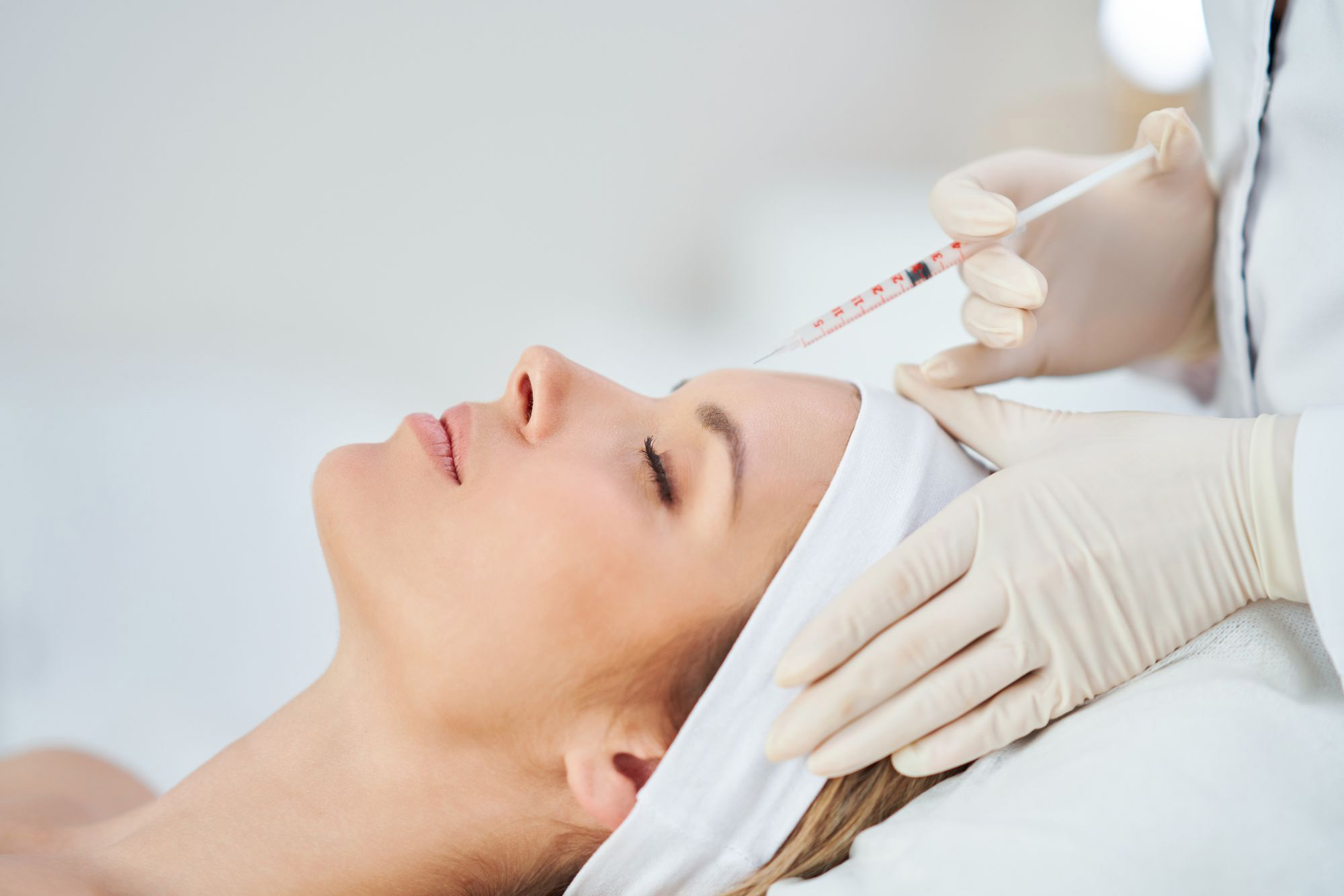
A medical spa (or med spa) sits somewhere between a traditional spa and a doctor’s office. You get the relaxing atmosphere, the friendly staff, and the unhurried appointments you’d expect from a wellness retreat. But behind the scenes, treatments are supervised by licensed medical professionals, using tools and techniques that go well beyond a standard facial.
Botox, laser skin resurfacing, chemical peels, body contouring, and IV therapy are just a few examples. These procedures require real clinical knowledge, not just a weekend certification. That blend of comfort and medical credibility is exactly why so many people are switching from salons to spas operating under proper medical supervision.
Why the Industry Is Growing So Fast
The numbers back up what’s happening on the ground. According to the American Med Spa Association, non-core medical directors now oversee a large share of med spas nationwide, showing how mainstream medically supervised aesthetic care has become. Researchers have also tracked the number of med spas in the U.S. climbing from roughly 1,600 in 2010 to well over 9,000 today.
A few forces are driving that growth. People are more comfortable talking about cosmetic treatments than they used to be, thanks in part to social media normalizing everything from injectables to skin resurfacing. There’s also a bigger cultural shift toward prevention. Instead of waiting until deep wrinkles or sun damage set in, more people are starting maintenance treatments earlier, spacing out smaller sessions rather than tackling one dramatic fix later.
Wellness Is Now Part of the Beauty Conversation
Here’s the part that really separates today’s med spas from the beauty salons of the past: wellness isn’t an add-on anymore, it’s the whole point. Skin health, hormone balance, hydration, stress, and sleep all affect how a person looks, and med spas have started treating those factors as connected rather than separate.
That’s why you’ll often see IV vitamin drips offered next to facials, or a consultation that touches on nutrition before it ever gets to skincare. The goal isn’t just smoother skin, it’s a person who feels rested and genuinely well.
This is one of the reasons people searching for a med spa in Frisco, TX at Millennia Wellness MD tend to stay longer-term rather than book a single visit. When a clinic treats beauty and wellness as one goal instead of two, patients notice the difference, and a plan built around their needs feels less like a quick fix and more like ongoing care.
Technology Is Making Treatments Safer and More Precise
Another reason med spas have earned trust is technology. Lasers today can target pigment or hair follicles with far more precision than older models, which means fewer side effects and shorter recovery times. Devices that tighten skin or reduce fat now rely on measurable energy output, not guesswork, so providers can be far more consistent from one session to the next.
This matters because it lowers the barrier for people who were previously hesitant. A first-time patient nervous about needles or lasers is often reassured once they understand how much safety testing sits behind modern equipment. Add a licensed provider monitoring the process, and the whole experience feels far more like healthcare than a beauty gimmick.
Personalization Over One-Size-Fits-All
One of the biggest shifts in this industry is the move away from generic treatment packages. Skin type, age, lifestyle, and stress levels all factor into what actually works for a given person, and med spas have gotten much better at recognizing that.
This is where an in-depth consultation earns its place. A good provider will ask about medical history, current medications, skincare routine, and goals before ever recommending a treatment. It’s a slower process than picking something off a menu, but it produces results that actually fit the person sitting in the chair.
What This Means for the Average Person
For someone who’s never considered a medical spa before, this might sound clinical. But in practice, it just means more options and less guesswork. Instead of trying a dozen over-the-counter products and hoping one works, people now have access to treatments backed by real medical training and diagnostic tools.
It also means the stigma around cosmetic treatments is fading. What used to feel secretive is now viewed by many as routine self-maintenance, similar to a dental cleaning or an annual physical. That normalization is part of what’s fueling the industry’s steady growth, and communities near Frisco, TX show just how far this attitude has spread beyond major metro areas.
Wrapping Up
Medical spas aren’t replacing dermatologists or traditional spas, they’re filling the space between them, and that space turned out to be exactly what a lot of people were waiting for. As technology keeps improving and treatments become more personalized, this corner of the wellness world is only going to grow more central to how people take care of themselves.
The bigger takeaway is simple: beauty and wellness were never really separate goals to begin with. Medical spas are just the first industry to treat them that way out loud, and it’s changing what people expect from self-care for good.





Comments are closed.