
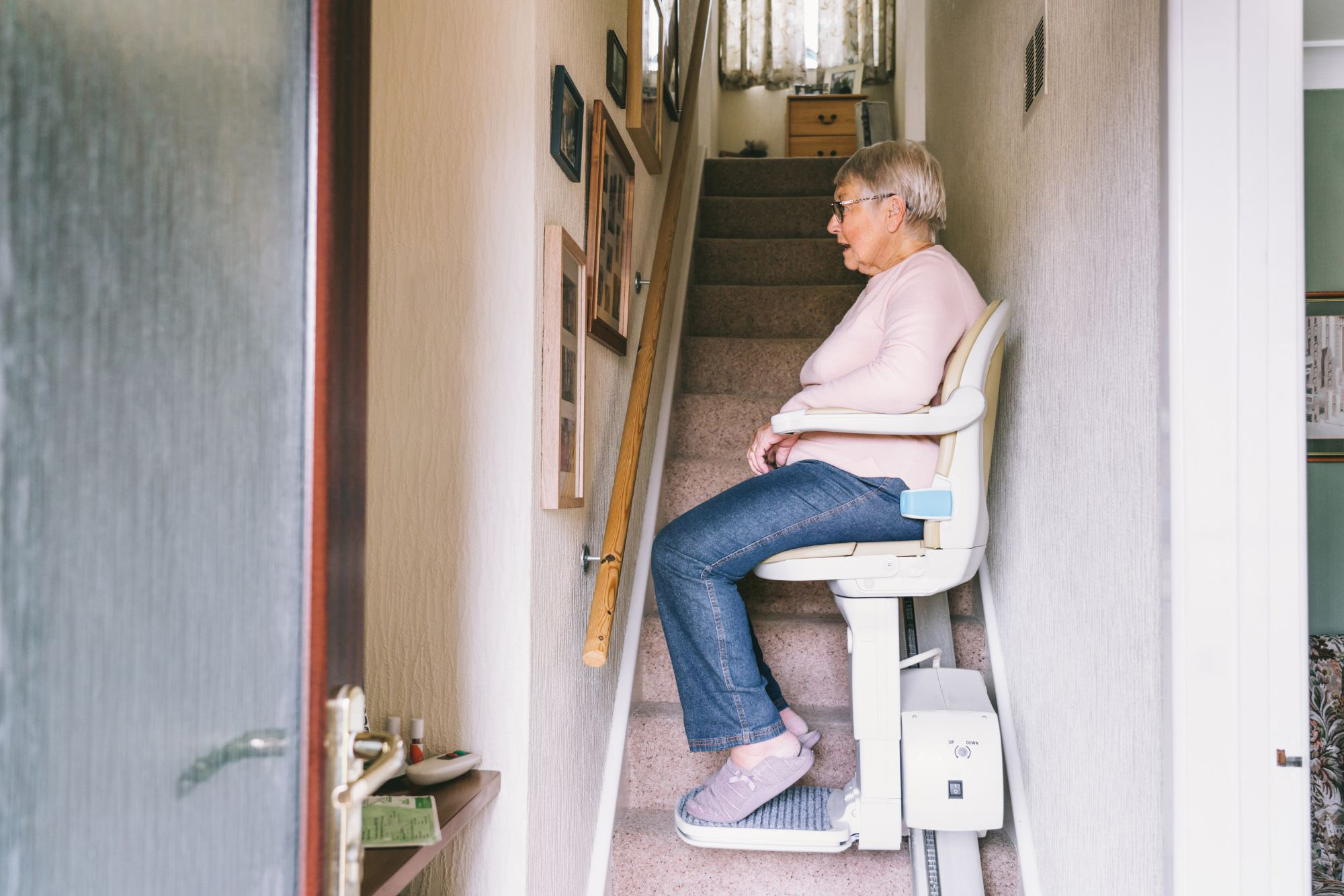
Accessibility as a Family Wellness Consideration
Families change shape over time, and homes often need to change with them. A household that welcomes a new baby, brings in aging grandparents, or supports a family member with mobility challenges may find that stairs become more than an inconvenience. They become a daily obstacle that affects safety, independence, and even how comfortably a family can move through their own home. Home lifts have shifted from being a niche accommodation to a practical wellness upgrade that many multi-generational households are considering earlier than they used to.
Hydraulic Home Lifts: Cost-Effective for Multi-Story Families
Hydraulic lifts rely on a fluid-driven piston system to move the cab between floors, and they remain one of the more budget-friendly options for homeowners retrofitting an existing structure. Because the mechanism does not require a full machine room in the same way older commercial elevators did, installation can often be adapted to fit within a closet-sized footprint. The tradeoff is that hydraulic systems typically need a small equipment closet somewhere in the home, and the ride can feel slightly less smooth than other methods, especially at the start and stop of each trip. For families prioritizing upfront cost over ultra-quiet operation, this approach tends to be a reasonable starting point.
Traction-Based Elevators: Long-Term Safety and Durability
Traction elevators use a system of cables and a counterweight to move the cab, which generally results in smoother rides and lower long-term energy use compared to hydraulic systems. Many households find that the higher initial investment pays off over a decade or more of use, particularly in homes where the lift will see frequent daily trips from young children, strollers, or wheelchairs. Because these systems have fewer fluid-based components, there is less risk of leaks or the type of wear that comes with hydraulic seals breaking down over time. Families in the Sacramento region who are comparing options often reach out to local specialists offering Sacramento home elevator installation to get a clearer sense of how traction systems perform in older versus newer homes, since structural requirements can vary significantly by property age.
Pneumatic Vacuum Lifts: Space-Saving for Growing Homes
Pneumatic vacuum lifts operate using air pressure differentials to raise and lower a cylindrical cab, and they have become popular in homes where floor space is limited. Because they do not require a pit or a separate machine room, installation can sometimes be completed with less structural disruption than hydraulic or traction systems. The cab design is also inherently self-supporting, which some safety-conscious buyers appreciate, though the circular shape does limit how much can be transported at once compared to a rectangular cab. Growing families who are converting a small mudroom or closet area into a lift shaft often find this approach appealing precisely because it avoids major renovation work in already tight floor plans.
Safety Standards and Compliance Across Installation Methods
Regardless of which lift type a family chooses, compliance with recognized safety codes should not be treated as optional. Reputable installers follow guidelines that address load limits, emergency backup power, door interlocks, and routine inspection schedules, and licensed technicians are typically required to complete both the initial installation and any later servicing. Labor market data from the Bureau of Labor Statistics tracks the elevator and escalator installation trade as a distinct, regulated occupation, which reflects how seriously the industry treats specialized training for this kind of equipment. Families should ask any installer for documentation of licensing and code compliance before signing a contract, since skipping this step is one of the more common regrets homeowners report after the fact.
| Lift Type | Typical Installed Cost | Average Footprint | Notable Maintenance Need |
| Hydraulic | $25,000 to $40,000 | Fluid seal checks | |
| Traction-Based | $35,000 to $60,000 | Compact, no fluid room | Cable tension inspection |
| Pneumatic Vacuum | $30,000 to $50,000 | Very small, no pit required | Air seal and vacuum pump checks |
Maintenance and Accessibility for Active Families
A lift is only as reliable as the maintenance schedule behind it, and this matters more in homes with children who may use the equipment unsupervised or in households where a lift is a primary mobility tool rather than an occasional convenience. Most manufacturers recommend service checks at least once or twice a year, with more frequent attention paid to door sensors, emergency stop functions, and battery backup systems in homes prone to power outages. Families juggling school schedules, naptimes, and everyday chaos sometimes overlook these appointments, but skipping them can shorten the lifespan of the equipment and increase the odds of a service call at an inconvenient time. For readers exploring other practical ways to keep a busy household running smoothly, browsing through additional family wellness articles can offer useful context on balancing home upgrades with day-to-day family life.
Choosing the Right Fit for Your Family’s Future
There is no universal answer to which lift type suits every household, since the right choice depends on budget, available space, how many people will use the lift daily, and how long the family plans to stay in the home. Hydraulic systems offer a lower entry cost, traction elevators tend to reward long-term durability, and pneumatic vacuum lifts solve space constraints that older homes often struggle with. Rather than searching for a single best option, families are better served by mapping their specific needs against the tradeoffs each method presents, then working with licensed professionals who can walk through code requirements and long-term service expectations. Taking that comparative approach tends to lead to a decision that actually fits the home, rather than one chosen based on marketing alone.





Comments are closed.