
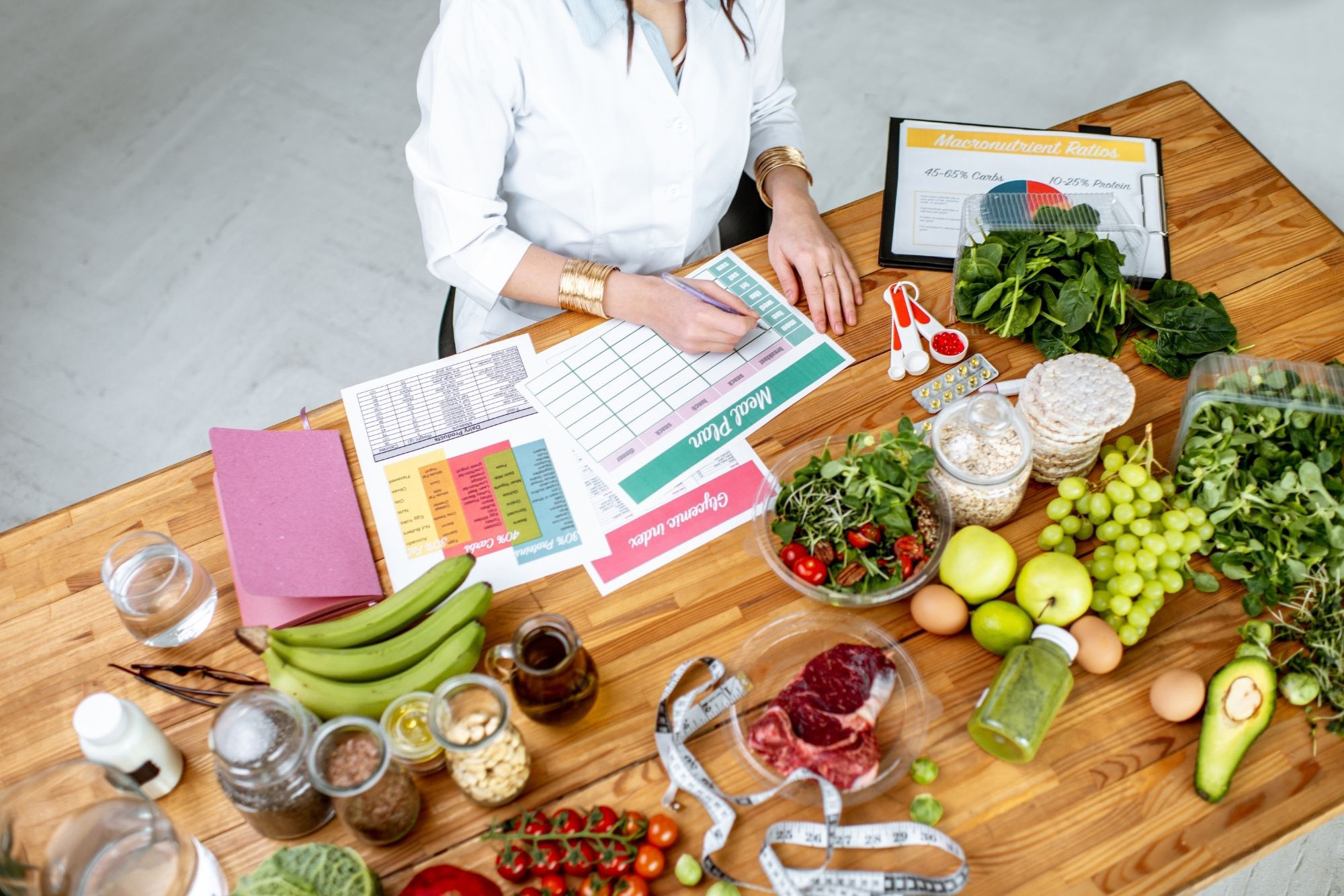
“Nutrition and Diet for IVF: From Preparation to Embryo Transfer” is a collaborative post.
A well-balanced diet directly determines the success of in vitro fertilization. Nutrition affects hormone levels, the quality of gametes, and the endometrium’s readiness to accept an embryo.
During the treatment protocol, a woman’s body is working at its limits. It needs resources. If nutrients are lacking, the reproductive system is the first to become compromised, as the body switches to a mode of conserving energy. A well-balanced meal provides the necessary foundation for future conception.
Preparing for the Program and Building Up Resources
It’s best to start preparing for the procedure well in advance, at least two or three months before it begins. The main goal of this period is to build up a reliable store of vitamins, minerals, and antioxidants. The expectant mother’s body should enter the cycle without any hidden deficiencies.
It’s important to regularly include proven sources of valuable nutrients in your daily diet.
Folic acid is required for proper cell division and to prevent neural tube defects in the fetus. Good sources include fresh spinach, broccoli, asparagus, lentils, chickpeas, and beans.
Iodine is critical for the proper functioning of the thyroid gland. Include ocean fish, shrimp, squid, sea kale, and nori seaweed in your diet.
Vitamin D is responsible for reproductive function and immune health. Key sources include chicken or quail egg yolks, cod liver, herring, mackerel, and regular walks outdoors on sunny days.
Potassium helps maintain a normal water-salt balance and supports the heart muscle. Look for it in ripe bananas, avocados, baked potatoes, and dried apricots.
Vitamin E protects cell membranes from oxidative stress. Include raw almonds, hazelnuts, walnuts, pumpkin seeds, and unrefined cold-pressed vegetable oils in your diet.
Calcium serves as a building block for bone tissue and plays a role in neuromuscular transmission. Good sources include cottage cheese, plain yogurt, hard cheeses, broccoli, and whole sesame seeds.
B vitamins support metabolism and the nervous system during periods of emotional stress. They are found in whole-grain cereals, beef liver, poultry, and eggs.
Nutrition During Stimulation and After Embryo Transfer
During superovulation induction and after embryo transfer, the strain on the body increases significantly. The diet requires careful adjustment.
Any strict weight-loss diets or drastic calorie restriction are strictly prohibited at this time.
Weight loss is permitted only before the start of the medical protocol. Fasting during hormonal stimulation depletes the body’s reserves, triggers cortisol spikes, and negatively affects oocyte maturation.
Protein as the Primary Building Block
Protein-rich foods become the absolute foundation of your diet. Protein is essential not only for tissue formation and cell growth. It retains fluid within the vascular system and serves as a proven preventive measure against the dangerous ovarian hyperstimulation syndrome.
Plan your meals so that at least 60 or 70 percent of your total daily protein intake comes from animal sources. Choose turkey breast, lean chicken, rabbit, white and red fish, eggs, and high-quality cottage cheese. Plant-based proteins such as lentils and tofu can be a good addition, but they should not completely replace animal protein.
Carbohydrate Control and Stable Blood Sugar Levels
Sharp fluctuations in blood glucose trigger insulin spikes, which impair egg quality and disrupt endometrial receptivity.
Minimize foods with a high glycemic index:
- White sugar, pastries, chocolate bars, and any store-bought sweets.
- Pastries, white bread, croissants, and muffins.
- Sweet fruits with a high fructose content, such as grapes, overripe bananas, figs, and dates.
Complex carbohydrates should form the basis of the carbohydrate portion of your meal. Choose buckwheat, quinoa, brown rice, steel-cut oats, and a variety of seasonal vegetables.
Fats, Salt Balance, and Hydration
The body needs high-quality fats. Without them, the synthesis of sex hormones is impossible. The daily intake of healthy fats should be at least 20 grams. Dress your salads with olive or flaxseed oil, and eat fatty fish such as trout or wild salmon.
Monitor your salt intake. Excess sodium immediately causes water retention in the intercellular space, leading to swelling and increasing abdominal discomfort. Avoid marinades, smoked foods, potato chips, and processed foods.
Avoid beverages with high caffeine content. Strong coffee, black tea, and energy drinks can cause short-term spasms in the small blood vessels of the pelvis, which is undesirable for blood flow to the uterus.
Drink pure, still water. The basic rule is simple: drink at least 30 milliliters of pure water for every kilogram of body weight daily.
Don’t forget about fiber. Fresh greens, leafy salads, zucchini, cucumbers, and unsweetened berries help regulate bowel movements. This is extremely important after follicular aspiration and while waiting for pregnancy test results, when constipation and bloating are unacceptable.
Diet for a Specific IVF Protocol
Nutritional strategies are adjusted based on the medical plan and the chosen reproductive technologies.
Classic Protocol with the Patient’s Own Eggs
The entire strategy is aimed at supporting harmonious follicle growth without the risk of complications. The priority is easily digestible protein combined with antioxidants. Include blueberries, raspberries, spinach, and leafy greens in your diet to neutralize free radicals and protect cells from oxidative stress.
IVF Protocol with Donor Eggs
In this cycle, the woman’s ovaries are not subjected to intensive stimulation. The main focus shifts to preparing the endometrium and ensuring optimal blood flow in the uterine cavity. Dark green leafy vegetables, fresh avocados, walnuts, and ocean fish rich in omega-3 fatty acids take center stage. These foods improve vascular elasticity and create a favorable environment for implantation.
IVF Protocol with Double Donation
Here, the key objective is to create the gentlest, calmest, and safest environment possible for pregnancy to occur. The diet is enriched with magnesium to reduce cramps and anxiety, as well as B vitamins, vitamins E and D, and hydration is strictly monitored throughout the entire transfer period.
Individualized Planning and Expert Support
There are no one-size-fits-all solutions. Every woman has her own metabolism, initial body weight, underlying health conditions, and food tolerances.
It’s best to develop a personalized diet in collaboration with your treating reproductive endocrinologist and a specialized nutritionist. The specialists at the NatuVitro clinic will help you create a personalized nutrition plan and precisely calculate your daily protein intake based on your specific treatment protocol.
Frequently Asked Questions About Nutrition During IVF
Why is an increased protein intake necessary during stimulation?
Protein helps retain the liquid component of blood within the blood vessels and prevents it from leaking into the abdominal cavity, which is the primary defense against ovarian hyperstimulation syndrome. Additionally, amino acids serve as the building blocks for high-quality eggs and endometrial maturation.
Is it okay to drink coffee after embryo transfer?
It is best to eliminate caffeine entirely or limit it to the smallest possible amount. It stimulates the nervous system and can cause small blood vessels to constrict, impairing uterine blood flow. Chicory or a cup of warm water with lemon makes an excellent alternative.
How to accurately calculate your daily water intake
Multiply your weight in kilograms by 30 milliliters. If you weigh 60 kilograms, your target daily intake of plain water is 1.8 liters. Soups, juices, and herbal infusions are not included in this calculation.
Should you buy vitamin supplements on your own?
Self-medication is unacceptable. Any dietary supplements, including doses of folic acid, iron, or vitamin D, should only be prescribed by your doctor based on blood test results.
How to deal with bloating after an aspiration
Bloating is often caused by hormones and enlarged ovaries. Drink plenty of warm water, eat cooked vegetables instead of raw ones, and completely eliminate legumes, fresh yeast-based baked goods, white cabbage, and carbonated beverages from your diet. If the discomfort persists, be sure to contact your doctor.



Comments are closed.