
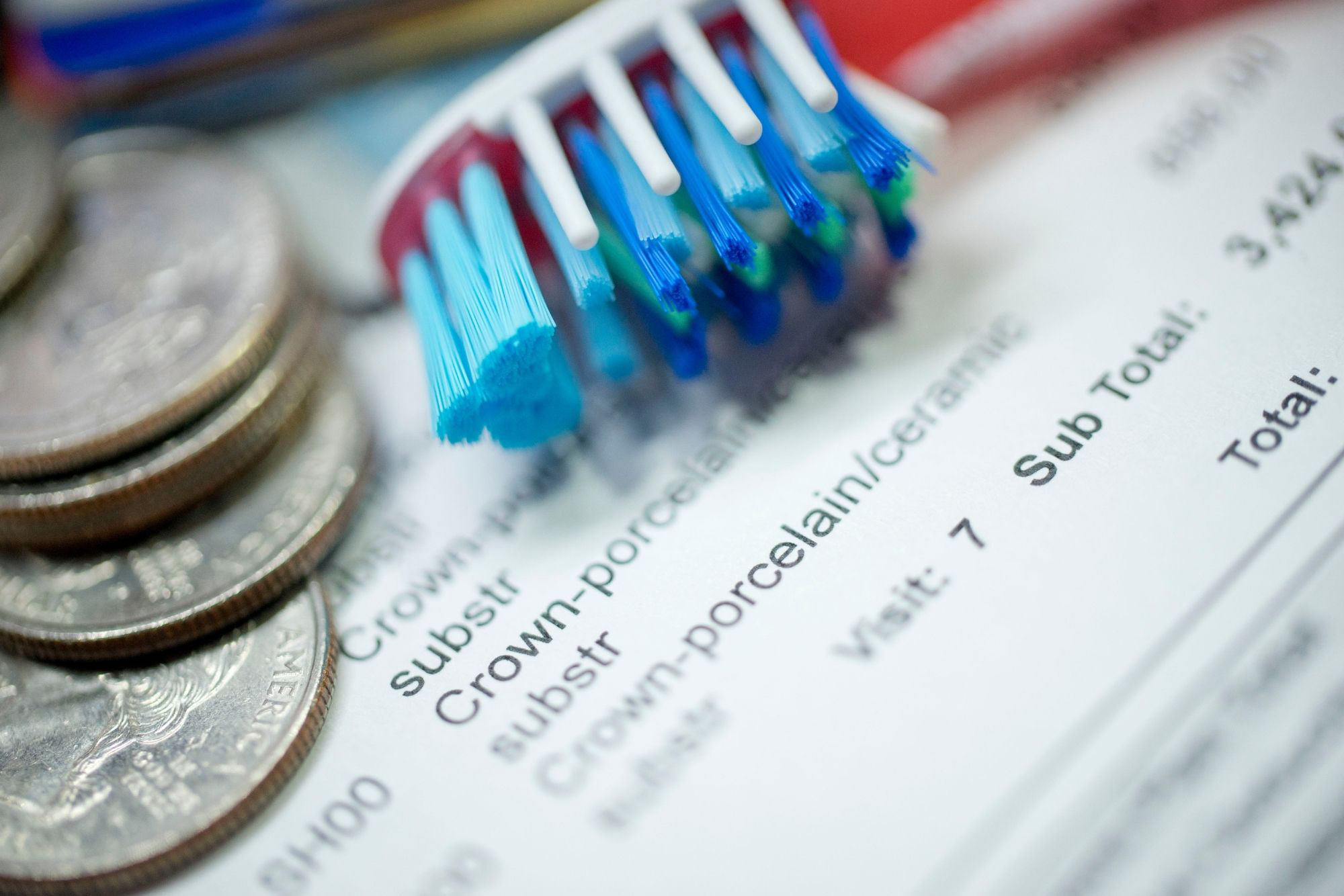
“How to Plan for Unexpected Dental Bills Without Straining Your Budget” is a collaborative post.
A child wakes up with a toothache on a Sunday night, or you bite down on something hard and feel a sharp pain. Suddenly, your family needs a dental appointment you had not planned for. Even a routine visit can cost more than expected, and treatment for a broken tooth or deep cavity can put pressure on an already tight budget.
For most families, having a plan for these expenses can help prevent a painful tooth from becoming a financial worry too. While you cannot predict every dental problem, you can take steps to make unexpected bills easier to handle. Below are five helpful steps.
1. Set Aside Money for Dental Emergencies
A separate emergency fund specifically for dental or general health care can help you pay without taking money away from groceries, rent, or other household needs. You do not have to save a large amount each month. Start with what your budget allows, then add to it when you can.
Think about your family’s dental needs when setting a savings goal. If your children need regular checkups or someone in the household has a history of cavities, you may want to put a little more aside. Keep the money in a separate savings account or another place where it is easy to access when needed. It also helps to ask your dentist about the likely cost of common treatments. Knowing the possible price of a filling, extraction, or emergency exam gives you a clearer target than saving without a plan.
Even a small fund can make a difference. It may not cover every major procedure, but it can help with an urgent visit or reduce how much you need to borrow.
2. Keep Up With Routine Dental Care
Skipping checkups may seem like a way to save money, especially when the family budget is stretched. However, leaving dental problems untreated can lead to more complex treatment later.
Regular exams and cleanings help dentists find signs of tooth decay and gum disease early. A small cavity may need a filling, while a deeper one could require a root canal and crown. Early care does not prevent every emergency, but it can reduce the chance of some problems becoming more serious.
For families with children, building good habits early can also help. Encourage regular brushing with fluoride toothpaste, flossing when appropriate, and limiting sugary snacks and drinks. These simple steps support oral health between dental visits.
3. Understand Your Dental Coverage Before You Need It
Having dental insurance does not always mean an emergency visit will be free. Plans can differ in their deductibles, copayments, waiting periods, and yearly payment limits. Some cover preventive care at a high rate but pay only part of the cost for fillings, root canals, or crowns.
Read the plan details and check whether your dentist is included. Find out what you would pay for common procedures and whether emergency visits are covered. If your family has several dental needs in one year, check how the plan’s annual limit could affect the total cost.
You can also compare dental plans to see how traditional dental insurance differs from a dental savings plan. DentalPlans.com offers access to both types of options. Insurance pays a share of eligible costs according to the policy, while a dental savings plan provides reduced fees at participating dentists in exchange for a membership fee.
Savings plans are not insurance, and you generally pay the dentist directly for treatment. However, some offer discounts on both routine visits and major procedures, without insurance-style annual benefit limits or waiting periods. Check the terms, fees, and participating dentists before choosing one.
4. Ask for a Treatment Estimate and Payment Options
If a dentist recommends a costly procedure, ask for a written estimate before agreeing to treatment, unless the situation requires urgent care. The estimate should explain the planned work and its expected cost. If you have dental insurance or a savings plan, ask how it may affect the amount you pay.
You can also ask whether there are other suitable treatment options. For example, your dentist may explain the pros and cons of different ways to repair a damaged tooth. The cheapest option is not always the best choice, so consider how long it may last and whether it could lead to further costs.
Some dental offices offer payment plans that allow you to spread the cost over time. Before agreeing, check for interest, fees, and the total amount you will repay. If the proposed treatment is expensive and you are unsure about it, a second opinion can help you understand your choices.
5. Know What to Do When a Dental Emergency Happens
When a dental problem comes up, knowing whom to call can save time and help you avoid unnecessary costs. Keep your dentist’s contact details handy and ask whether the office handles urgent visits or refers patients to an emergency provider.
If a tooth breaks or severe pain begins, call for advice rather than waiting several days and hoping it settles. A dentist can help you decide how quickly you need to be seen. Facial swelling with fever or trouble swallowing or breathing requires urgent medical attention.
If you need emergency care, ask about the exam fee and likely costs before treatment when possible. Do not delay urgent care simply because you are worried about the bill. Ask the provider about payment arrangements or other ways to manage the cost.
Wrapping Up
Unexpected dental bills can upset a family’s budget, but preparation gives you more options. Set aside what you can, keep up with preventive care, understand your coverage, and ask clear questions about treatment costs.
Most importantly, do not wait until a dental emergency to learn how your plan works. A little planning now can help your family get the care it needs without putting every other expense at risk.





Comments are closed.