
“Trends for 2026: Why Beef Dripping Is Becoming Popular Again in Fine Dining” is a collaborative post.
For years, beef dripping sounded like something from a grandmother’s kitchen: a jar of pale, savoury fat saved after a Sunday roast, used for potatoes, Yorkshire puddings, pastry or a slice of hot toast. In modern restaurants, however, this old-fashioned ingredient is losing its dusty image. In 2026, beef dripping is returning not as a gimmick, but as a response to several powerful dining trends at once: the search for natural products, the revival of traditional cuisine, the rejection of anonymous industrial oils and a growing appetite for food with a cleaner, more direct taste.
Beef dripping, also called beef tallow in many markets, is rendered beef fat. When carefully melted, strained and cooled, it becomes a stable cooking fat with a subtle meaty aroma and a high tolerance for heat. That makes it especially useful for frying, roasting and searing. Its practical value is simple: it helps potatoes become crisp, gives meat a deeper crust and adds a round savoury note without needing artificial flavour enhancers. For chefs, that combination of function and flavour is hard to ignore.
The comeback is part of a wider shift in how restaurants think about fat. For a long time, the dominant kitchen logic was neutrality: use vegetable oils that do not speak too loudly, then build flavour with sauces, powders, reductions or seasoning blends. Today, many fine dining and craft kitchens are moving in the opposite direction. They want every ingredient, including the cooking fat, to carry provenance, purpose and taste. A potato roasted in beef dripping is not just “crispy”; it tastes connected to the roast, the farm, the animal and the tradition behind the dish.
This matters because diners are increasingly suspicious of food that feels overly processed. The language of “clean label” has moved from supermarket shelves into restaurant culture. Guests may not ask for a laboratory explanation, but they often respond to ingredients they recognise: butter, bone broth, sourdough, fermented vegetables, aged beef, local honey, beef dripping. The appeal is not only nutritional. It is emotional. A familiar, natural ingredient creates trust before the first bite.
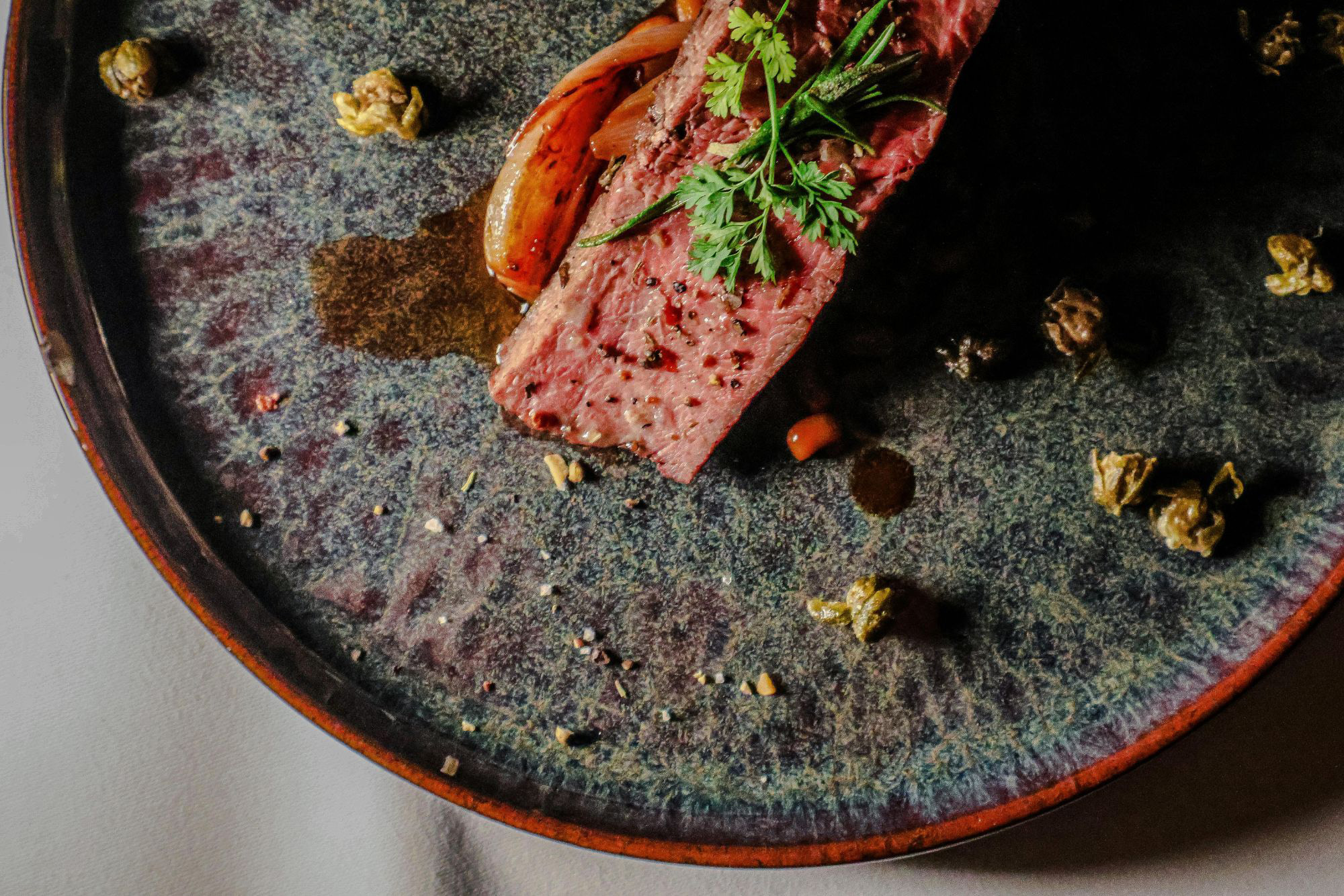
Fine dining has also changed its relationship with luxury. A decade ago, luxury was often expressed through rare imported ingredients, complex plating and technical distance. In 2026, many ambitious restaurants are finding luxury in restraint: a perfect chip cooked in dripping, a flame-grilled steak brushed with rendered fat, a tart crust made with beef fat and herbs, or a dish where the best part is the deep savoury finish left on the palate. This is “quiet luxury” on the plate: less decoration, more intensity.
Nose-to-tail cooking is another reason for the return. Craft restaurants have spent years telling guests that sustainability is not only about vegetables and compostable packaging. It is also about respecting the whole animal. If a kitchen buys high-quality beef but discards the fat, it loses both value and flavour. Rendering that fat into dripping turns a by-product into a signature ingredient. It reduces waste, improves margins and gives chefs a story that is honest rather than theatrical.
Beef dripping also fits the renewed interest in traditional European and British cookery. Roast potatoes, chips, suet crusts, pies, Yorkshire puddings and old pub classics are being reinterpreted with better sourcing and sharper technique. Instead of copying the past, chefs are editing it. They keep the satisfying textures and deep flavours, then serve them with lighter sauces, bitter greens, pickles, live vinegars or seasonal vegetables. The result feels nostalgic but not heavy.
The phrase “clean taste” is important here. Beef dripping is rich, but when properly rendered it should not taste greasy or dirty. Good dripping melts clear, browns beautifully and gives food a crisp finish with a savoury aftertaste. Compared with some neutral oils, it brings character. Compared with butter, it can handle higher heat. Compared with heavily seasoned coatings or artificial beef flavourings, it is direct and honest. The flavour comes from the ingredient itself.
This is why craft food restaurants are especially interested. Burger bars, steak houses, bakeries, modern pubs and small independent kitchens need memorable flavour, but they also need practical ingredients that work every day. Dripping can turn fries into a point of difference, make flatbreads more aromatic, enrich savoury pastry or give roasted roots a restaurant-level finish. It is not expensive luxury in the way caviar is; it is culinary leverage. A small amount can make a simple dish taste more complete.
Social media has helped, but it is not the whole story. Yes, animal fats have become fashionable online, sometimes with exaggerated health claims. Serious restaurants are more measured. They are not presenting beef dripping as a miracle food. They are using it because it performs well, because diners like the flavour, and because it communicates a broader philosophy: fewer unnecessary ingredients, more respect for craft, more connection between menu and source.
There are limits. Beef dripping is not suitable for vegetarian or vegan diners, and its saturated fat content means moderation matters. A thoughtful chef will not use it everywhere. The best menus treat it as a tool, not an ideology. It belongs where it improves the dish: potatoes, beef, game, savoury pastry, onions, mushrooms, grilled bread, robust greens. It is less appropriate for delicate fish, light salads or desserts where a neutral profile is needed.
The return of beef dripping says something larger about 2026 dining. Guests are tired of food that feels engineered to impress but not to satisfy. They want flavour with memory, ingredients with a name, and techniques that make sense. Beef dripping answers that desire because it is old and new at the same time: traditional in origin, modern in its alignment with low-waste cooking, transparent sourcing and sensory pleasure.
In fine dining, it gives chefs a way to make minimal dishes taste profound. In craft restaurants, it gives everyday food a distinctive signature. Across both, it represents a move away from sterile perfection toward food that feels warm, rooted and real. The revival of beef dripping is not simply a return to the past. It is a sign that the future of restaurant cooking may be more natural, more traditional and, above all, more honestly delicious.
Follow the link to find out where you can buy beef tallow wholesale in Ireland https://frylite.com/beef-dripping-frylite/






Comments are closed.