
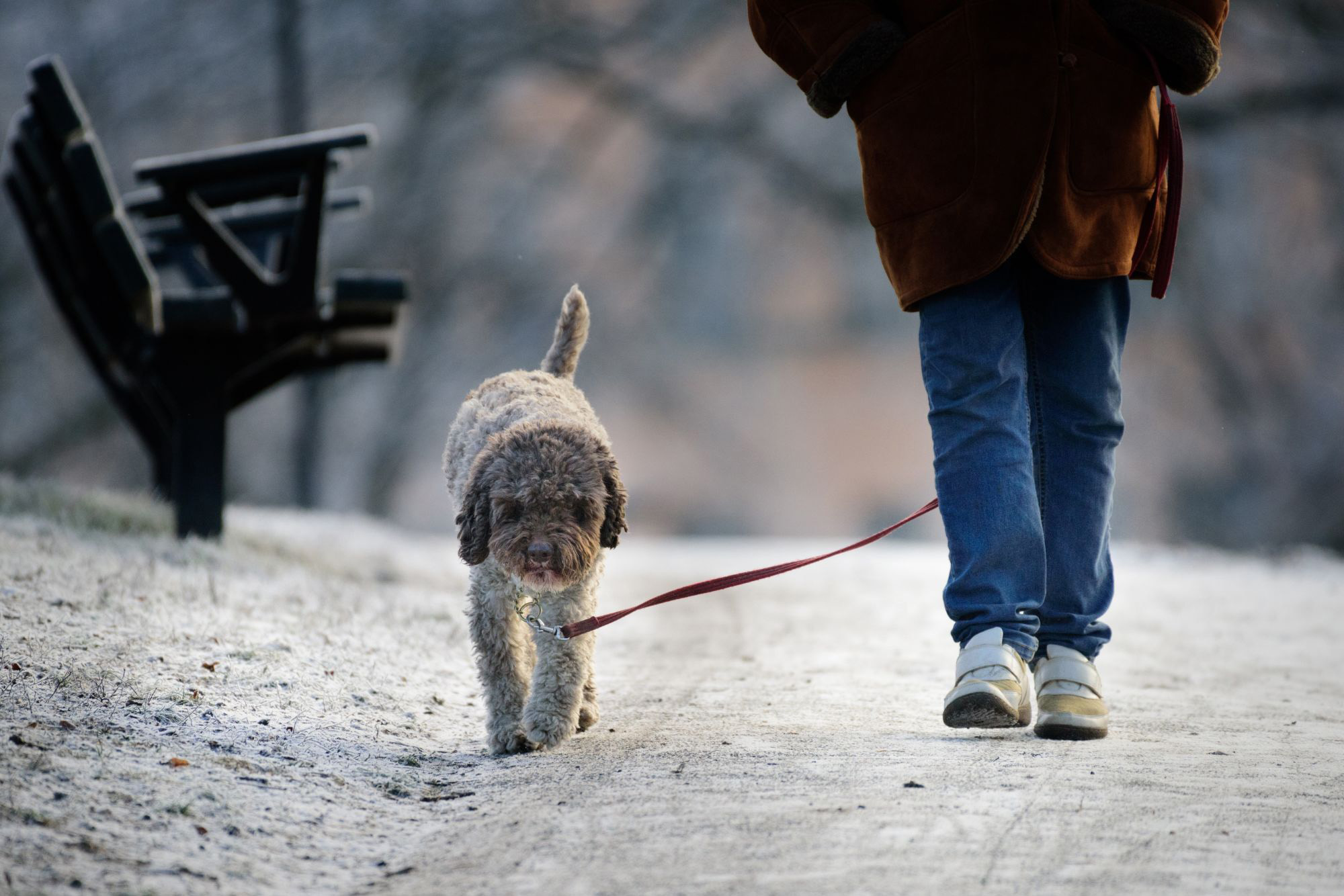
“What New Dog Owners Wish They’d Known Before Their First Winter” is a collaborative post.
New dog owners often don’t think about winter until the clocks change and the evenings turn cold and dark almost overnight. Dogs used to warm afternoons and long daylight walks need a different kind of care once the weather turns, and new owners aren’t always ready for how much changes once the temperature drops. Feeding, walking routines, paw care and warmth all need a second look, usually earlier in the season than most people expect.
Most of what catches new owners out isn’t dramatic, it’s a string of small adjustments that don’t get made until a dog is shivering, limping on sore paws or refusing a walk in the dark. Knowing what typically changes, and roughly when, makes the first winter with a dog far easier than learning it the hard way.
Walks Look Different Once the Evenings Draw In
Once the clocks go back, an evening walk that used to happen in daylight suddenly happens in the dark, and that changes more than the view. Reflective leads, hi-vis collars and a torch become genuinely useful rather than optional extras, since a dog can be much harder for drivers to spot near roads once the nights draw in. Shortening the route slightly and sticking to well-lit, familiar paths for the first few dark walks helps a new dog settle into the change without becoming anxious about it.
Feeding Changes as Winter Exercise Drops
Shorter walks most days through winter mean a dog is burning less energy than it did in summer, and feed that stayed the same can quietly add weight over a few cold months. Cutting portions slightly to match the drop in exercise is the obvious fix, but it isn’t the only adjustment worth making. This is also when many owners start adding dog supplements to help support joints, coat and general condition through the months when walks are shorter and outdoor play is harder to come by. Watching weight and coat condition over the first few cold weeks usually shows whether the balance needs adjusting further.
Paws Take the Brunt of Winter Pavements
Pavements gritted against ice are hard on a dog’s pads in a way most new owners don’t expect. Salt and grit spread on winter roads can cause stomach upset if a dog licks it off their paws afterwards, which is why wiping paws down as soon as you’re back inside matters more than it sounds. A quick check between the pads for cuts or grit build-up takes seconds and catches most problems before they turn into a sore paw the next day.
Keeping a New Dog Warm, Inside and Out
Breed and coat type make a bigger difference to how much extra warmth a dog needs than most new owners expect, and it’s worth watching for shivering or reluctance to walk rather than guessing from breed alone. Short-coated or smaller dogs often benefit from a coat once temperatures drop close to freezing, while thicker-coated breeds usually cope without one. Indoors, a warm, draught-free spot to sleep matters just as much as anything worn outside, especially for puppies still learning to regulate their own body temperature. None of these adjustments are complicated alone, but making them early tends to make that first winter go far more smoothly for everyone in the house.





Comments are closed.