“Why Should You Choose Organic Cotton Clothes for Kids?” is a collaborative post.
Parents today face a staggering number of choices when it comes to dressing their children. The fabric question alone can feel overwhelming, especially when most store shelves are packed with conventional cotton and synthetic blends that look perfectly fine at first glance.
But the material your child wears touches their skin every single hour of every day. That contact adds up fast. Here are five clear reasons why organic cotton clothes deserve a serious look before your next shopping trip.
Organic Cotton Is Gentler on Sensitive Skin
Children’s skin isn’t structurally the same as adult skin. It absorbs substances more readily, loses moisture faster, and reacts more intensely to irritants. Fabric choice matters far more for kids than most parents expect at first.
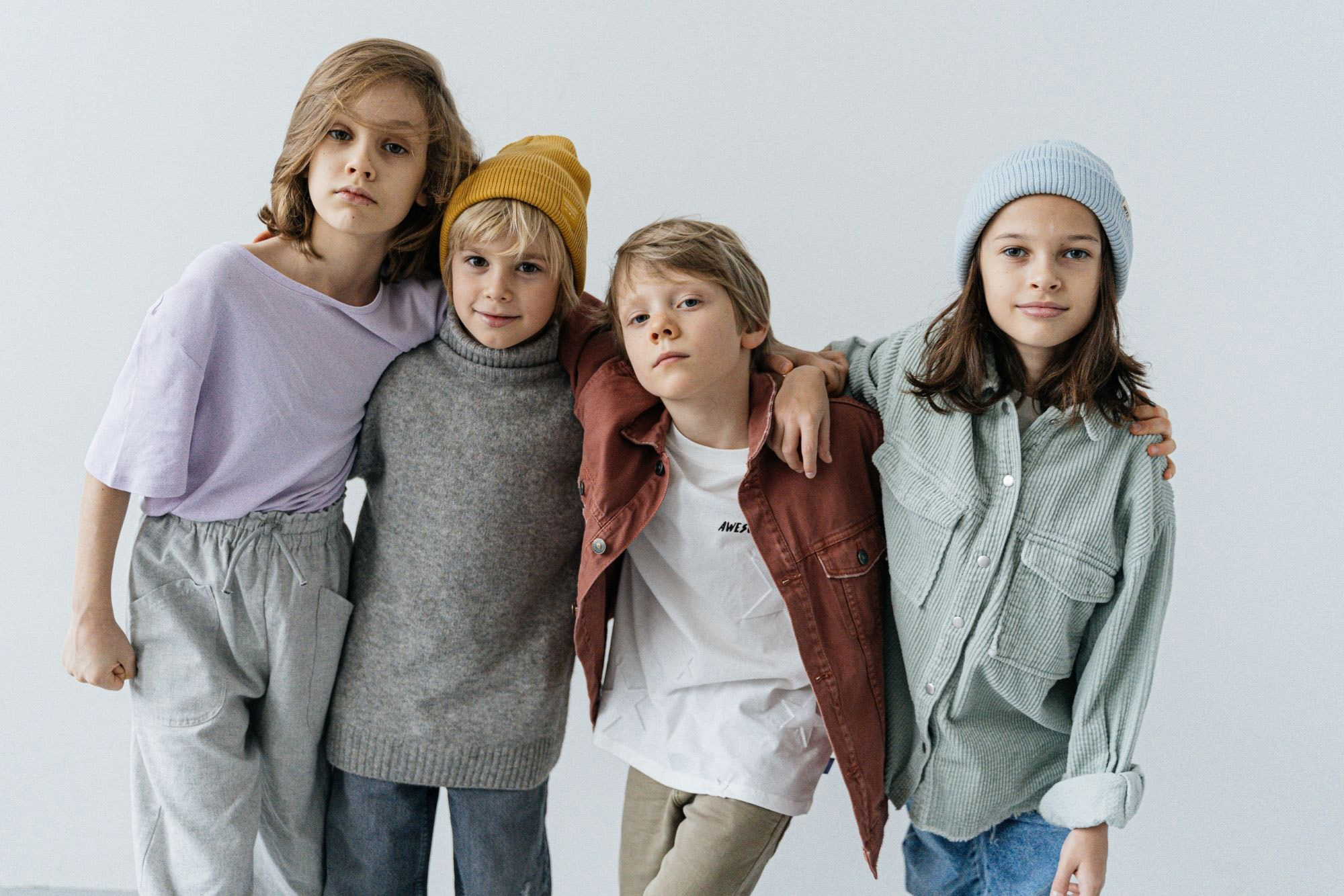
Parents who browse cotton clothes for kids by Treehouse quickly spot details like flat seams and tag-free collars, design decisions that reflect how differently children register physical discomfort. Organic cotton, grown without synthetic pesticides or fertilizers, skips the chemical residues that conventional fabric often carries after processing. The result is a softer, cleaner surface against skin that’s still building its natural protective barrier.
Eczema affects roughly 10% of American children, according to the National Eczema Association, and dermatologists regularly cite synthetic dyes and chemical finishes in clothing as aggravating factors. Organic cotton typically pairs with low-impact or water-based dyes, which cuts that exposure considerably. For kids with reactive skin, that’s not a minor difference.
It Keeps Harmful Chemicals Away from Your Child
Conventional cotton is one of the most pesticide-intensive crops in the world. The USDA estimates that cotton accounts for approximately 16% of global insecticide use despite covering only about 2.5% of the world’s cropland. Those chemicals don’t fully disappear after harvest. They persist through spinning, dyeing, and finishing stages.
Standard textile processing piles on another layer of concern. Formaldehyde-based wrinkle treatments, azo dyes, and heavy-metal fixatives show up routinely in non-certified clothing. Young children mouth fabric, press their faces into pajamas, and spend hours in direct contact with everything they wear, an exposure profile that’s nothing like an adult wearing a dress shirt for eight hours.
GOTS-certified organic cotton (the Global Organic Textile Standard) bans toxic chemicals at every stage from field to finished garment. With GOTS certification, you get an independently verified safety record instead of a marketing claim printed on a hangtag. The certification does most of the vetting for you.
Organic Cotton Holds Up Better Over Time
There’s a common assumption that organic or “natural” fabrics wear out faster than their conventional counterparts. The opposite tends to be true. Conventional cotton often undergoes harsh chemical processing that weakens individual fibers, which is why budget T-shirts pill and thin after a dozen washes.
Organic cotton holds more of its natural fiber strength because growing and processing methods don’t break it down the same way conventional ones do. A well-made organic garment washed at the right temperature keeps its shape, softness, and color through repeated cycles. For kids’ clothes that get laundered constantly, that durability translates directly into cost savings.
Consider how fast children cycle through clothing sizes. A piece that holds up can be passed to a younger sibling or resold rather than binned after one season. Longevity and resale value turn what looks like a steep price tag into a sensible long-term spend.
It’s a Better Choice for the Planet
American families discard approximately 80 pounds of clothing per person each year, according to the EPA. Kids’ clothing cycles through sizes so fast that discarded children’s apparel makes up a disproportionately large share of that total. Conventional cotton production compounds the environmental pressure at every stage, through water use, pesticide runoff, and synthetic dye discharge into waterways.
Organic farming practices take a different approach. Crop rotation, composting, and natural pest management protect soil health and reduce water contamination. The absence of synthetic fertilizers also means lower nitrous oxide emissions, a greenhouse gas significantly more potent than carbon dioxide over a 100-year period.
The durability point connects here too. A garment lasting three years instead of one represents roughly two fewer pieces that need to be manufactured and eventually thrown away. Fewer production cycles mean fewer resources consumed across the supply chain. That environmental benefit builds quietly with every extra wash cycle a durable piece survives.
Organic Cotton Supports Ethical Manufacturing
Certifications like GOTS don’t just track chemicals. They cover labor conditions too. The standard requires fair wages, safe working environments, and prohibits child labor at certified facilities. That matters because the conventional garment industry has a documented and ongoing problem with unsafe labor practices, particularly in the lowest-cost tiers of production.
When you buy a certified organic piece, you’re paying for a supply chain that someone actually audited. The GOTS certification body requires third-party inspections, not self-reported compliance. That’s a meaningful distinction from a brand simply claiming it cares about workers without any outside verification.
Small businesses built around organic and sustainable clothing also tend to operate more transparently than large fast-fashion retailers. Many publish their supplier lists, manufacturing locations, and sourcing details. As a parent, you can actually trace a garment’s story before it goes on your child. That kind of accountability is worth something.
Conclusion
Organic cotton clothes for kids offer real, documentable benefits: gentler contact with developing skin, fewer chemical exposures, longer wear life, lower environmental impact, and a supply chain held to higher labor standards. None of those are abstract ideas. They’re measurable differences that show up in certifications, lab tests, and federal agricultural data. The next time you shop for children’s clothing, the label matters more than you might think.




Comments are closed.