
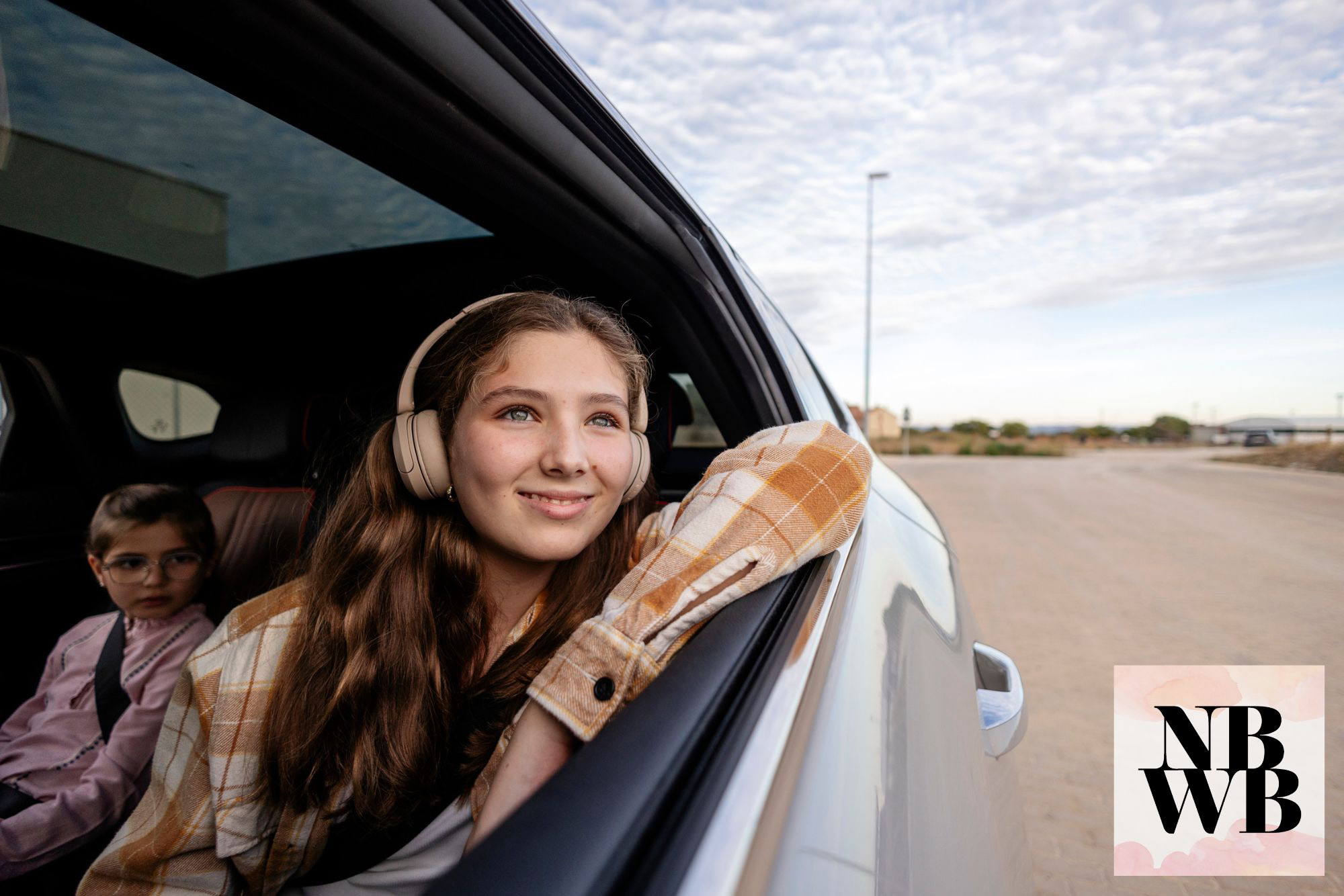
“The Passenger-Seat Walk-Through for a Teenager Learning a Familiar Route” is a collaborative post.
The journey to a Saturday job can be so familiar that a teenager describes it in three words. Left, roundabout, right. Ask the same person where the pavement narrows or when the view past the bus stop opens up and the answer may be less certain. They have been a passenger on that route for years. A parent can make one ordinary journey a useful introduction to observation without turning the drive into a running test or asking the teenager to take the wheel.
Choose a short stretch and give the passenger a job
Pick one part of the trip that can be discussed without distracting the driver. Before setting off, invite the passenger to notice where people might want to cross and which views are interrupted by parked vehicles. One question is plenty. A passenger trying to remember six questions tends to spot very little. The person driving should give the road their full attention and keep normal conversation for a suitable time afterwards.
A walk along the same street works just as well and may reveal more. From the pavement it becomes obvious why a child stepping around a wheelie bin is difficult to see from farther back. Stand in safe places, keep out of driveways and leave any photographs until you are stationary and can take them without stepping into anyone’s path. The exercise is about noticing the street as people use it, including the people who never get into a car.
Revisit one place at a different time
Think of a junction by a station or a school. On a quiet afternoon the view towards it may be clear. Around the start of the school day there may be more pedestrians or vehicles stopping nearby. Signs may restrict when a street can be used. Discuss what was visible on the day. Never treat a remembered journey or last term’s arrangements as permission to enter a road. On a future drive the signs and conditions actually present will matter.
Mitcham offers a useful example because a single outing can bring someone past residential streets, tram infrastructure and busier junctions. For a family looking at driving lessons in Mitcham, a practical question for the instructor is how to build up to these different environments. Describe where the learner feels overloaded and where they already feel comfortable. A town name alone tells the instructor much less than an account of what the passenger noticed.
Ask questions with more than one sensible answer
When you have finished the journey, ask the teenager what they could see and what they could only guess. Someone waiting by a kerb may be about to cross, waiting for a lift or simply finishing a conversation. The passenger does not need to read a stranger’s mind. Being able to say “I couldn’t tell what they would do next” is a good observation. Ask what made the uncertainty visible in the first place.
Try swapping roles in the conversation. Let the teenager ask you about one place they noticed. If you missed it, say so. Perhaps you were paying attention to a different part of the street. A conversation in which the more experienced driver sometimes says “I don’t know” gives the learner permission to express uncertainty to an instructor later. A quiz in which the adult always has a correct answer prepared tends to do the opposite.
If the teenager enjoys the idea, let them choose what to notice on another day. They might be interested in how cyclists move through the street or why a pedestrian waits at one crossing but uses another straight away. Keep their task to observation. They are not responsible for warning the driver, navigating the route or assessing another person’s driving. The adult at the wheel remains responsible for the journey and should not be waiting for the passenger’s answers.
Afterwards, try making two short lists together: what was visible and what remained uncertain. A bus was waiting at a stop; whether it was about to pull away was uncertain. The distinction is useful because it makes room for caution without inventing a story about somebody else’s intentions. There is no need to identify every possible hazard. One example discussed carefully is enough.
The conversation can be brief. Stop when either person has had enough, and keep family outings enjoyable. A teenager who knows they can decline the exercise may be more willing to suggest a question of their own on another day.
Bring one question into the next lesson
Write a short question together after the trip, then let the learner decide whether to use it. “How do I give myself time when the view beyond a bus keeps changing?” invites a discussion about observation and judgement. “What gear am I supposed to be in outside the station?” can encourage the learner to expect the same answer every time. Conditions can change between outward and return journeys, let alone between one week and the next.
Keep family observations separate from any later private driving practice. Watching from the passenger seat is accessible even to someone who has not started lessons. Taking the wheel needs an appropriate vehicle, a suitable supervisor and all the necessary permissions and cover. Ask the instructor what kind of practice makes sense for that learner and check current official requirements before arranging any. There is no need to turn a successful walk into a supervised drive that afternoon.
A simple sketch made at home can help if the teenager finds the street difficult to describe. Mark the pavement, the parked vehicle and the place where their view changed. It does not need distances or a complete route. The sketch is a prompt for explaining what they noticed, not a plan for how to drive through it.
If the teenager has no question at the end of the outing, leave it there. Interest often shows up later, when a familiar bus stop or a crossing reminds them of something the instructor said.
On the next ordinary trip, leave the exercise alone unless the teenager brings it up. The sign it has worked may arrive unprompted. They point out a delivery vehicle hiding the view this time, where last week they remembered only the turn. That small change is useful material for a real lesson and costs the family no more than a conversation on the way home.





Comments are closed.