
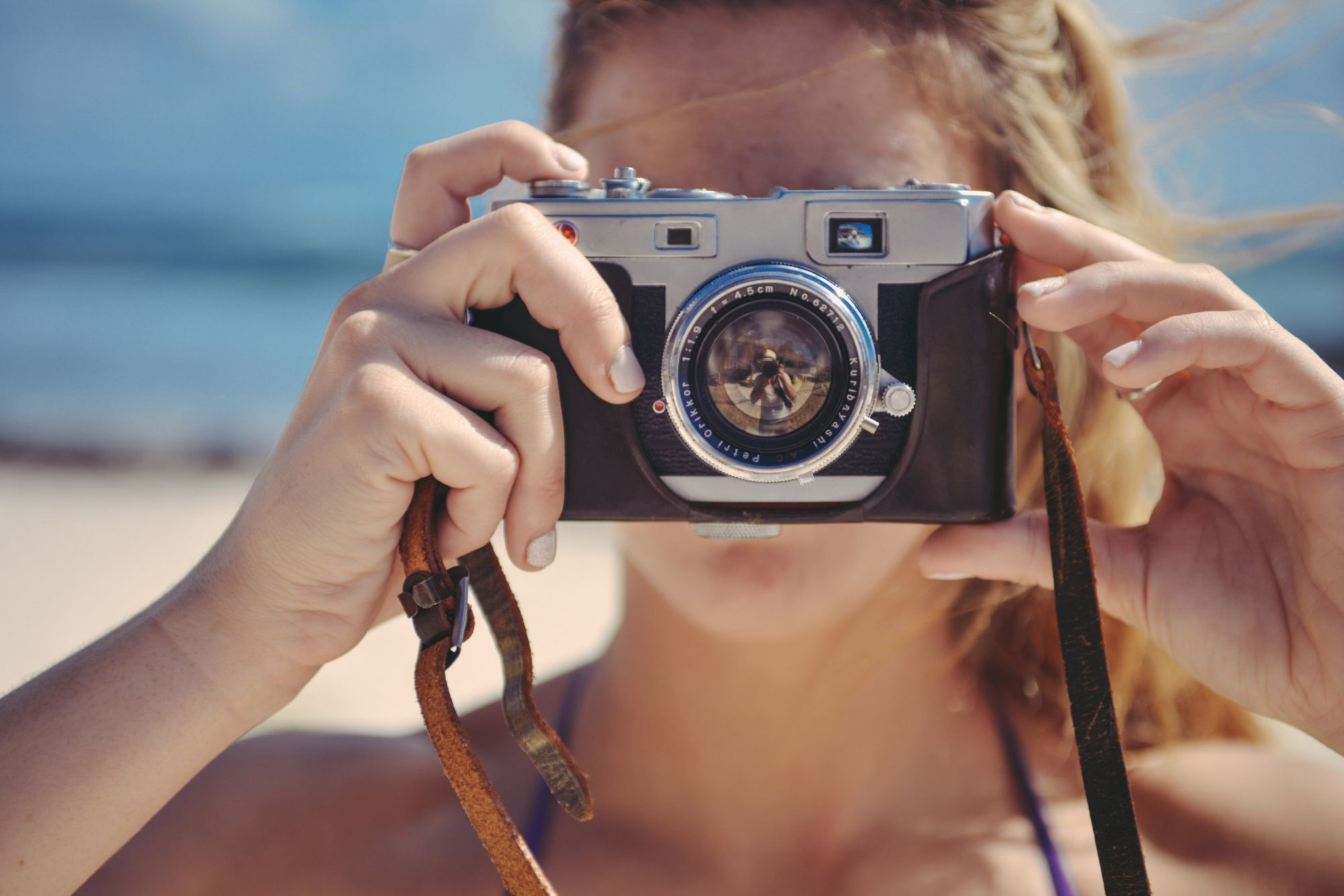
Analog hobbies offer families something increasingly rare: an activity that does not depend on notifications, subscriptions, or constant screen time. Photography, sewing, woodworking, painting, gardening, and playing an instrument can develop practical skills while creating opportunities for parents and children to spend focused time together. Still, starting a hobby can become expensive quickly. A thoughtful approach can help families invest in equipment they will actually use.
Start With the Activity, Not the Equipment
It is easy to assume better equipment will make a new hobby more enjoyable. In reality, beginners often need far less than hobby communities and product catalogs suggest.
Start with the minimum equipment needed to practice the skill. Someone learning to sew may need a reliable basic machine, fabric scissors, thread, and a few simple supplies. A beginner photographer can learn exposure and composition with one camera body and a single lens.
Renting or borrowing equipment can also be useful before making a major purchase. A few weekends with a particular tool may reveal whether the hobby fits naturally into family life.
Know Where Used Equipment Makes Sense
Many analog hobbies have active secondhand markets. Cameras, musical instruments, woodworking tools, and sewing machines can remain useful for years when maintained properly.
Parents interested in photography, for example, may find used cameras for sale that provide the controls needed to learn without paying for the newest model. Condition matters more than age alone. Check moving parts, signs of damage, included accessories, and whether replacement components are still readily available.
Some purchases deserve greater caution. Safety equipment and heavily worn items should be evaluated differently from a used tripod or guitar stand.
Consider the Cost of Continuing
The initial purchase rarely represents the full cost of a hobby. Film photography requires film and processing. Painting consumes paper, canvas, and supplies. Gardening brings recurring costs for soil, seeds, and plant care.
Before investing, estimate what six months of regular participation might cost. Storage deserves consideration too. A hobby that requires a permanent workbench or several large pieces of equipment may be difficult to maintain in a smaller home.
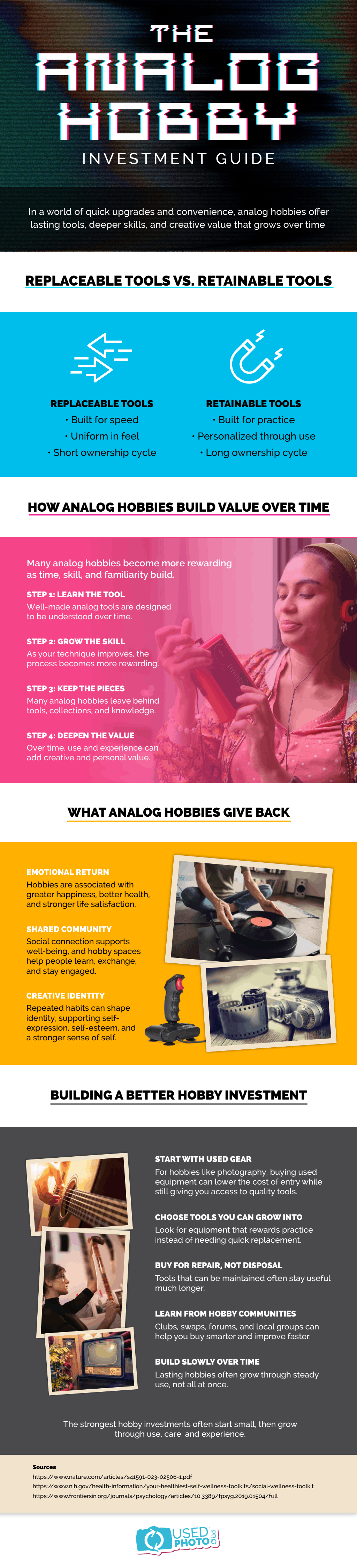
Analog hobbies can become worthwhile family investments when the spending follows genuine interest. Start simply, buy used where condition allows, and leave room for equipment upgrades after skills develop. Look over the infographic below for more information.





Comments are closed.